
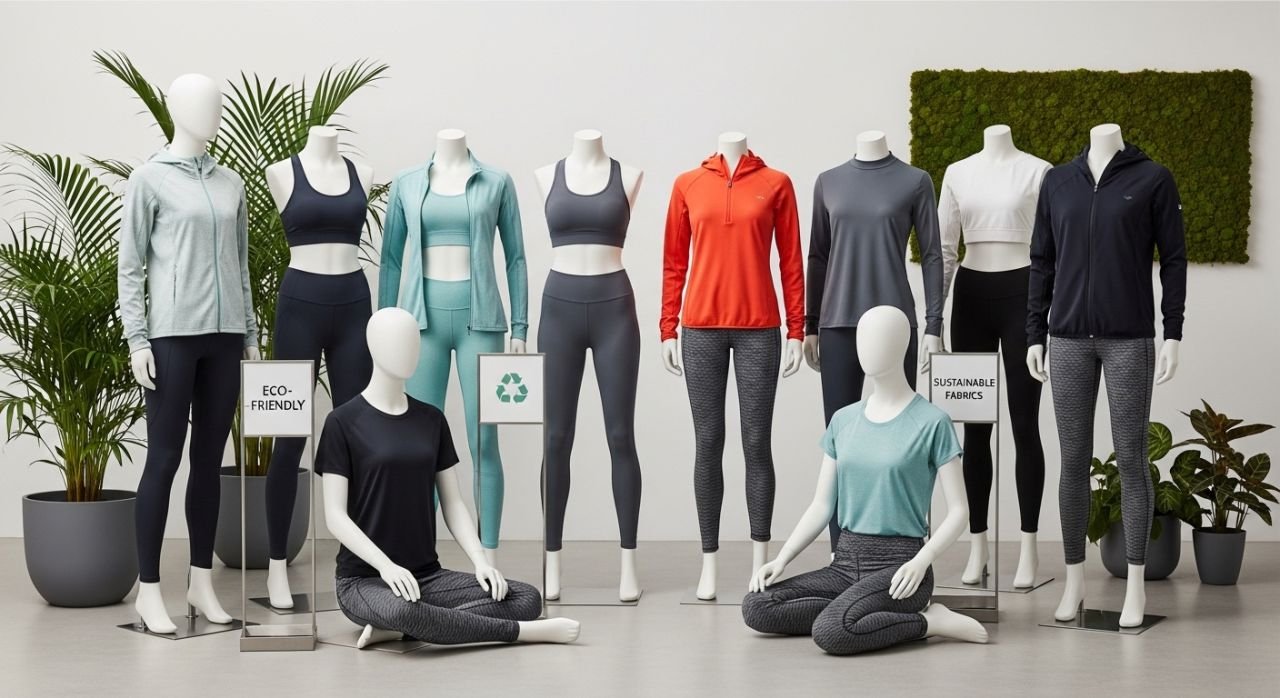
The sportswear industry is changing fast. Today, people want more than style and performance. They want environmentally friendly products. Because of this shift, sustainable fabrics in sportswear are no longer a trend—they are becoming a standard. Consumers, retailers, and global brands are now actively seeking eco-friendly sportswear fabrics that reduce waste and protect natural resources. As a result, manufacturers and B2B buyers must adapt quickly to stay relevant in a competitive market.
For sportswear businesses, sustainability is not just about doing good. It is also about doing smart business. Using sustainable sportswear materials helps brands stand out, build trust, and win long-term customers. In addition, many international buyers now prefer partners that follow ethical sportswear production and sustainable textile manufacturing practices. This means choosing the right fabrics can directly impact brand reputation, market reach, and future growth.
However, selecting eco-friendly options is not always easy. Buyers often ask questions like: Which fabrics are truly sustainable? Do recycled fabrics for sportswear perform well? Are costs higher? And how do certifications matter? That is where this guide comes in.
In this blog, you will learn what sustainable fabrics really are and why they matter in modern sportswear manufacturing. You will also explore popular eco-friendly sportswear fabrics, their benefits, and their performance features. Most importantly, this guide will help B2B buyers make confident, informed decisions when sourcing materials from a trusted sportswear manufacturer.
So, if you want to future-proof your sportswear brand while caring for the planet, you are in the right place. Let’s break it down, step by step, simply and clearly.
What Are Sustainable Fabrics in Sportswear Manufacturing?
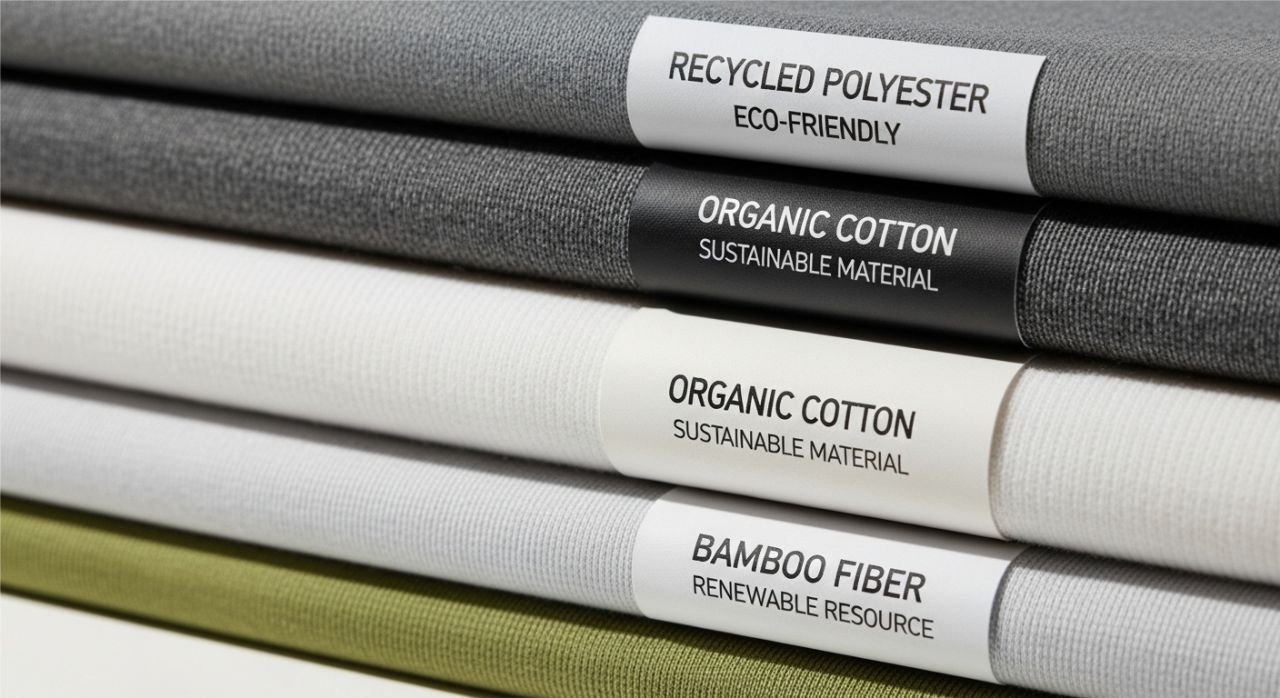
Sustainable fabrics in sportswear are materials made with care for people and the planet. Simply put, they help reduce harm to nature while still offering comfort and performance. These sustainable sportswear materials use fewer natural resources like water and energy. They also create less waste and pollution. Because of this, they are becoming a smart choice for modern sportswear brands.
Traditional fabrics often rely on heavy chemicals and high water use. They may work well, but they can damage the environment over time. In contrast, eco-friendly sportswear fabrics are designed to be safer. They often use recycled fibers, organic materials, or low-impact processes. As a result, they support cleaner production and healthier supply chains. This clear difference matters to buyers who care about quality and responsibility.
Ethical and sustainable textile manufacturing plays a big role here. It focuses on fair labor, safe working conditions, and honest sourcing. It also ensures transparency at every stage of production. When buyers choose ethical partners, they support long-term growth and trust. This is why sustainability is not just a fabric choice. It is a business choice.
Key Characteristics of Sustainable Sportswear Fabrics
First, sustainable fabrics have a low environmental impact. They reduce carbon footprint, save water, and cut waste. For example, recycled fabrics for sportswear turn old materials into new performance wear. This helps protect the planet.
Second, they follow responsible sourcing and production. This means raw materials come from trusted suppliers. It also means factories use cleaner methods and follow global standards. Buyers benefit from safer and more reliable production.
Finally, sustainable fabrics offer durability and performance suitability. They stretch well. They breathe easily. And they last longer. Many environmentally friendly sportswear fabrics now match or even beat traditional fabrics in strength and comfort.
In short, sustainable fabrics balance performance, ethics, and care for the environment. For B2B buyers, this balance creates value today and security for the future.
Most Common Sustainable Fabrics Used in Sportswear
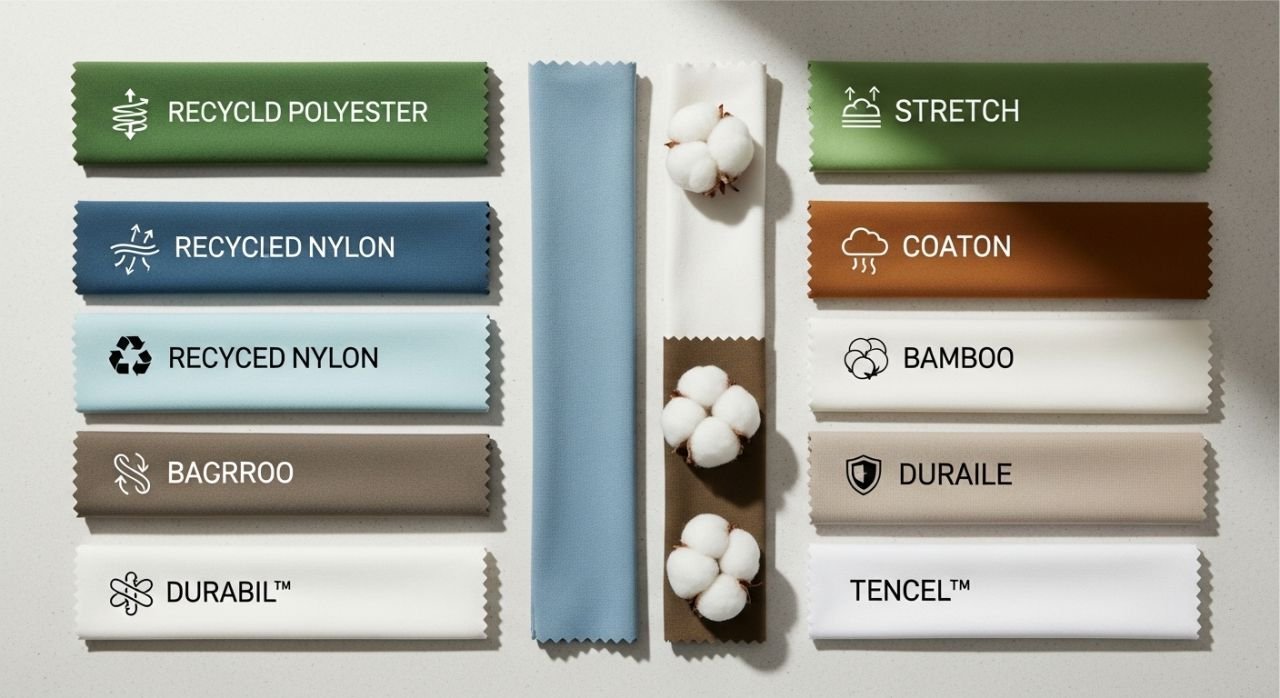
When buyers explore sustainable fabrics in sportswear, they often ask one simple question. Which fabrics work best? Today, many eco-friendly sportswear fabrics offer comfort, strength, and care for the planet. These materials help brands lower waste and build trust. At the same time, they meet modern performance needs. Let’s look at the most common and trusted options used in sportswear manufacturing.
Recycled Polyester and Recycled Nylon
Recycled polyester and recycled nylon are among the most popular sustainable sportswear materials. They are made from post-consumer waste like plastic bottles and old fishing nets. Instead of going to landfills, these materials get a new life. This process saves energy and reduces pollution.
Even better, these fabrics perform very well. They are strong and lightweight. They dry fast. They stretch easily. Because of this, they are perfect for activewear, gym wear, and team sports. Many brands use recycled fabrics for sportswear to create high-performance clothing with a lower environmental impact. So, buyers get durability without harming nature.
Organic Cotton and Natural Fibers
Next comes organic cotton and other natural fibers. These fabrics grow without harmful chemicals. Farmers do not use toxic pesticides or synthetic fertilizers. Because of this, organic cotton is safer for soil, water, and people.
Organic cotton feels soft on the skin. It allows air to flow easily. This makes it great for training wear, casual sportswear, and lifestyle clothing. Other natural fibers, like hemp and linen, also support sustainable textile manufacturing. They grow fast and need less water. As a result, they help brands reduce their environmental footprint while offering comfort and breathability.
Innovative and Low-Impact Fabric Options
Innovation plays a big role in modern sportswear. Many brands now use low-impact fabrics like bamboo and TENCEL™. These materials come from natural sources such as wood pulp. They are processed in cleaner and safer ways.
Bamboo fabric feels smooth and cool. It also resists odors. TENCEL™ is strong, soft, and breathable. Both options use less water and energy during production. This makes them excellent choices for eco-conscious sportswear manufacturing. Buyers who choose these fabrics support innovation and sustainability at the same time.
Other sustainable alternatives continue to grow. Some use plant-based fibers. Others blend recycled and natural materials. All aim to reduce waste and save resources.
Why These Fabrics Matter for Buyers
In short, environmentally friendly sportswear fabrics offer real value. They reduce environmental impact. They meet performance needs. And they support ethical production. For B2B buyers, these fabrics help build strong, future-ready sportswear brands.
By choosing the right materials, buyers can deliver quality products and care for the planet. That is the true power of sustainable fabrics in sportswear manufacturing.
Benefits of Using Sustainable Fabrics in Sportswear Production
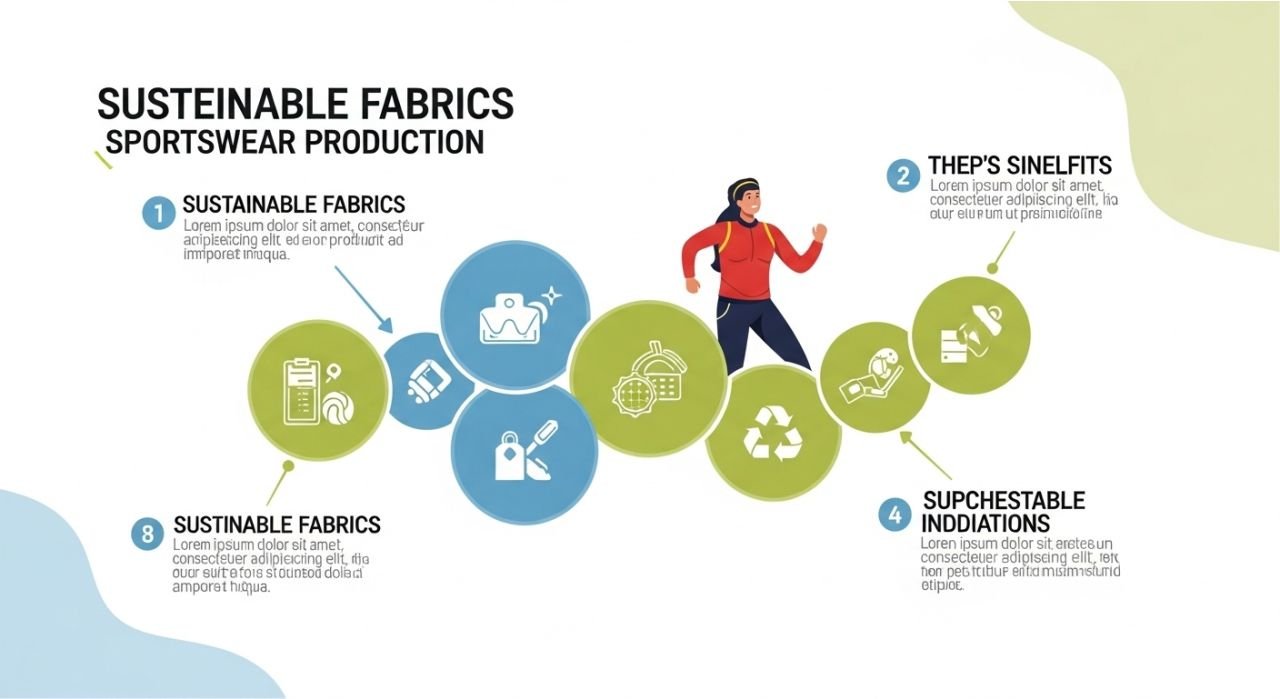
Using sustainable fabrics in sportswear brings many strong benefits. These benefits help the planet, the brand, and the buyer. Today, more companies choose eco-friendly sportswear fabrics because they create real value. They are not just good ideas. They are smart business choices.
First, sustainable fabrics offer environmental benefits for the planet. They use less water and energy. They create less waste. Many sustainable sportswear materials also use recycled fibers. This helps cut pollution and protect natural resources. When brands choose these fabrics, they help lower their carbon footprint. This small step creates a big impact over time.
Next, sustainable fabrics build brand value and customer trust. People like honest brands. They trust companies that care about nature and people. When a brand uses environmentally friendly sportswear fabrics, it sends a clear message. It shows responsibility. It shows quality. As a result, customers feel proud to buy and wear the product. This trust helps brands grow faster in local and global markets.
Another key benefit is long-term cost efficiency and durability. At first, some sustainable fabrics may seem costly. However, they last longer. They keep their shape. They perform well after many washes. Because of this, brands save money in the long run. Recycled fabrics for sportswear and low-impact materials also reduce waste and returns. This improves overall business efficiency.
Why B2B Buyers Prefer Sustainable Sportswear Manufacturing
B2B buyers choose sustainability for clear reasons. One major reason is easier compliance with global regulations. Many countries now require ethical and sustainable textile manufacturing. Buyers who follow these rules avoid risks and delays.
Another reason is a stronger appeal in international markets. Global retailers and brands prefer partners who use sustainable practices. Eco-conscious sportswear manufacturing opens doors to new opportunities and long-term contracts.
In short, sustainable fabrics help buyers stay competitive, responsible, and future-ready. They protect the planet while supporting strong business growth.
Performance vs Sustainability: Do Eco-Friendly Fabrics Deliver?
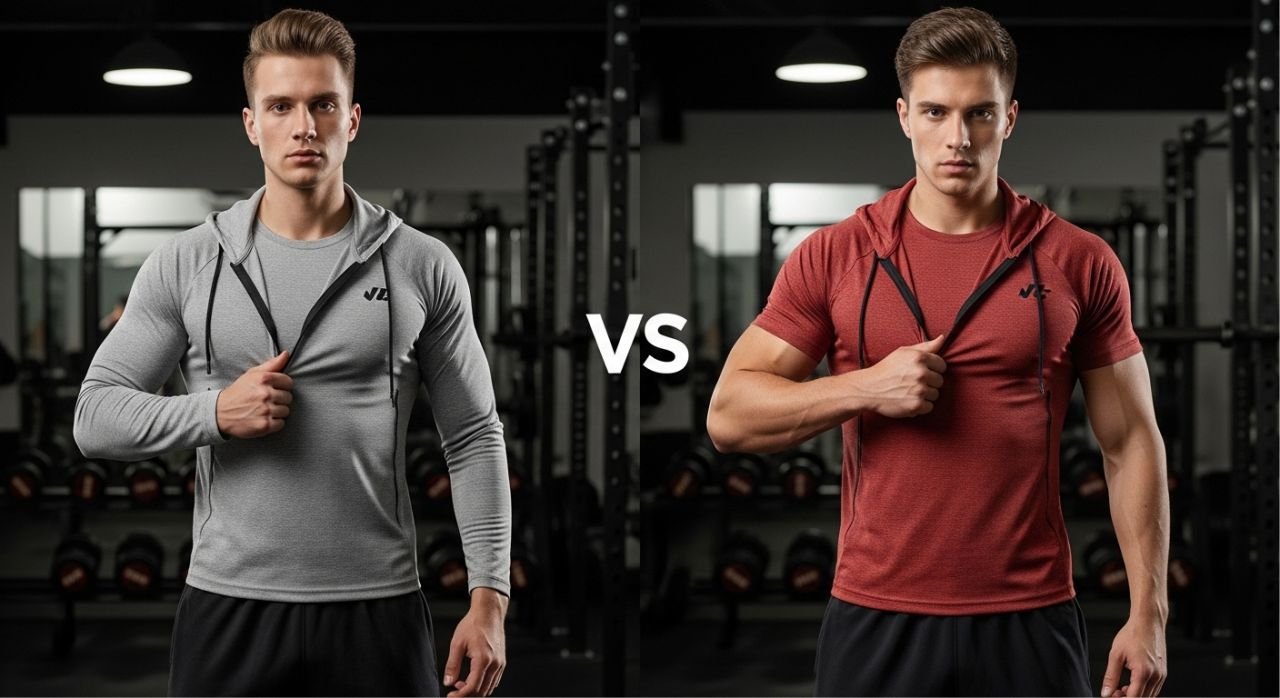
Many buyers ask the same question. Can sustainable fabrics in sportswear perform as well as traditional ones? This concern is fair. Sportswear must stretch, breathe, and last long. The good news is simple. Eco-friendly sportswear fabrics now meet these needs very well.
In the past, people thought sustainable fabrics were weak. That idea is no longer true. Today, modern sustainable textiles use smart technology. They offer strong moisture-wicking features. This means sweat moves away from the skin fast. Athletes stay dry and comfortable. Recycled polyester and advanced blends work just like regular performance fabrics.
Stretch is also important. Sportswear must move with the body. Many sustainable sportswear materials include flexible fibers. They stretch easily. They return to shape. This makes them perfect for training, running, and team sports. Buyers no longer need to choose between comfort and care for the planet.
Durability is another key concern. Brands want fabrics that last. Recycled fabrics for sportswear are strong and tough. They resist wear and tear. They hold color well. Even after many washes, they stay in good shape. This helps reduce waste and improve product value.
Most importantly, environmentally friendly sportswear fabrics now meet global performance standards. They pass tests for strength, breathability, and comfort. Many also follow sustainable textile manufacturing rules. This ensures quality and safety for buyers.
In short, sustainability does not reduce performance. It improves it. With the right materials and partners, buyers get sportswear that performs well and protects the planet. That is a win for everyone.
How to Choose the Right Sustainable Fabrics for Your Sportswear Brand
Choosing the right materials is a big step for any brand. When buyers select sustainable fabrics in sportswear, they must think smart and plan. The right fabric helps the product perform well and stay eco-friendly. It also builds trust and long-term value. So, before making a choice, buyers should review a few key factors.
First, always think about purpose. Not all eco-friendly sportswear fabrics work the same way. Some stretch more. Others feel softer. Some last longer in tough conditions. Because of this, understanding your product goal is very important.
End-Use and Sportswear Category
Start by looking at where and how the product will be used. Fitness wear needs light and breathable fabrics. These fabrics should dry fast and stretch well. Team sports clothing needs strength and durability. It must handle rough use and frequent washing.
Next comes athleisure. These products focus on comfort and style. Soft, sustainable sportswear materials like organic cotton blends work best here. For outdoor gear, durability matters most. Fabrics must resist wind, water, and wear. Choosing the right material for each category improves performance and customer satisfaction.
Certifications and Fabric Standards to Look For
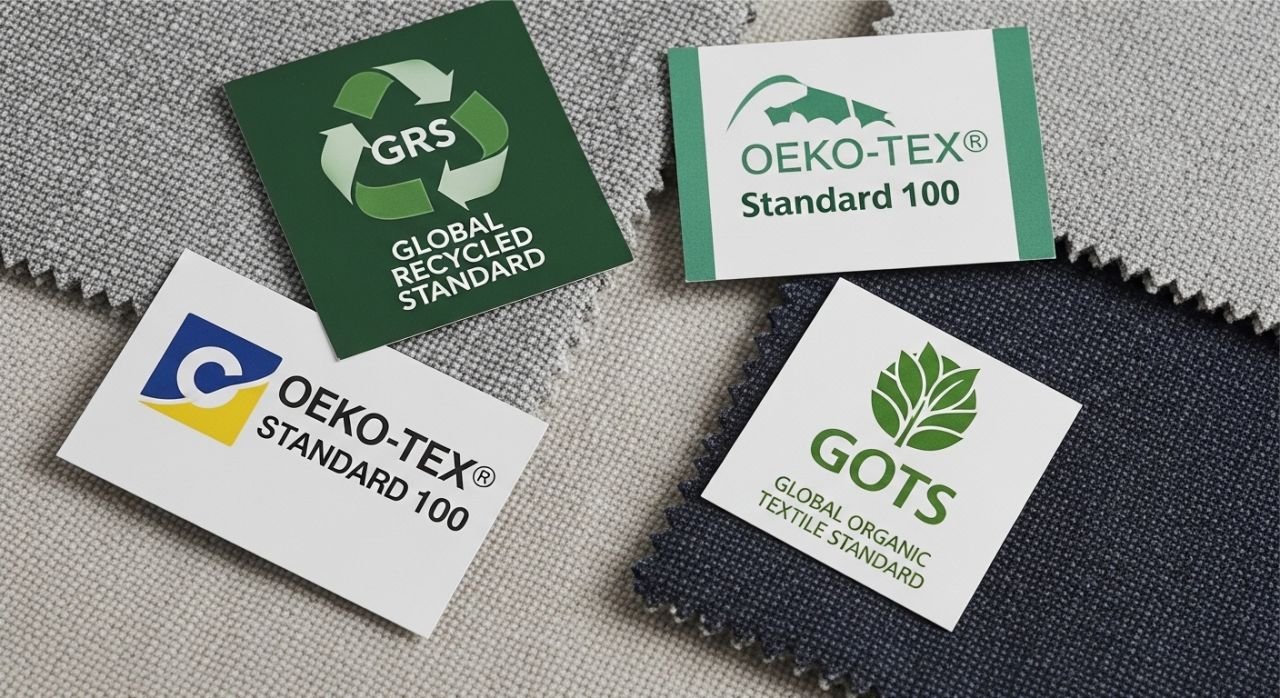
Certifications help buyers trust what they buy. They show that fabrics meet global safety and sustainability rules. One key standard is GRS (Global Recycled Standard). It confirms the use of recycled materials.
Another important label is OEKO-TEX®. It ensures fabrics are free from harmful substances. GOTS (Global Organic Textile Standard) focuses on organic fibers and ethical production. These standards support sustainable textile manufacturing and protect buyers from risk.
Always ask suppliers for certification proof. This simple step adds safety and credibility to your brand.
Supplier Transparency and Traceability
Even the best fabric fails without the right supplier. That is why supplier transparency matters. Buyers should know where materials come from. They should also understand how fabrics are made.
Ethical partners follow fair labor rules. They use clean production methods. They share clear information. Working with trusted manufacturers supports eco-conscious sportswear manufacturing and long-term success.
Traceability also helps brands meet global regulations. It builds trust with international buyers and retailers.
Final Thoughts for Buyers
In the end, choosing environmentally friendly sportswear fabrics is about balance. Balance performance with responsibility. Balance cost with quality. And balance trends with long-term goals.
When buyers choose wisely, they create sportswear that performs well and respects the planet. That is how strong, future-ready brands are built.
Sustainable Sportswear Manufacturing Challenges Buyers Should Know

While sustainable fabrics in sportswear offer many benefits, buyers must also understand the challenges. Eco-friendly materials and ethical production are valuable, but they come with specific considerations that affect cost, timing, and sourcing. Knowing these factors helps B2B buyers plan smarter and avoid surprises.
One key challenge is cost considerations and pricing expectations. Sustainable fabrics, like recycled polyester or organic cotton, often cost more than conventional materials. This is because production uses cleaner methods and higher-quality inputs. Buyers should budget for slightly higher costs while remembering that these materials offer durability, performance, and long-term value. Investing in sustainable sportswear materials pays off over time.
Another challenge is minimum order quantities (MOQs). Many eco-conscious sportswear manufacturers require buyers to order a set number of pieces. Smaller orders may not be feasible, especially when sourcing recycled or low-impact fabrics. Planning helps buyers meet MOQs while managing inventory and budgets effectively.
Lead times and sourcing limitations are also important. Sustainable fabrics sometimes take longer to produce or ship due to limited suppliers and production schedules. Recycled materials or organic fibers may not always be available on short notice. Understanding these limitations allows buyers to set realistic timelines and avoid delays in product launches.
In short, while sustainable sportswear manufacturing offers environmental and brand benefits, buyers must consider costs, MOQs, and lead times carefully. Working with experienced suppliers who understand eco-conscious sportswear manufacturing can help navigate these challenges smoothly, ensuring high-quality, ethical, and timely production.
Why Partnering with a Sustainable Sportswear Manufacturer Matters
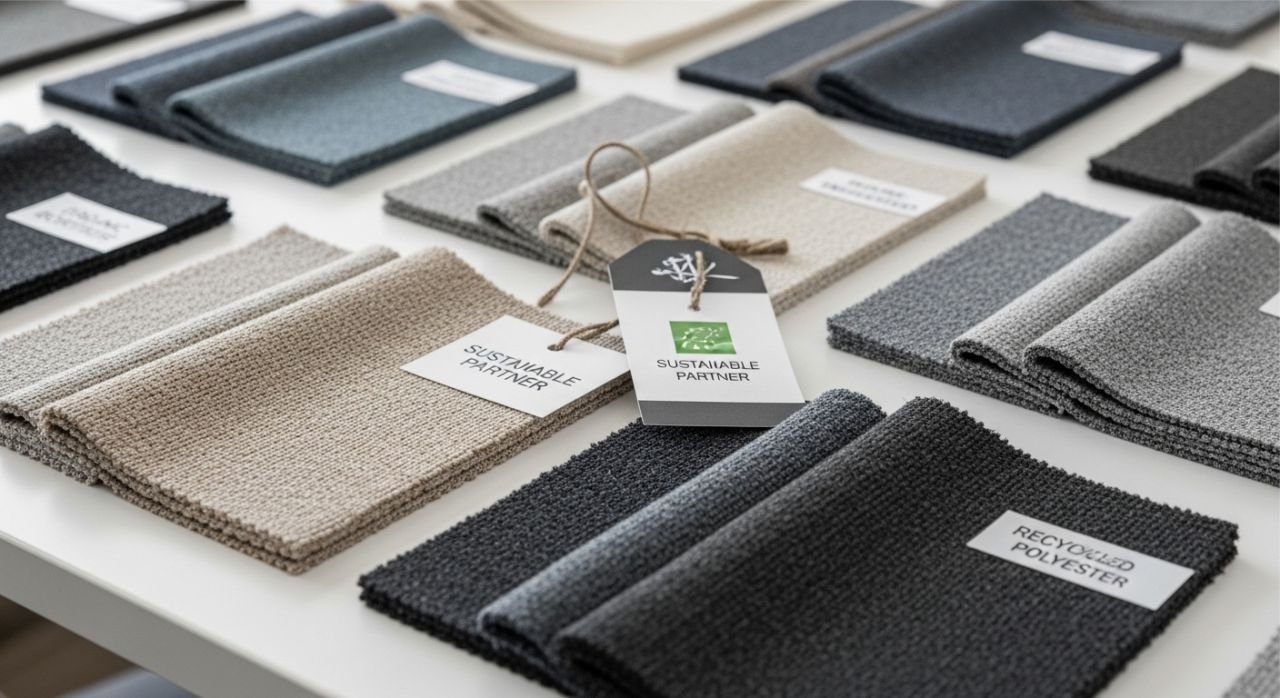
Choosing the right partner is just as important as choosing the right fabric. Sustainable fabrics in sportswear shine only when paired with a manufacturer who can deliver quality, consistency, and ethical production. For B2B buyers, this partnership is key to building a strong, future-ready brand.
First, a reliable manufacturer ensures quality control and consistent production. They follow strict standards for eco-friendly fabrics, such as recycled polyester, organic cotton, and low-impact blends. This means every batch meets performance and sustainability expectations. Buyers get sportswear that looks, feels, and performs just as promised, helping maintain brand reputation.
Next, working with an experienced partner opens doors for customization and private-label opportunities. Manufacturers can create unique designs, logos, and product variations while using eco-conscious sportswear materials. This flexibility allows brands to stand out in a crowded market and appeal to niche customers who care about sustainability.
Finally, long-term partnerships provide reliability for growing brands. Sustainable sportswear often involves careful sourcing, production planning, and quality checks. Experienced manufacturers handle these processes efficiently, ensuring products are delivered on time and in perfect condition. This reliability builds trust with buyers, retailers, and end consumers.
In short, partnering with a trusted sustainable sportswear manufacturer is essential. It guarantees consistent quality, supports customization, and strengthens long-term growth. For B2B buyers looking to combine performance, ethics, and brand value, the right manufacturer transforms sustainable fabrics into successful products. Choosing wisely is the first step toward creating high-quality, eco-friendly sportswear that performs and inspires.
Building a Smarter and Greener Future in Sportswear
Choosing the right materials matters more than ever. As we explored in this guide, sustainable fabrics in sportswear help buyers protect the planet while building strong, trusted brands. We covered what eco-friendly sportswear fabrics are, why they matter, and how they support both performance and responsibility. We also looked at popular sustainable sportswear materials, smart sourcing tips, and the value of working with ethical partners. Together, these points help buyers make better, safer decisions.
Sustainability is not a short-term idea. It is a long-term plan. Brands that invest in sustainable textile manufacturing today stay strong tomorrow. They meet global standards. They win buyer trust. And they grow faster in competitive markets. Even better, recycled fabrics for sportswear and low-impact materials now offer comfort, strength, and style. This proves that sustainability and performance can work together.
However, success depends on the right manufacturing partner. Experienced suppliers understand quality, compliance, and consistency. They know how to turn eco-conscious sportswear manufacturing into real results. That is why choosing the right team is just as important as choosing the right fabric.
If you are ready to move forward, now is the time to act. Work with manufacturers who truly understand sustainable production. Build collections that respect people, performance, and the planet.
At Rompvela International, we help B2B buyers create high-quality sportswear using environmentally friendly sportswear fabrics. Our team focuses on reliability, customization, and ethical production. Let’s build something better together.
👉 Contact Rompvela International today and start your journey toward smarter, greener sportswear manufacturing.