
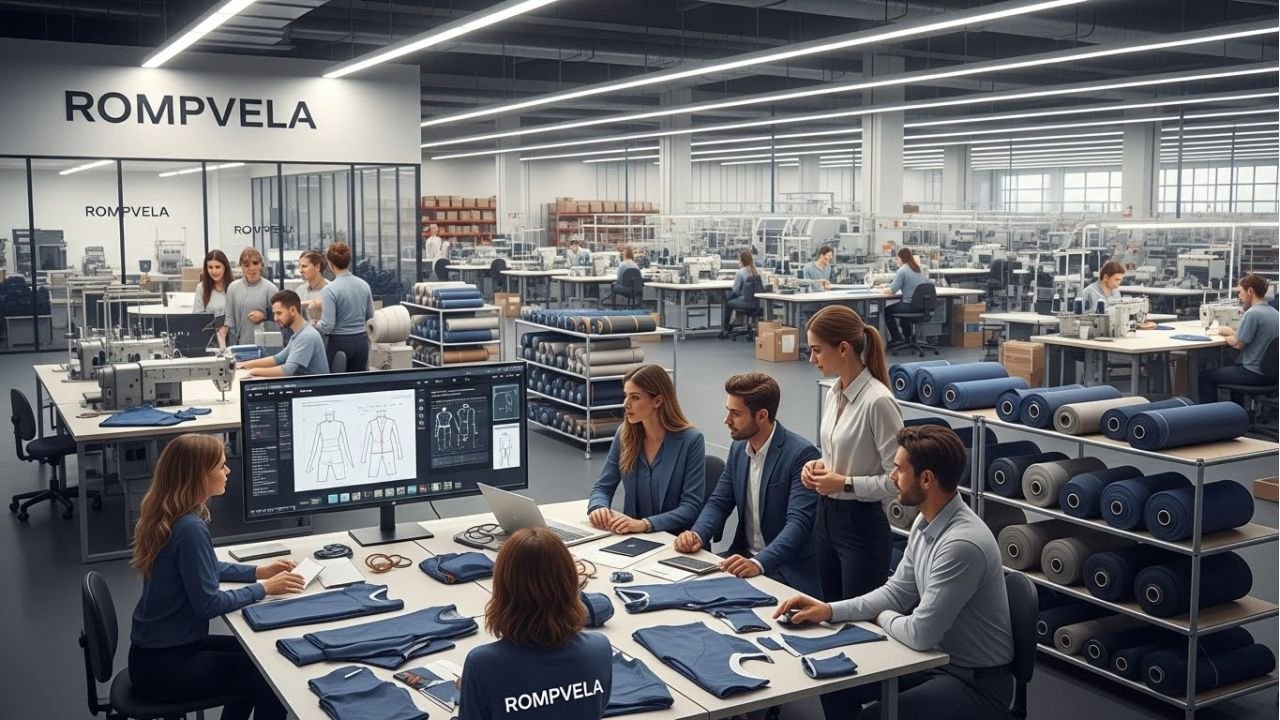
Concept Development – Where the Sportswear Manufacturing Process Begins
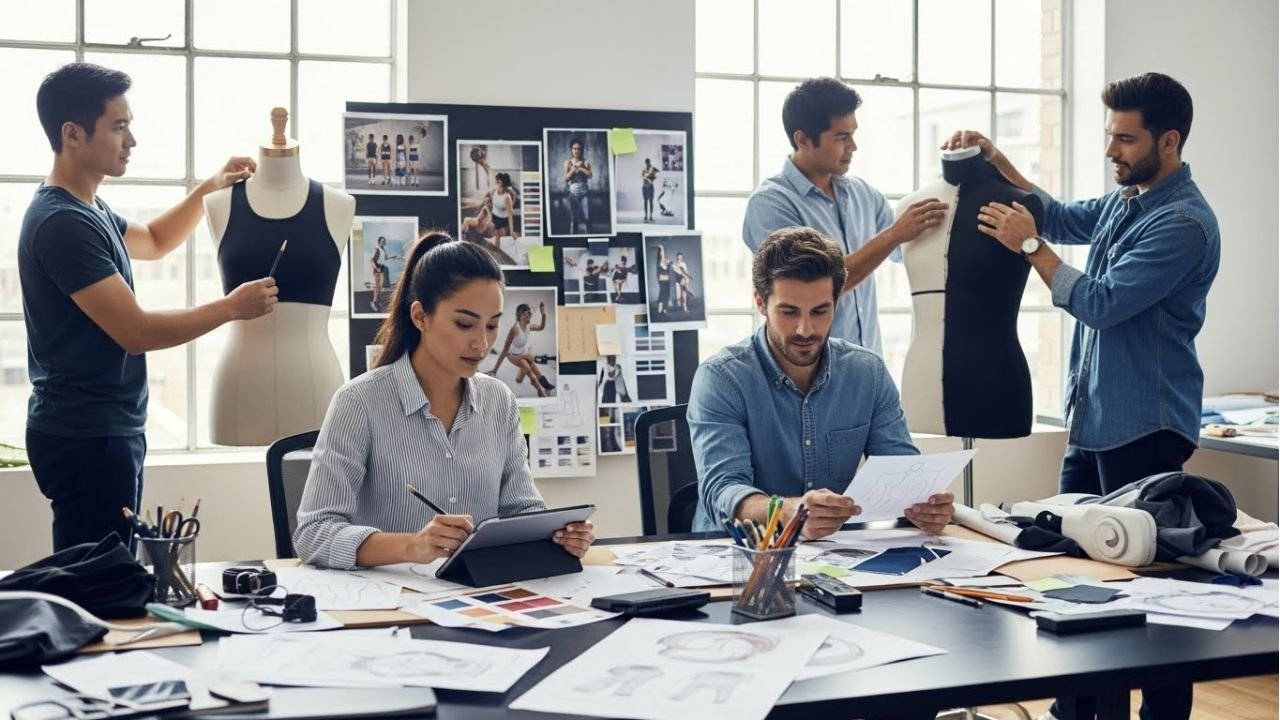
The sportswear manufacturing process begins with one powerful step: concept development. This is where ideas turn into real plans. Every great product starts with a clear vision. In custom sportswear manufacturing, brands share their ideas, colors, and goals. Then, manufacturers help shape those ideas into wearable designs.
First, the team listens carefully. They understand what the client wants. This includes the design style, how the sportswear will be used, and who will wear it. For example, gym wear needs stretch. Team jerseys need strength. Private label sportswear also needs a unique look that matches the brand. Because of this, clear communication is very important.
Next comes the planning stage. Designers use tech packs, reference samples, and clear size charts. These tools act like a map. They show stitching details, fabric types, and logo placement. Without them, mistakes can happen. With them, the process stays smooth and simple.
After that, design validation and feasibility checks take place. This step ensures the design can be made in a real factory. The team checks if the fabric fits the design. They review costs. They test performance needs like comfort and durability. If something does not work, changes are made early. This saves time and money later.
In short, concept development sets the foundation. It guides the entire sportswear manufacturing process. When ideas are clear and plans are strong, production becomes faster, better, and more reliable. This step turns imagination into sportswear that truly performs.
Fabric & Material Sourcing in the Sportswear Manufacturing Process
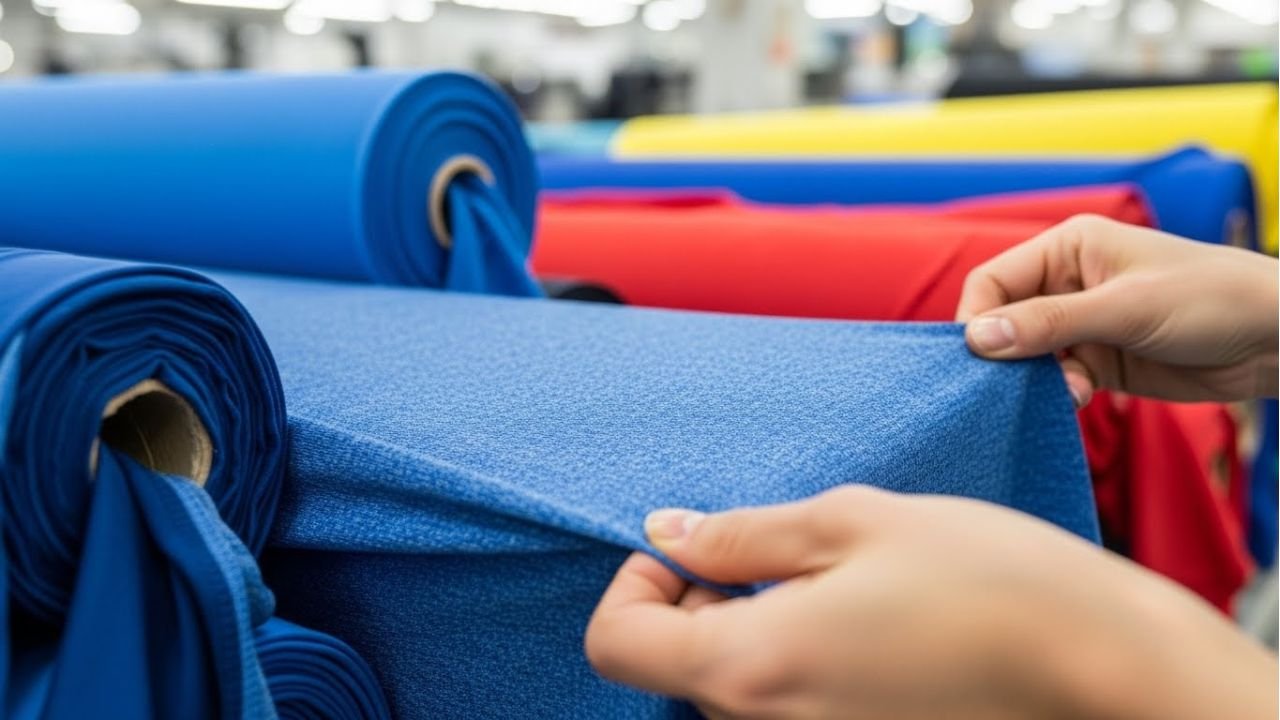
Fabric choice plays a big role in the sportswear manufacturing process. Once the design is ready, the next step is sportswear material sourcing. This stage decides how the final product will feel, stretch, and last. Good fabric makes sportswear comfortable. Bad fabric causes problems. So, this step needs great care.
First, manufacturers select performance fabrics. These fabrics help athletes move and stay cool. Moisture-wicking fabric pulls sweat away from the skin. Stretch fabric allows free movement. Durable fabric stays strong after many washes. In activewear manufacturing, fabric must work hard, just like the person wearing it.
Next comes quality control. Reliable factories work with trusted suppliers only. They check where the fabric comes from and how it is made. This is called supplier vetting. It helps ensure clean materials, even color, and long-lasting quality. Strong standards protect both the brand and the customer.
After sourcing, fabrics go through testing. This step is very important. Fabrics are tested for strength, stretch, and softness. They are also checked for color fading and shrinkage. For sports and fitness wear, comfort and performance must match real use. That is why testing happens before bulk production.
In the end, smart fabric choices lead to better results. The right material supports every stage of the sportswear manufacturing process. It improves comfort. It boosts performance. Most of all, it builds trust in the brand. When fabric quality is right, everything else falls into place.
Sampling Stage – Perfecting the Sportswear Before Bulk Production
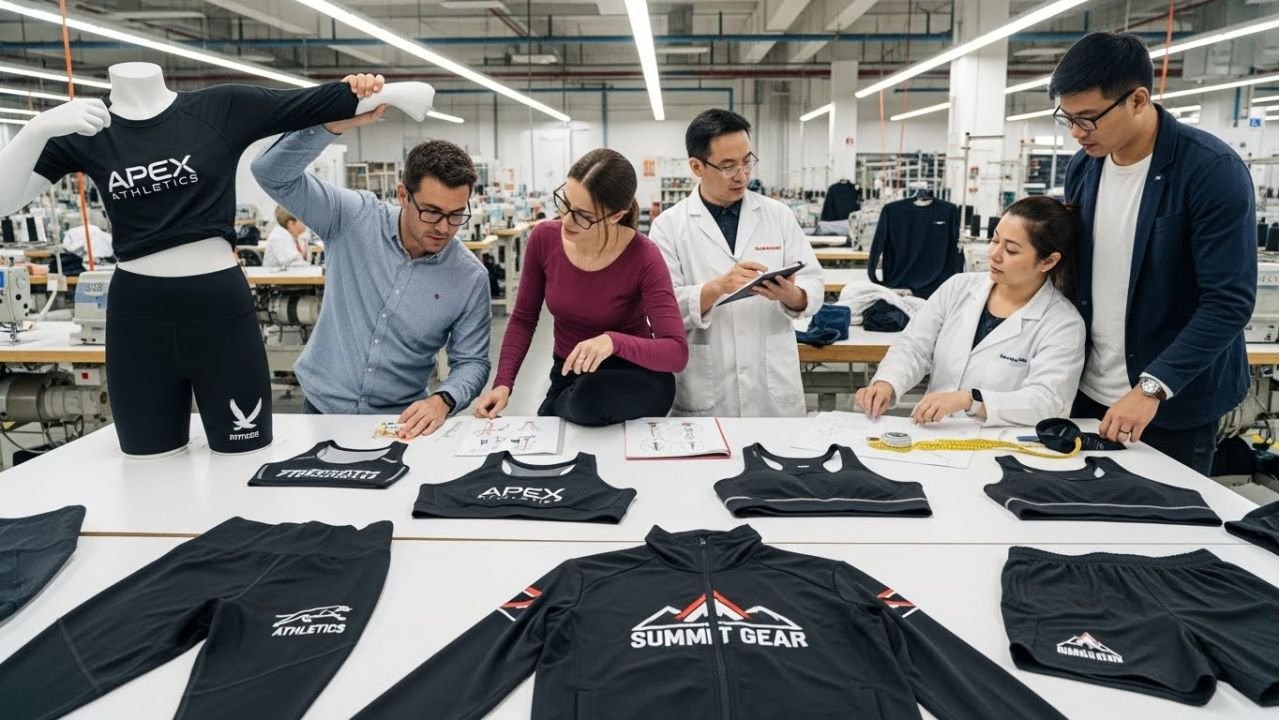
The sampling stage is a very important part of the sportswear manufacturing process. This is where ideas become real products you can touch and wear. Before making large orders, manufacturers create test pieces. This step is called the sportswear sampling process, and it helps avoid mistakes later.
First, the factory makes prototype samples. These samples follow the approved design and tech pack. They show the fabric, stitching, colors, and logos. In OEM sportswear manufacturing, samples act like a preview of the final product. They help brands see if the sportswear matches their vision.
Next comes testing. Samples are checked for fit, comfort, and performance. The sportswear is worn, stretched, and washed. This helps test how it feels during real movement. A good fit allows easy motion. Soft fabric feels nice on the skin. Strong stitching keeps the garment in shape. If something feels wrong, it is fixed early.
Then, the client reviews the sample. This step is very important. Clients share feedback. They may ask for size changes, fabric updates, or design tweaks. The factory listens and makes revisions. This back-and-forth continues until the client gives final approval.
In short, sampling builds confidence. It protects quality and saves money. It also ensures smooth bulk production. The sportswear manufacturing process works best when samples are perfect. Once approved, production moves forward with clarity, trust, and strong results.
Cutting & Stitching – Core of the Sportswear Production Process
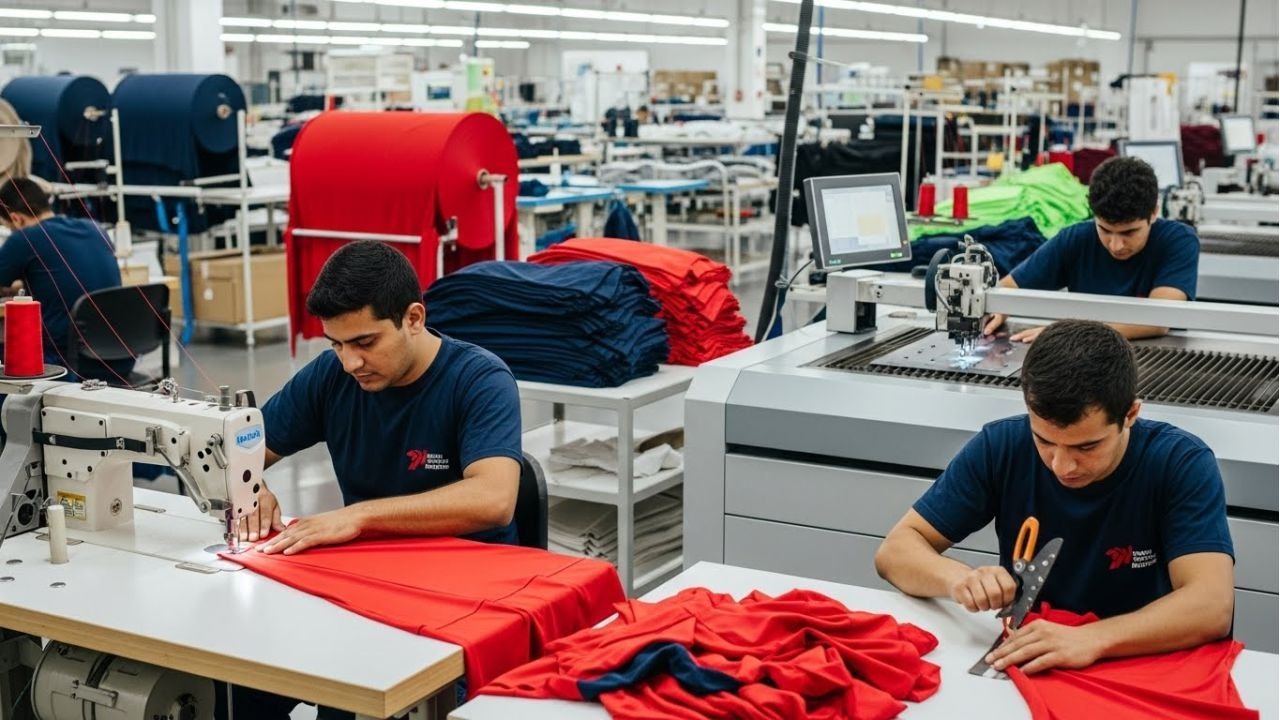
Cutting and stitching form the heart of the sportswear manufacturing process. This is the stage where flat fabric turns into real sportswear. Every cut and every stitch matters. A small mistake can change the fit or feel. That is why this step needs skill, focus, and care.
First comes pattern making. Patterns act like a puzzle map. They guide how each fabric piece should look. Next, workers cut the fabric with high accuracy. Clean and correct cutting helps all pieces match perfectly. In cut and sew sportswear, this step ensures the final garment fits well and looks neat.
After cutting, stitching begins. This is where the garment takes shape. Factories use professional stitching techniques made for sportswear. Strong seams help clothes stretch and move. Flat and smooth stitching keeps the skin safe from irritation. These details improve comfort during sports and fitness activities.
The sportswear factory process relies on trained people and modern machines. Skilled workers know how to handle performance fabrics. Advanced sewing machines create even stitches and strong seams. Together, people and technology work as a team to produce quality garments.
In the end, cutting and stitching define the product’s strength and fit. This stage supports the full sportswear manufacturing process. When done right, sportswear feels comfortable, looks professional, and lasts longer. This is where quality truly comes to life.
Quality Control – Ensuring Consistency in Sportswear Manufacturing
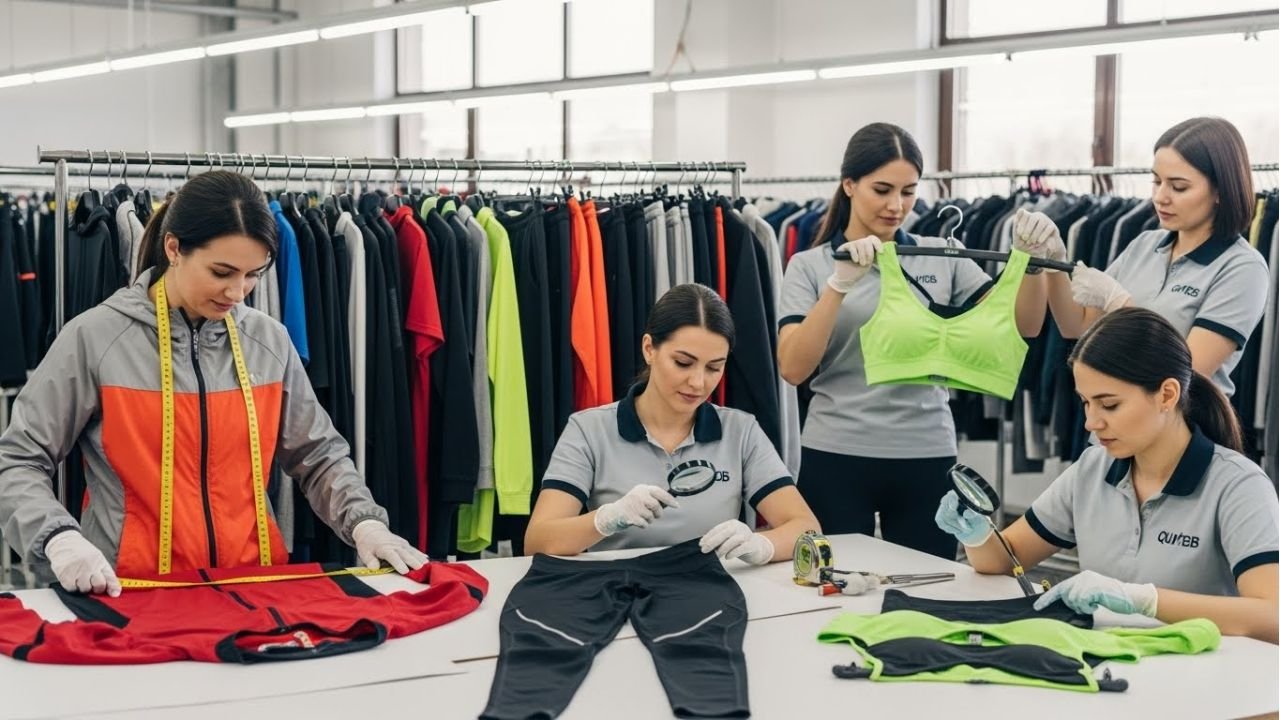
Quality control is one of the most important steps in the sportswear manufacturing process. It ensures every garment meets high standards before it reaches customers. Without careful checks, even the best designs and fabrics can turn into products that don’t fit, wear out quickly, or look unprofessional. That’s why sportswear quality control is essential for B2B buyers and brands.
The process starts with inline quality checks during production. As garments are being cut, stitched, and assembled, trained staff inspect each piece. They check seams, stitching, and fabric performance. Any issues are corrected immediately. This prevents small mistakes from turning into big problems later.
Next comes the final inspection. This is a detailed review of the finished sportswear. Inspectors check sizing accuracy, stitching strength, and overall appearance. They also test durability to make sure the sportswear can handle workouts, stretching, and washing. Fabrics are examined for color consistency and finishing details like logos and labels. Everything must meet the factory’s strict standards before shipping.
By combining inline checks and a thorough final inspection, manufacturers ensure every garment is reliable, comfortable, and high-quality. This builds trust with brands, importers, and distributors who rely on consistent results.
In short, quality control keeps the entire sportswear manufacturing process smooth and predictable. It guarantees durable, well-fitted, and professional-looking products. For any brand, this step ensures that the final sportswear not only looks great but also performs perfectly, creating happy customers and successful business partnerships.
Customization, Branding & Finishing Touches
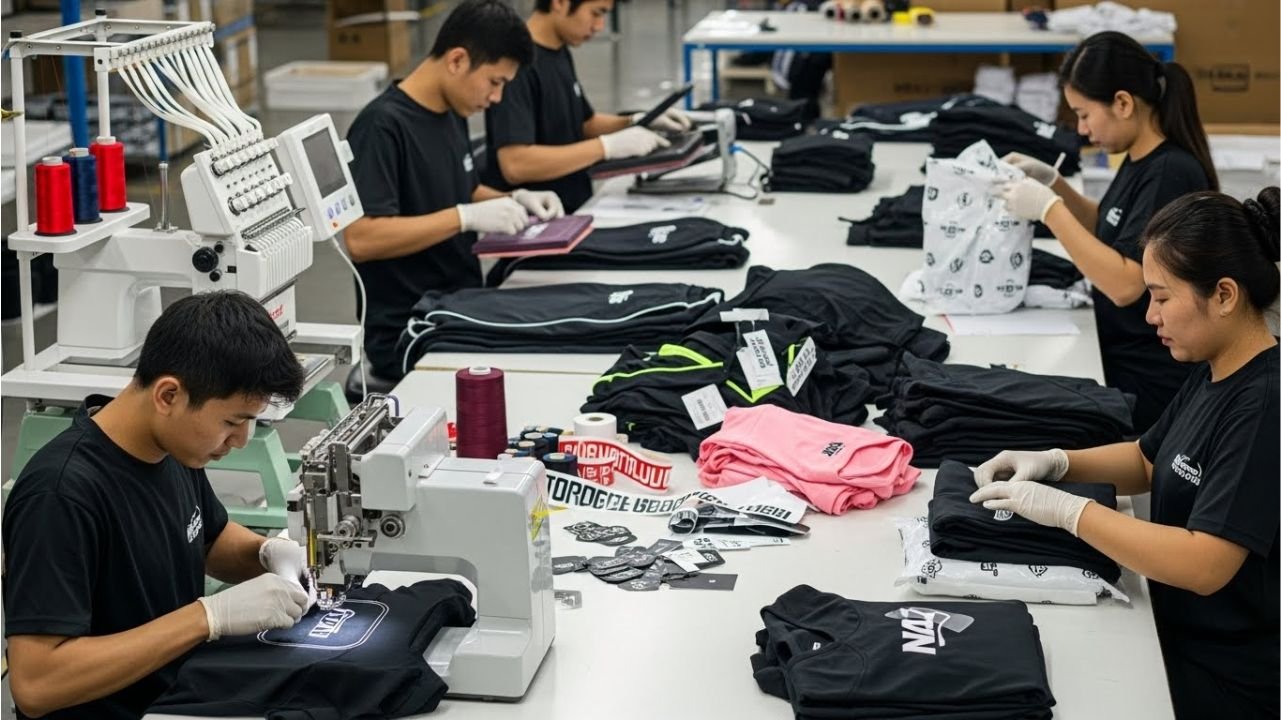
Customization, branding, and finishing touches are the exciting steps in the sportswear manufacturing process where your product truly becomes yours. This stage transforms standard sportswear into a unique brand experience. For B2B buyers and brands, these details make all the difference in custom sportswear manufacturing for brands.
Once the garment is ready, factories add logos, embroidery, labels, and packaging. Each element is carefully applied to reflect the brand’s identity. Whether it’s a team logo, a fitness brand symbol, or a private-label tag, attention to detail ensures the final product looks professional and consistent. Proper branding also helps customers instantly recognize your sportswear.
Private-label customization is another key feature. It allows brands to choose colors, design placements, and finishing touches that match their vision. For bulk orders, consistency is critical. Every piece must look identical in size, color, stitching, and branding. Factories use strict checks to maintain this uniformity across all garments.
Moreover, finishing touches include packaging that protects the product during shipping while keeping it visually appealing. A well-presented package adds value and reinforces the brand’s professionalism.
In short, customization, branding, and finishing touches make sportswear stand out in a competitive market. They ensure your garments are not only functional but also visually aligned with your brand identity. By focusing on these details, the sportswear manufacturing process creates products that perform well, look great, and build lasting trust with your customers.
Bulk Production & Order Management for B2B Clients
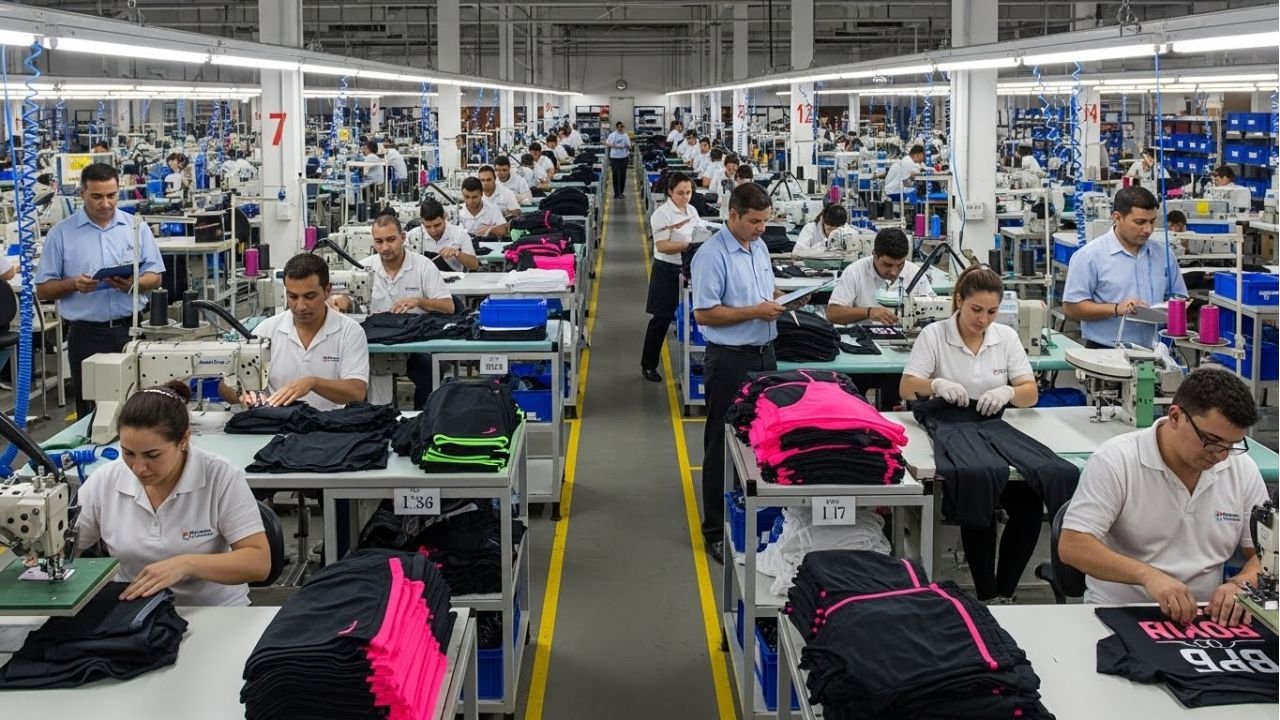
Bulk production and order management are the stages where the sportswear manufacturing process scales up from a few samples to full-scale production. For B2B clients, this step is crucial because it ensures that large orders are delivered on time, without compromising quality.
In sportswear bulk production, managing large quantities efficiently requires careful planning. Factories schedule production lines, allocate skilled workers, and monitor machines to keep everything running smoothly. Every piece of sportswear must meet the same high standards as the approved samples. Consistency is key to building trust with international clients.
Next, production timelines and order tracking play a big role. Brands need to know exactly when their products will be ready. Factories provide detailed schedules and updates at each stage. This transparency allows B2B clients to plan shipping, marketing, and sales strategies confidently.
Clear communication with international B2B clients is also essential. Factories stay in constant touch to answer questions, provide updates, and address any concerns. This ensures a smooth workflow and avoids delays.
In short, bulk production and order management combine precision, planning, and communication to make the sportswear manufacturing process reliable and predictable. By carefully managing every order, manufacturers ensure that garments are delivered on time, in perfect condition, and exactly as requested. This step strengthens relationships with clients, supports brand reputation, and guarantees that each piece of custom or private-label sportswear performs and looks as intended.
Packing, Documentation & Sportswear Export Process
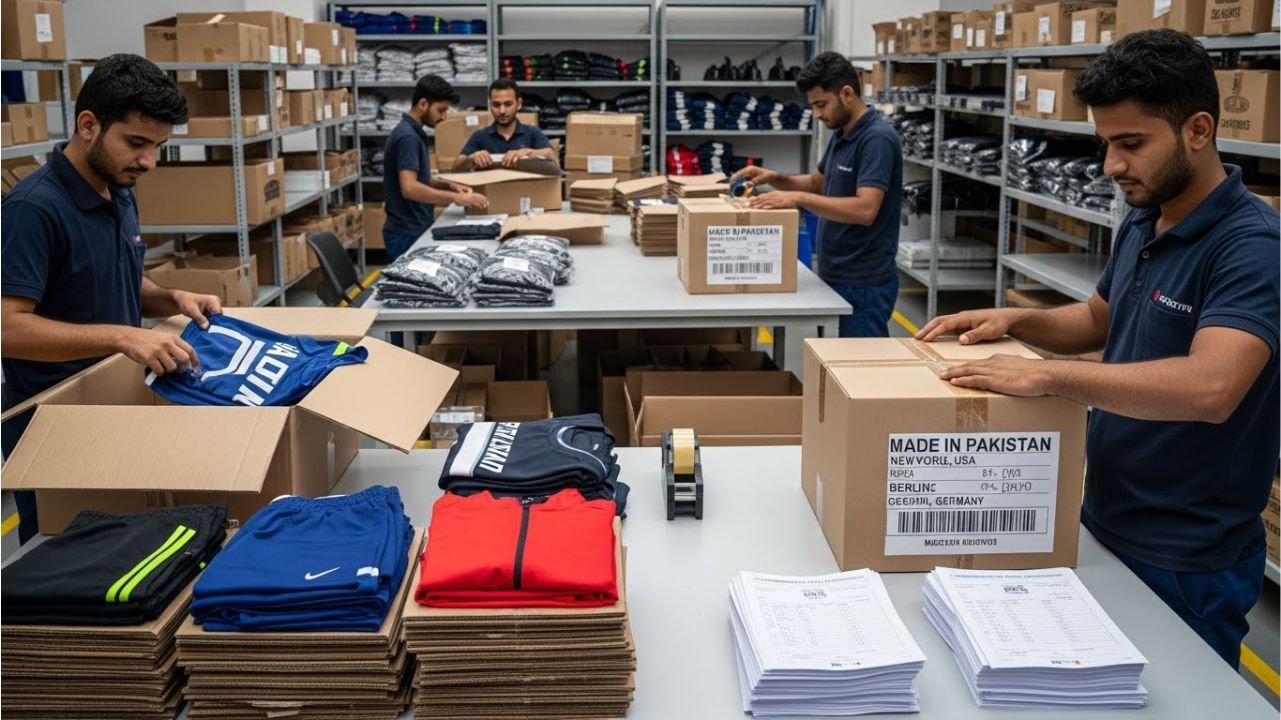
Packing, documentation, and the sportswear export process are the final but critical steps in the sportswear manufacturing process. For B2B clients, these stages ensure that high-quality garments reach their destination safely, on time, and ready to sell.
First, factories follow export-ready packing standards. Each sportswear item is carefully folded, protected, and placed in cartons. This prevents damage during transit and keeps the product looking perfect. Proper packing also makes handling and storage easier for brands and distributors.
Next, factories ensure full compliance with international shipping requirements. Different countries have rules about labeling, safety, and materials. By following these rules, manufacturers avoid delays, fines, or rejected shipments. This compliance is a key part of the professional sportswear export process management.
Documentation is equally important. Factories prepare commercial invoices, packing lists, and shipping coordination documents. These papers detail what is in each shipment, the quantity, product specifications, and total costs. They also help customs officials check the shipment quickly. Clear documentation keeps orders transparent and builds trust between the sportswear manufacturer and exporter and the client.
Finally, shipping coordination ensures that every order leaves the factory on time and reaches the client without complications. Factories track shipments and provide updates at every stage, giving B2B buyers peace of mind.
In short, packing, documentation, and the sportswear export process complete the journey from concept to shipment. They protect product quality, maintain legal compliance, and ensure smooth delivery. By managing these steps carefully, experienced manufacturers like Rompvela International make sure that every piece of sportswear reaches clients exactly as planned — safe, professional, and ready for the market.
From Idea to Delivery: Choosing the Right Sportswear Manufacturing Partner
Now you have seen the full journey. The sportswear manufacturing process starts with a simple idea. Then it moves through design, fabric sourcing, sampling, cutting, stitching, and quality checks. Finally, it ends with safe packing and global shipment. Each step matters. If even one step goes wrong, the final product can fail. That is why understanding this process helps brands make better choices.
However, the process alone is not enough. You also need the right partner. A trusted sportswear manufacturer and exporter helps you save time, reduce risks, and protect your brand name. The right factory follows clear steps. It shares updates. It checks quality. Most importantly, it keeps promises. Trust, transparency, and quality are not optional. They are the keys to long-term success in custom sportswear manufacturing.
This is where Rompvela International stands out. We are not just part of the sportswear production process. We guide it. With years of experience in activewear manufacturing and fitness apparel manufacturing, we help B2B clients turn ideas into market-ready products. We focus on strong fabrics, clean stitching, and reliable timelines. So, you always know what to expect.
Now is the right time to take the next step. Partner with Rompvela International and work with a team that values quality and honesty. We invite brands, importers, and distributors to collaborate with us. You can request samples. You can discuss custom projects. Or you can start a B2B inquiry today. Together, we can build sportswear that performs, lasts, and wins trust — from concept to shipment.