
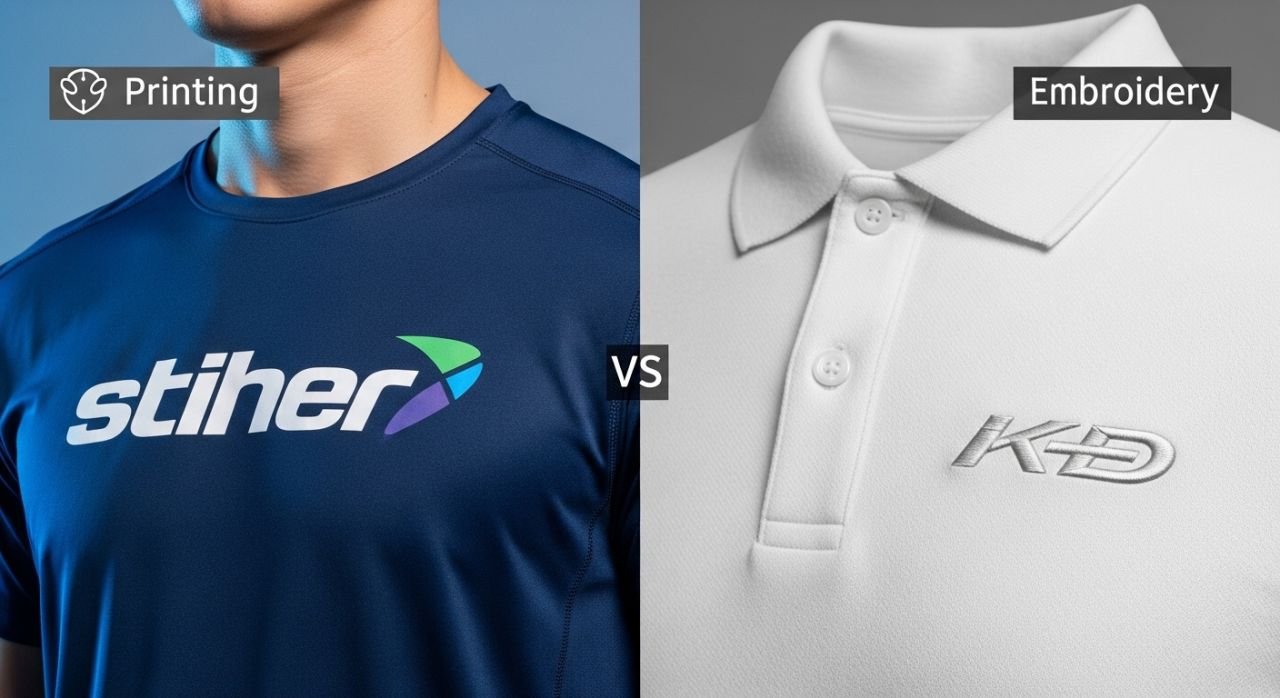
Branding plays a vital role in the success of any sportswear business. In a competitive market and printing vs embroidery, your logo and brand identity must stand out on every product you produce. Strong branding helps customers recognize your products and builds long-term trust in your brand.
Whether you are launching a new athletic apparel brand, managing a sports team, supplying uniforms for a gym, or running an e-commerce sportswear store, branding is a key part of your product strategy. Your logo placement, design quality, and branding method all influence how customers perceive your sportswear.
One of the most common decisions brands face during production is whether to print or embroider sportswear. Both methods are widely used in sportswear manufacturing, but choosing the right one can significantly impact the final product.
Printing vs embroidery serves different purposes depending on factors such as fabric type, logo complexity, product style, and brand positioning. The right sportswear branding method can improve durability, maintain comfort during athletic activity, and enhance the garment’s overall appearance.
For sportswear brands, private label startups, teams, importers, and distributors, understanding the difference between custom logo printing on sportswear and embroidery for athletic apparel is essential before moving into bulk production. Making the right choice at the beginning helps avoid costly mistakes later.
In this guide, we will explore the key differences between printing and embroidery, explain their advantages, and share practical insights to help businesses choose the best branding solution for their sportswear.
Understanding Sportswear Branding Methods
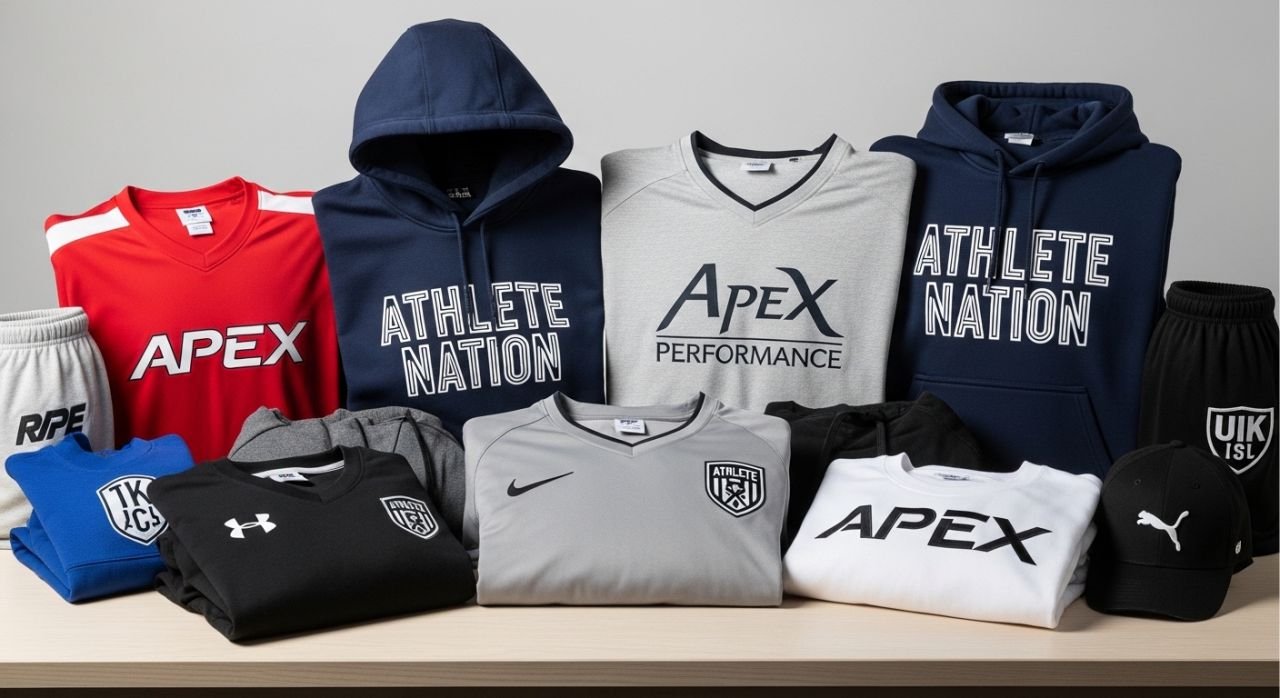
In sportswear manufacturing, branding refers to the process of applying logos, graphics, or brand identifiers to apparel products. These elements help distinguish a brand’s products and create a strong visual identity in a competitive market. From professional team uniforms to gym apparel and private label collections, effective branding ensures that every piece of sportswear represents the brand clearly and consistently.
Sportswear brands typically apply branding to products such as jerseys, training sets, hoodies, gym wear, tracksuits, and team uniforms. A well-placed logo or graphic not only improves product appearance but also strengthens brand recognition among athletes, teams, and customers.
The two most widely used sportswear branding techniques are:
- Printing
- Embroidery
Both methods are commonly used in custom apparel production, but they follow different manufacturing processes and create different visual and physical effects on the garment.
Printing involves applying ink or transferring graphics onto the fabric surface, producing a smooth and lightweight finish. This method works well for detailed graphics, vibrant colors, and large designs commonly seen on sports jerseys and performance apparel.
Embroidery, on the other hand, uses stitched threads to create a raised logo directly on the fabric. This technique gives the garment a textured and premium appearance, often associated with durability and high-quality branding.
Common Branding Applications in Sportswear
Sportswear brands typically use branding for several purposes, including:
- Company logos to establish brand identity
- Team names and player numbers for sports uniforms
- Sponsor logos for promotional visibility
- Brand slogans or taglines for marketing impact
- Custom designs or graphics for unique apparel collections
The branding method chosen can significantly influence how the design looks, feels, and performs during athletic activity, making it an important consideration during product development.
Printing for Sportswear Branding
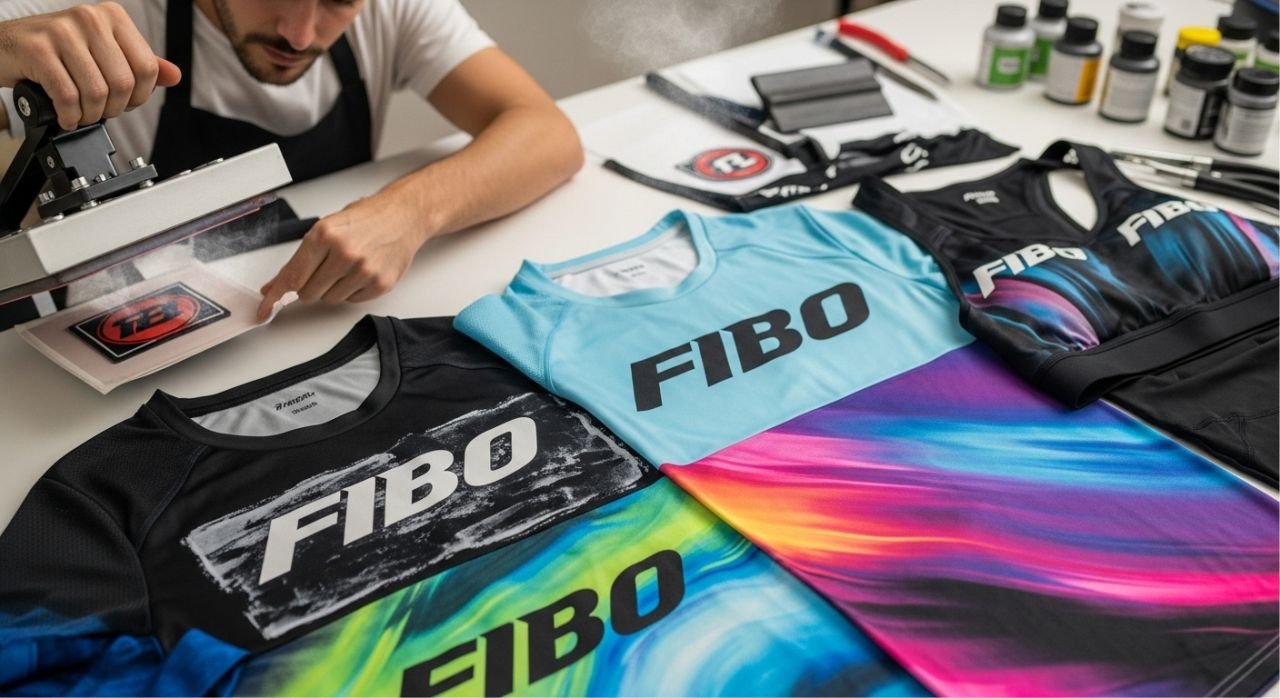
Printing is one of the most widely used logo application methods in sportswear manufacturing, especially for performance apparel and activewear collections. Many sportswear brands prefer printing because it allows them to create bold, colorful, and highly detailed designs that enhance the visual appeal of their products.
From gym wear and training shirts to sports jerseys and promotional apparel, printing offers a flexible and efficient solution for applying logos and graphics. It is particularly suitable for modern athletic garments made from lightweight and stretchable fabrics, where comfort and breathability are important.
What is Printing in Sportswear?
Printing in sportswear refers to the process of applying ink, pigments, or transferred designs directly onto the fabric surface. Instead of stitching a logo into the garment, the design is printed onto the material using specialized equipment and production techniques.
This method produces a smooth, lightweight finish, making it ideal for performance clothing where athletes need unrestricted movement and comfort during training or competition.
Several technologies are commonly used in custom sportswear printing, each offering unique advantages depending on the design, fabric type, and production requirements.
Common Printing Techniques Used in Sportswear
Sportswear manufacturers typically use the following printing methods:
- Screen printing for sportswear – A traditional and cost-effective technique ideal for bulk production and bold graphics.
- Heat transfer printing – Uses heat and pressure to transfer designs onto garments with strong color clarity.
- Sublimation printing – Perfect for polyester sportswear, allowing designs to become part of the fabric itself.
- DTF (Direct-to-Film) printing – A modern method that produces highly detailed and durable graphics.
These printing methods allow brands to apply detailed graphics, vibrant colors, and complex logo designs to sportswear while maintaining comfort and performance.
Benefits of Printing on Sportswear
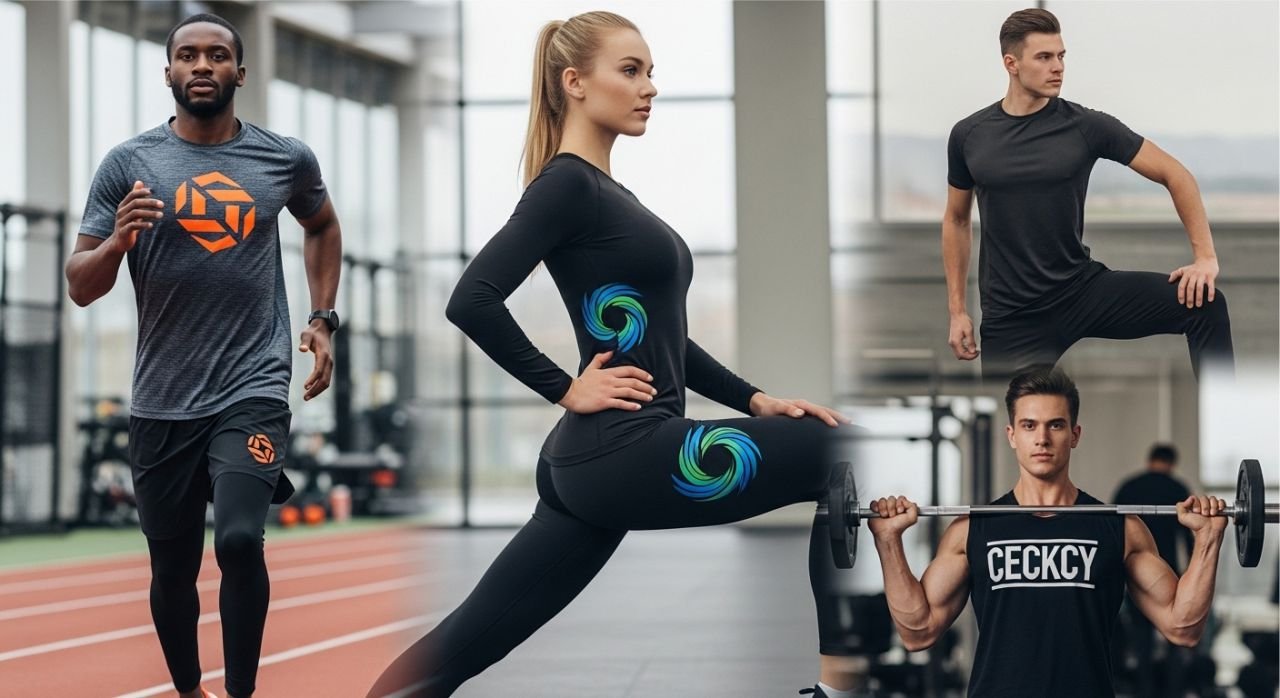
Printing is one of the most versatile and widely used sportswear branding methods. It allows brands to bring complex designs to life while keeping garments lightweight, comfortable, and suitable for performance activities. Unlike embroidery, printing offers flexibility in design, color, and placement, making it a go-to option for many sportswear manufacturers, private label brands, and custom apparel businesses. Below, we explore the key benefits of printing on sportswear and why it is ideal for modern athletic apparel.
1. Ideal for Complex Designs
One of the biggest advantages of printing is its ability to reproduce highly detailed graphics, gradients, and multi-color logos that embroidery cannot easily achieve. From intricate brand logos to artistic patterns, printing allows sportswear brands to maintain the integrity of their designs across every garment.
This capability makes printing a popular choice for:
- Fitness apparel brands that rely on eye-catching designs for brand differentiation
- Gym wear collections featuring bold graphics or motivational slogans
- Custom sports jerseys with player numbers, team logos, and sponsors
- Promotional sportswear for marketing campaigns or corporate giveaways
With printing, even the most complex designs can be applied consistently and accurately, ensuring brand visuals look professional and appealing on every piece.
2. Lightweight and Comfortable
Unlike embroidery, printing does not involve adding layers of thread or stitching to the fabric. This makes printed designs extremely lightweight and unobtrusive, which is essential for performance apparel. Athletes and activewear consumers prefer printed logos because they do not create friction or discomfort during movement.
Printing is particularly suitable for:
- Breathable sportswear fabrics, including mesh and moisture-wicking textiles
- Running shirts and fitness tops that need flexibility and comfort
- Performance jerseys designed for training or competitive sports
- Compression garments that require stretch without interference from raised stitching
By keeping garments soft and lightweight, printing enhances comfort while maintaining brand visibility, making it ideal for high-performance athletic wear.
3. Cost-Effective for Large Designs
Printing is often more economical than embroidery, especially for large logos or chest graphics. Embroidery involves labor-intensive stitching, which can increase production costs as logo size and color complexity grow. Printing, on the other hand, allows brands to scale designs efficiently without significant cost increases.
Sportswear brands producing bulk custom apparel often choose printing when:
- Designs are large or cover wide areas of the garment
- Multiple colors are incorporated into a single design
- Production volumes are high, requiring consistent results across hundreds or thousands of units
This cost-effectiveness makes printing a preferred choice for startups, private label brands, and sports teams looking to maintain quality while controlling expenses.
4. Perfect for Performance Fabrics
Modern sportswear often uses technical fabrics designed for high performance, including:
- Moisture-wicking fabrics that keep athletes dry
- Stretch materials for maximum flexibility
- Lightweight polyester blends for comfort and durability
Printing is highly compatible with these fabrics because it adheres directly to the material without compromising its elasticity or breathability. Embroidery, by contrast, can add stiffness or bulk to stretch fabrics, which may affect movement and comfort.
Whether you are producing running shirts, compression wear, or training sets, printed logos maintain the performance qualities of the garment while providing a clear, professional, and visually appealing brand presentation.
Why Printing is the Go-To Choice for Sportswear Brands
For sportswear brands, private label startups, and custom manufacturers, printing offers unmatched flexibility, cost efficiency, and compatibility with modern fabrics. It allows you to produce high-quality, detailed designs on performance apparel without adding weight or restricting movement.
By choosing printing as your primary branding method, you can create sportswear collections that are visually striking, comfortable, and suitable for athletes—all while keeping production costs manageable.
Whether it’s a bulk order of custom sports jerseys, a limited edition gym wear collection, or promotional fitness apparel, printing ensures your brand looks professional and performs well on every garment.
Limitations of Printing
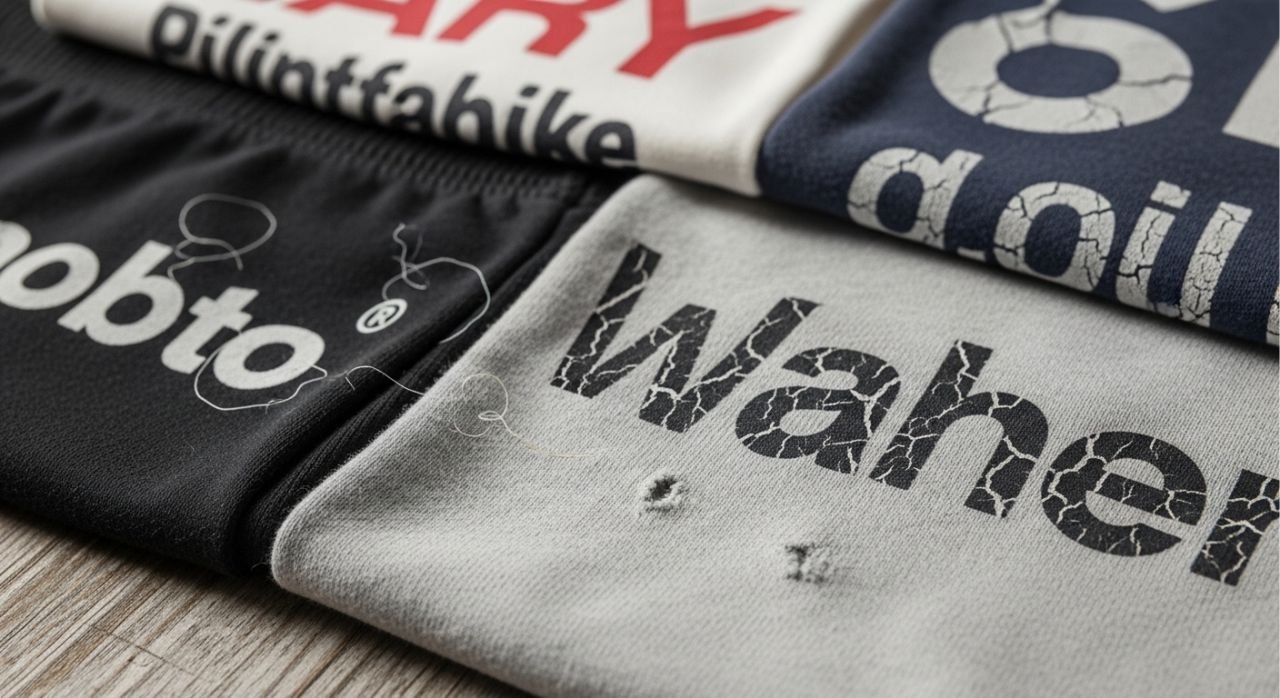
While printing is a versatile and popular sportswear branding method, it does have some limitations that brands should consider when planning their products.
One of the main concerns is durability. Some printing techniques, especially lower-quality methods, may fade over time or crack after repeated washing, particularly on high-performance fabrics exposed to frequent use. This can affect the garment’s appearance and reduce the perceived quality of your brand.
Printing is also not always ideal for premium or luxury sportswear, where a raised, textured, and tactile logo—like embroidery can better convey a sense of quality and professionalism. For brands targeting the high-end market, this can influence customer perception.
Another challenge is fabric compatibility. Certain printing methods may not perform well on heavily textured, thick, or highly stretchable materials, which could impact logo clarity or garment comfort.
To overcome these limitations, working with an experienced sportswear manufacturer is essential. Professional manufacturers, like Rompvela International, ensure the use of high-quality inks, advanced printing techniques, and fabric-compatible processes to maintain durability, color vibrancy, and overall brand consistency. This allows brands to leverage the benefits of printing while minimizing potential drawbacks.
By understanding these limitations, businesses can make informed decisions and select the best branding method for their sportswear collections.
Embroidery for Sportswear Branding
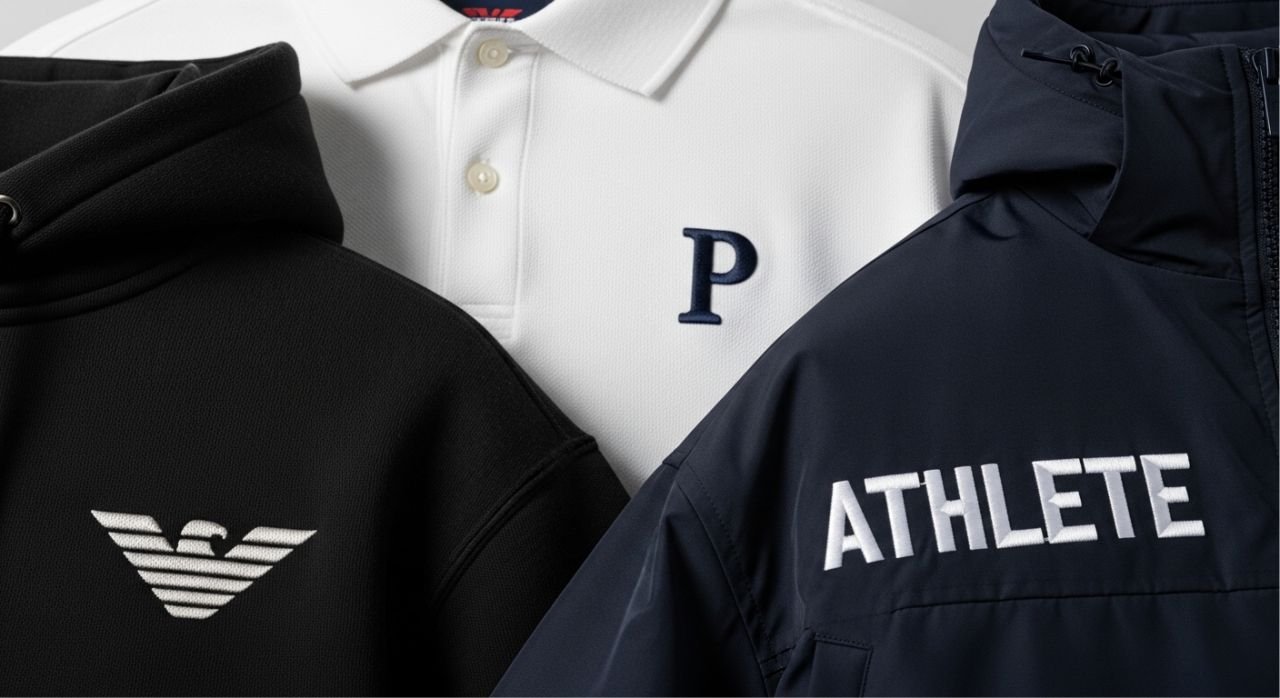
Embroidery is a classic and highly respected branding method in the sportswear industry, widely used in premium apparel, corporate sportswear, and team uniforms. It adds a sense of quality, durability, and professionalism that can elevate a brand’s image. Unlike printing, embroidery creates a tactile, raised design that communicates craftsmanship and attention to detail, making it a preferred choice for sportswear products where long-lasting branding is essential.
What is Embroidery?
Embroidery involves stitching a logo or design directly into the fabric using specialized embroidery machines. High-quality threads are sewn into the garment, creating a textured, raised appearance that stands out visually and physically. This method ensures that logos remain intact even after repeated washes and wear, making embroidery particularly suitable for apparel that requires longevity and premium appeal.
Common Uses of Embroidery in Sportswear
Embroidery is versatile and works well on a range of sportswear products, particularly those made from thicker fabrics that can support stitched designs. Common applications include:
- Polo shirts – Perfect for corporate branding or club uniforms
- Team jackets – Adds a professional look for teams and staff
- Hoodies – Creates a premium feel for casual and promotional apparel
- Training wear – Durable for repeated use in athletic environments
- Caps and accessories – Ideal for raised logos that are highly visible
Why Brands Choose Embroidery
Embroidery offers several advantages that make it a popular choice for sportswear branding:
- Premium Appearance – A raised, textured logo gives garments a high-end look
- Durability – Stitched designs resist fading, cracking, and peeling over time
- Versatility – Works on various fabrics, including cotton, fleece, and polyester blends
- Brand Recognition – Embroidered logos convey professionalism and attention to detail
While embroidery may not be suitable for highly detailed or large, colorful graphics, it excels in small to medium-sized logos and designs where durability, texture, and premium quality are priorities.
When combined with expertise from a professional manufacturer like Rompvela International, embroidery can be executed flawlessly on bulk sportswear orders, ensuring consistent, high-quality branding across every garment.
This makes embroidery an excellent choice for brands, teams, and corporate clients aiming to enhance their brand image while delivering long-lasting, visually appealing sportswear.
Benefits of Embroidery on Sportswear
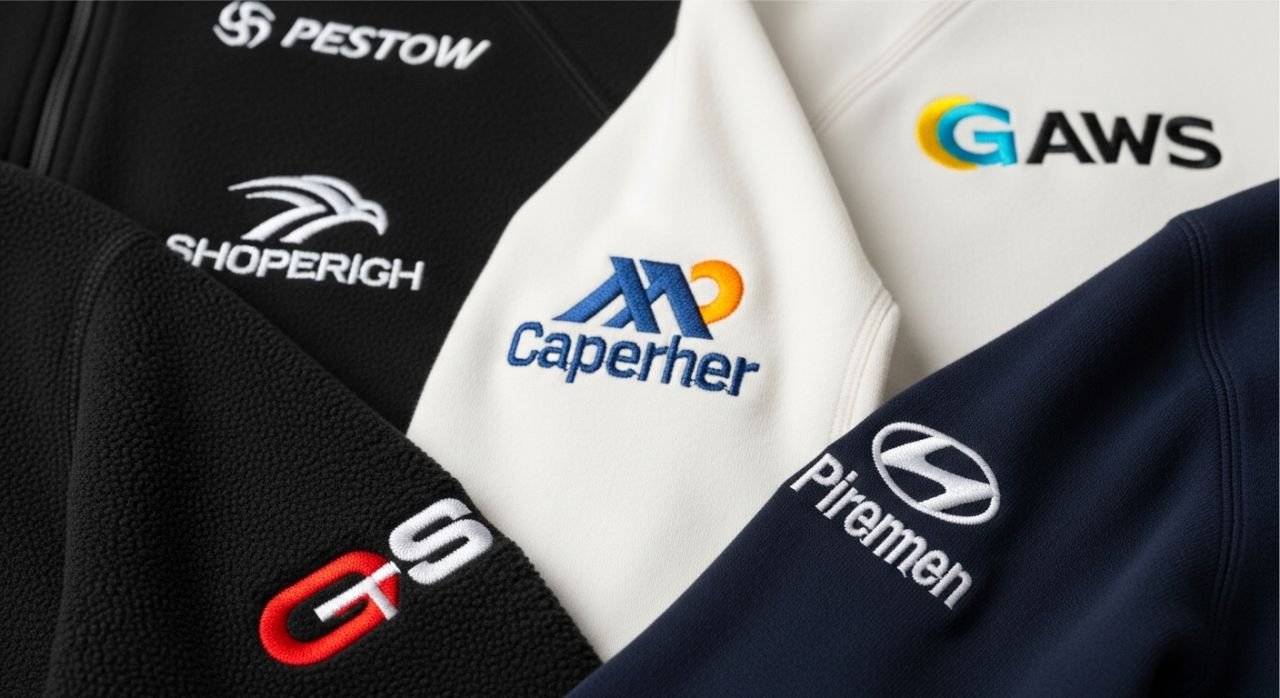
Embroidery is one of the most respected and traditional branding methods in sportswear manufacturing, offering a premium, professional, and long-lasting way to showcase logos and designs.
Unlike printing, embroidery creates a textured, raised design that enhances the perceived quality of a garment while providing durability that lasts through repeated wear and washing. Many sportswear brands, corporate buyers, and team managers choose embroidery to elevate their brand image and create apparel that feels high-end and professional.
1. Premium and Professional Appearance
One of the most notable advantages of embroidery is its ability to give sportswear a luxury and professional look. The raised stitching adds depth and texture, making logos and designs stand out visually. This premium effect is highly valued in:
- Corporate sportswear – Embroidered logos convey professionalism for staff uniforms and company apparel.
- Club uniforms – Sports clubs and teams benefit from the clean, durable, and polished appearance that embroidery provides.
- Premium athleisure collections – Embroidered branding enhances lifestyle and fashion-oriented sportswear, creating a sense of quality and exclusivity.
Embroidered logos communicate attention to detail and craftsmanship, which helps brands establish credibility and appeal in competitive markets.
2. Excellent Durability
Durability is a major factor in the embroidery vs printing debate, and embroidery often comes out on top. Stitched logos are long-lasting and resistant to wear, making them ideal for sportswear that is used frequently and washed repeatedly.
Benefits of embroidered logos include:
- Color retention – Threads do not fade easily, maintaining vibrant brand colors over time.
- Resistance to washing – Stitched designs withstand frequent laundering without cracking or peeling.
- Structural integrity – Embroidery maintains its shape and texture even after prolonged use.
This makes embroidery particularly suitable for uniforms, jackets, hoodies, and other garments intended for long-term use, ensuring that your brand identity remains intact.
3. Ideal for Small Logos
Embroidery works exceptionally well for small and subtle logo placements. It adds branding without overwhelming the garment’s design. Common placements include:
- Chest logos – Subtle yet visible branding on polo shirts, hoodies, and jackets.
- Sleeve branding – Ideal for corporate uniforms or team apparel.
- Collar logos – Provide discreet branding while maintaining a premium aesthetic.
These smaller placements allow brands to communicate identity effectively while keeping garments stylish and professional.
4. Strong Brand Identity
Many established sportswear brands rely on embroidery to create a recognizable and high-quality brand image. The tactile and premium nature of embroidered logos communicates:
- Quality – Signals that the garment is well-made and durable.
- Reliability – Enhances consumer trust in your brand.
- Brand prestige – Adds a luxury feel, particularly for corporate apparel, premium collections, or limited-edition lines.
By using embroidery strategically, brands can reinforce their identity and make their apparel stand out in crowded markets.
Limitations of Embroidery
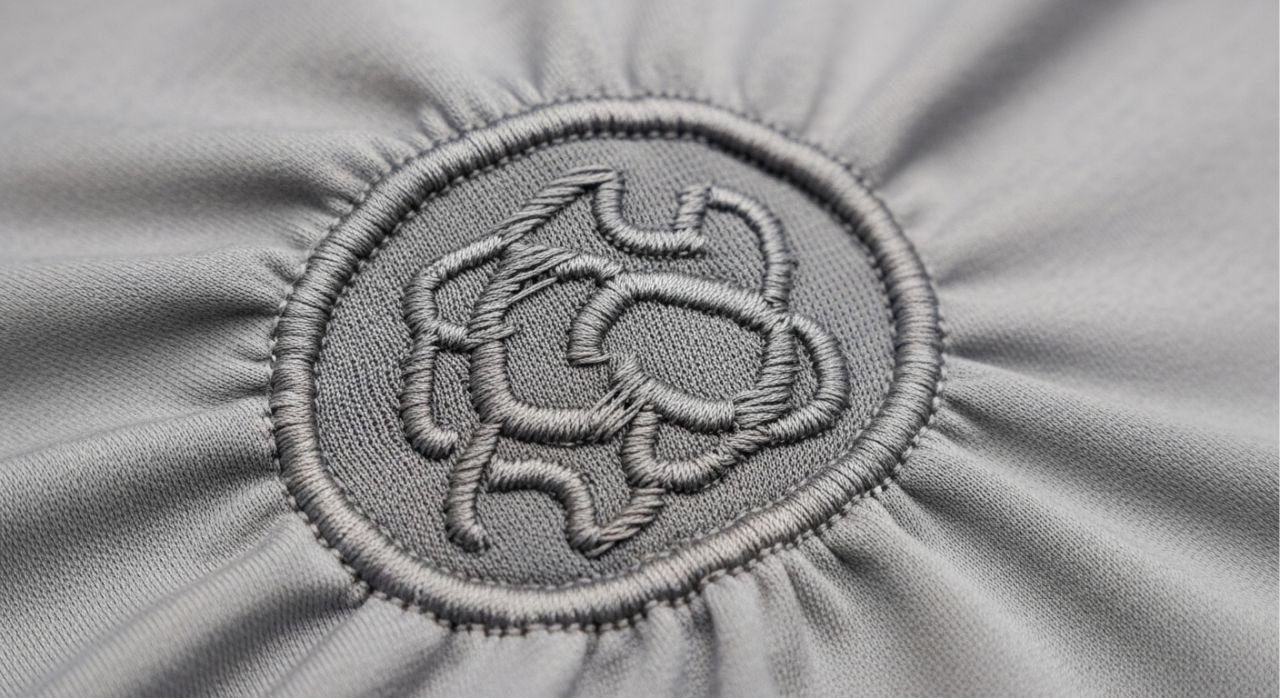
Despite its many advantages, embroidery is not suitable for every type of sportswear product. Some limitations include:
- Not ideal for large designs – Large graphics or highly detailed artwork are better suited for printing.
- Heaviness on lightweight fabrics – Embroidery can feel bulky or stiff on thin materials, affecting comfort.
- Higher cost for complex logos – Multiple colors or intricate patterns increase production costs.
- Limited detail compared to printing – Fine gradients, photographic designs, and extremely detailed graphics cannot be reproduced with embroidery.
For performance garments made from stretch fabrics, embroidery must be applied carefully, as excessive stitching can reduce flexibility and comfort during movement. Working with an experienced manufacturer ensures that embroidered branding is executed flawlessly, balancing durability, aesthetics, and garment performance.
Embroidery remains a go-to solution for premium, durable, and professional sportswear branding, offering long-lasting appeal and strong brand recognition. When used strategically, it enhances your sportswear line, whether for corporate uniforms, team apparel, or high-end athleisure collections, while maintaining the quality and reputation of your brand.
Printing vs Embroidery for Sportswear: Key Differences
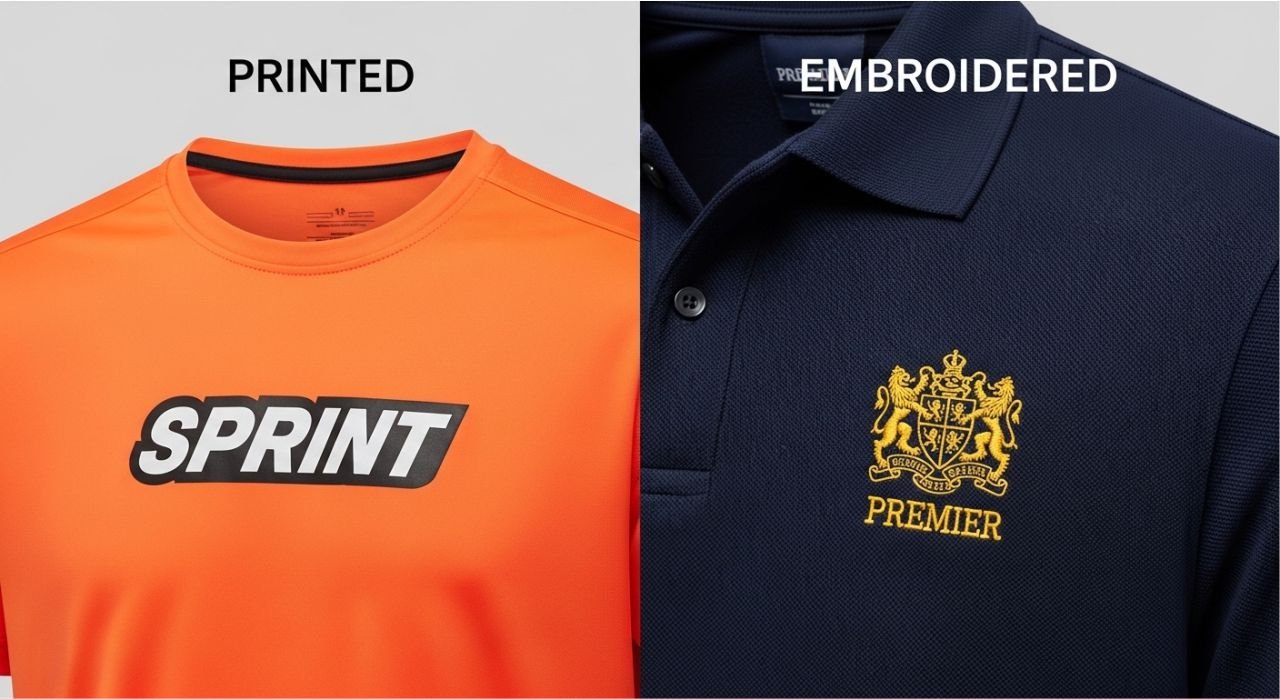
When it comes to custom sportswear branding, printing vs embroidery is one of the most important decisions a brand can make. Each method offers distinct advantages and is suited for different types of garments, designs, and target audiences. Understanding the key differences between printing vs embroidery for sportswear helps brands, teams, and businesses make informed decisions that enhance brand identity, garment performance, and overall product appeal.
Both methods are widely used in sportswear manufacturing, but they differ in appearance, durability, comfort, and cost. Below is a detailed comparison to help brands choose the right approach for their sportswear collections.
Appearance
Printing creates a smooth, flat surface on the fabric. It allows for detailed graphics, gradients, and vibrant colors, making it ideal for designs that require precision and complex visuals. Printed logos and graphics integrate seamlessly with the garment, making them perfect for performance apparel, gym wear, and team jerseys where aesthetics and functionality must coexist.
Embroidery, on the other hand, produces a raised, textured finish that conveys a premium and professional look. Embroidered logos are particularly effective for simple logos, small designs, and brand emblems where the goal is to emphasize craftsmanship and quality. This method adds a tactile dimension to the garment, which can reinforce brand prestige and make products stand out in retail or corporate environments.
Durability
Durability is a key consideration in sportswear, especially for garments that undergo frequent washing or intensive athletic use.
Printing can be highly durable when high-quality techniques and inks are used. Methods such as sublimation or DTF printing can withstand repeated washes without fading, but lower-quality prints may crack or lose vibrancy over time. Therefore, working with an experienced manufacturer ensures printed designs retain their appearance for longer.
Embroidery excels in durability. Stitched logos resist fading, peeling, or cracking and maintain their structure over time. This makes embroidery ideal for team uniforms, corporate apparel, and premium sportswear where long-lasting branding is essential.
Comfort
Comfort is another critical factor, particularly for performance garments.
Printed designs are lightweight and unobtrusive, which makes them suitable for high-performance fabrics such as moisture-wicking polyester, stretch blends, or compression wear. Athletes and activewear consumers often prefer printed logos because they do not interfere with movement or create friction.
Embroidery, while visually appealing, adds a slight weight to the fabric. It works best on thicker materials, such as jackets, hoodies, polo shirts, and caps, where extra texture does not compromise comfort. On lightweight or stretch fabrics, embroidery must be applied carefully to avoid stiffness or restricted movement.
Cost
Cost is another practical factor when deciding between printing vs embroidery.
Printing is generally more cost-effective, particularly for large logos, multi-color designs, or high-volume production runs. It allows brands to maintain high visual quality without significantly increasing manufacturing costs, making it ideal for startups, private label brands, and bulk sportswear orders.
Embroidery tends to be more expensive, especially for complex logos with multiple colors or intricate patterns. The labor and machine work involved add to production costs, but the result is a premium, long-lasting design that enhances the perceived value of the garment.
Choosing the Right Branding Method for Your Sportswear
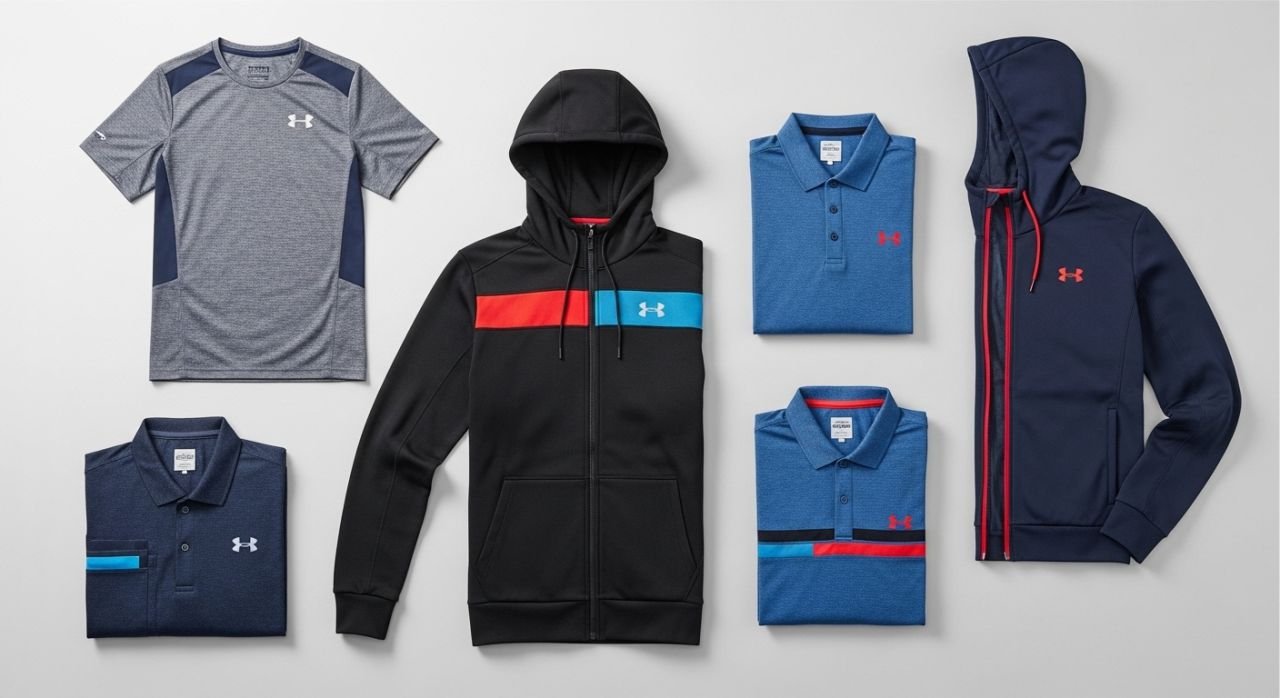
Selecting the right branding method is one of the most important decisions for sportswear brands, private label startups, teams, and businesses. The choice between printing vs embroidery for sportswear affects not only the visual appeal of the garment but also its comfort, durability, and brand perception.
By understanding key factors such as product type, fabric, logo complexity, and brand positioning, businesses can make informed decisions that maximize the impact of their branding.
1. Type of Sportswear Product
Different sportswear products are best suited to different branding methods. The physical characteristics of the garment, its intended use, and the target audience all influence whether printing or embroidery is the better choice.
Best Uses for Printing
Printing is ideal for lightweight and performance-focused garments where flexibility, comfort, and detailed graphics are important. Common applications include:
- Running shirts – Lightweight fabrics and large graphic areas benefit from smooth, breathable prints.
- Fitness apparel – Printed logos do not interfere with stretchable, high-movement garments.
- Sports jerseys – Multi-color graphics, player numbers, and detailed designs are easier to achieve with printing.
- Compression wear – Printing maintains the garment’s stretch and comfort without adding bulk.
Best Uses for Embroidery
Embroidery is well-suited for thicker fabrics and premium apparel, where durability, texture, and a high-end appearance are priorities. Typical applications include:
- Hoodies – Adds a tactile, premium feel for casual or promotional wear.
- Jackets – Provide long-lasting branding that withstands frequent use.
- Polo shirts – Ideal for corporate or team uniforms with small, recognizable logos.
- Team uniforms – Embroidery enhances professional appearance and reinforces brand prestige.
2. Fabric Type
The type of fabric plays a crucial role in determining the most suitable logo customization method.
- Performance fabrics such as polyester, spandex blends, and moisture-wicking materials generally perform better with printing. Printing adheres smoothly to these materials without compromising stretch, breathability, or comfort. It is particularly effective on fabrics that are lightweight, flexible, or intended for high-performance use.
- Thicker fabrics, including fleece, cotton blends, and structured materials, support embroidery more effectively. The stitching adds texture and a premium feel without negatively affecting comfort. Embroidery is less likely to distort or damage these fabrics, making it ideal for jackets, hoodies, and polo shirts.
3. Logo Complexity
Logo design is another factor in selecting a branding method:
- Highly detailed logos with gradients, multiple colors, or intricate graphics work best with printing. Techniques such as sublimation, screen printing, or DTF printing reproduce complex designs accurately and maintain clarity across various fabric types.
- Simple logos with clean shapes, text, or small icons are ideal for embroidery. Embroidered designs maintain structure and clarity, ensuring that the logo remains visually appealing over time.
4. Brand Positioning
A brand’s market positioning also influences the choice of branding method:
- Premium brands often prefer embroidery. The textured, raised design communicates quality, professionalism, and luxury, aligning with high-end apparel collections or corporate sportswear.
- Performance-focused brands typically choose printing. Printed logos are lightweight, unobtrusive, and flexible, making them ideal for activewear, gym apparel, and athletic clothing where comfort and functionality are critical.
Making the Right Choice
Choosing the right branding method requires balancing garment type, fabric, logo design, and market positioning. Many sportswear brands adopt a hybrid approach—using embroidery for small logos on premium garments and printing for large, detailed graphics on performance wear.
Working with an experienced sportswear manufacturer like Rompvela International ensures that your chosen branding method is applied with precision, maintaining logo clarity, fabric performance, and long-term durability. By considering these factors, businesses can create custom sportswear collections that are visually appealing, functional, and aligned with brand identity, delivering garments that satisfy both athletes and customers alike.
This strategic approach allows brands to maximize impact, create lasting impressions, and ensure that every piece of sportswear reflects the quality and professionalism of their brand.
B2B Perspective: Why the Right Branding Method Matters
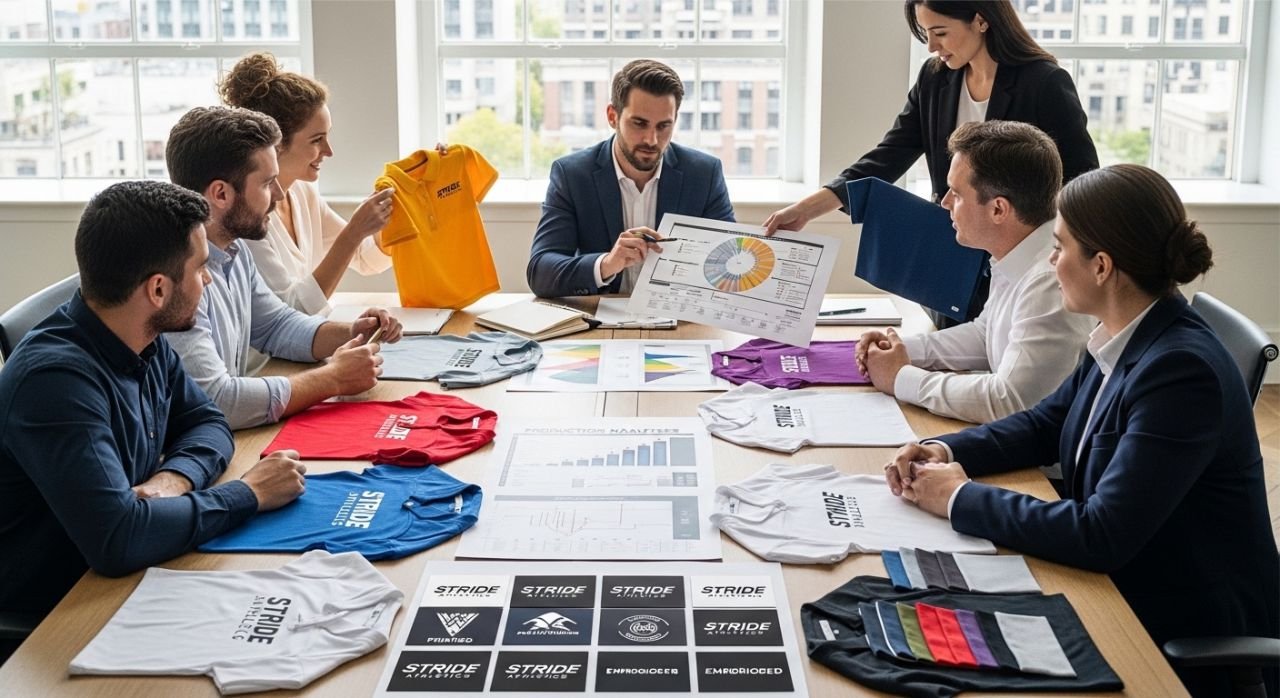
For businesses operating in the sportswear industry, selecting the right branding method is more than a design choice—it directly impacts product success, brand reputation, and customer satisfaction.
Whether you are an established sportswear brand, a private-label startup, a sports club, or an importer, the decision between printing vs embroidery for sportswear can affect everything from durability and aesthetics to production efficiency and overall market appeal. Understanding how each method aligns with different business needs is essential for creating apparel that resonates with your target audience.
Sportswear Brands
For established sportswear brands, maintaining a consistent and professional visual identity across collections is critical. Every garment sent to the market reflects the brand’s quality, reliability, and attention to detail. Using the right sportswear branding techniques ensures:
- Strong visual identity – Logos and graphics are clear, consistent, and instantly recognizable.
- Professional product presentation – High-quality branding enhances the perceived value of the apparel.
- Better customer perception – Well-branded garments reinforce trust and loyalty among athletes, teams, and consumers.
For these brands, embroidery is often preferred for premium garments such as polo shirts, jackets, and corporate team uniforms, while printing is ideal for performance wear and active apparel with detailed designs or large graphics.
Private Label Startups
Private-label startups in the sportswear industry face unique challenges. They need cost-effective solutions that allow flexibility while producing high-quality products. Printing is usually the preferred choice for startups because it offers:
- Lower initial costs – Minimizes expenses for bulk production without compromising visual impact.
- Flexible design options – Supports multi-color graphics, gradients, and detailed logos that might be difficult to achieve with embroidery.
- Faster production timelines – Printed garments can be produced and delivered quickly, helping startups meet market demands efficiently.
However, startups seeking to create premium collections may incorporate embroidery for select products. Embroidered logos communicate luxury and attention to detail, helping new brands establish credibility and differentiate themselves in competitive markets.
Sports Clubs and Teams
For sports clubs and teams, branding is both functional and visual. Apparel must withstand regular wear and washing while clearly displaying team identity. Often, a combination of printing vs embroidery is used to achieve this balance:
- Player numbers and large graphics → Printing is ideal because it allows vibrant colors, large-scale designs, and lightweight flexibility.
- Team logos and emblems → Embroidery adds a premium, durable, and professional finish that reinforces team identity.
This strategic mix ensures uniforms are comfortable, long-lasting, and visually appealing, providing athletes with high-performance apparel while enhancing team branding.
Importers and Distributors
Importers and distributors sourcing sportswear from manufacturers must consider the market demand, fabric type, and branding expectations. The right branding method ensures that products meet customer expectations and maintain brand consistency.
Reliable manufacturers, such as Rompvela International, provide essential guidance on:
- Logo placement – Ensures branding is positioned for maximum visibility and aesthetic appeal.
- Branding methods – Advises whether printing vs embroidery is better suited based on fabric, design complexity, and target market.
- Fabric compatibility – Matches the branding technique with the material type for optimal durability and comfort.
- Production efficiency – Helps streamline bulk manufacturing while maintaining high-quality standards.
By aligning branding methods with market requirements, importers and distributors can offer products that perform well, look professional, and enhance brand value for retailers and consumers alike.
Why It Matters for B2B Success
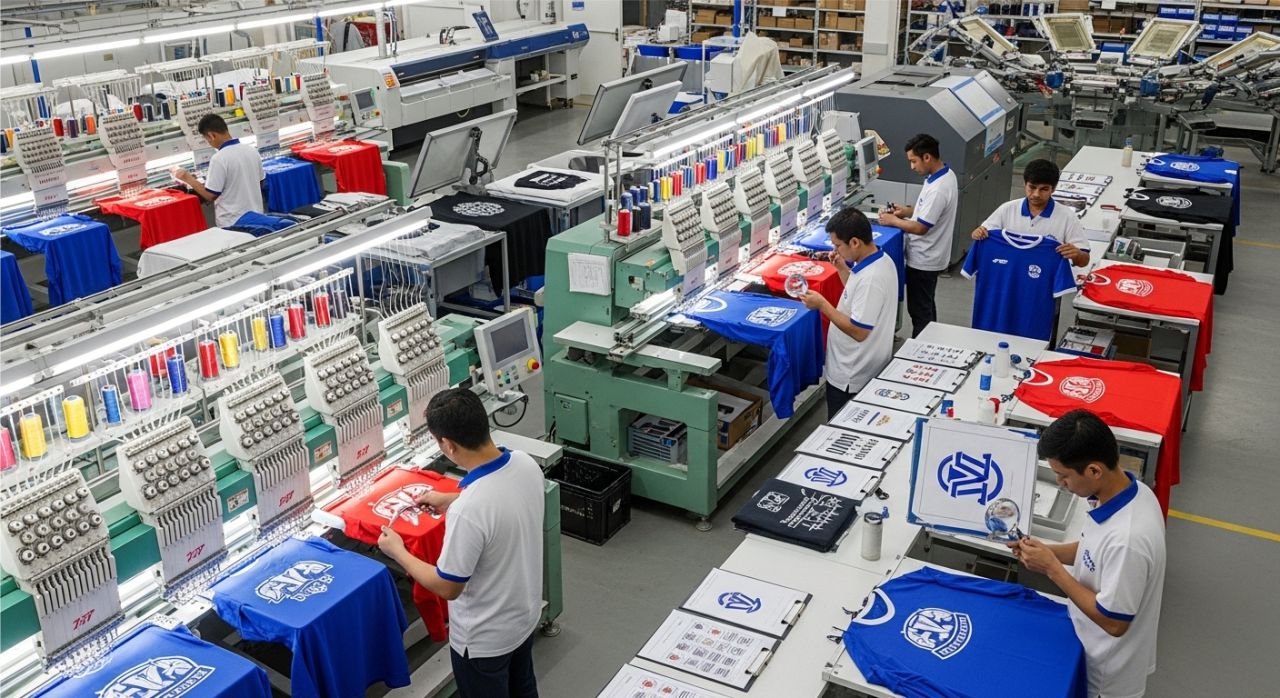
Choosing the right branding method is crucial for B2B sportswear businesses because it affects product quality, production efficiency, and brand perception. Working with an experienced manufacturer ensures that the selected technique—whether printing, embroidery, or a combination—meets the specific needs of each business segment.
From startups seeking cost-effective, flexible solutions to established brands prioritizing premium appeal, and from sports teams balancing durability with aesthetics to importers ensuring market alignment, the right branding method strengthens identity, improves customer satisfaction, and enhances business success.
By considering factors such as product type, fabric, logo complexity, and market positioning, sportswear businesses can make informed decisions that deliver high-quality, durable, and visually appealing apparel to their clients and end-users. Partnering with a reliable manufacturer like Rompvela International ensures that every custom-branded garment reflects professionalism, quality, and the brand’s core values.
In professional sportswear manufacturing, branding is not an afterthought—it is a critical part of the product development process. Experienced manufacturers carefully plan how logos, graphics, and brand elements will be applied to ensure consistency, durability, and visual appeal across every garment.
Key factors analyzed during the planning stage include:
- Fabric type – Determines whether printing or embroidery is most suitable for durability and comfort.
- Logo size – Ensures the design is proportionate and visually balanced on the garment.
- Design complexity – Influences the choice of branding method and production technique.
- Production volume – Guides the selection of efficient, cost-effective processes for bulk orders.
At Rompvela International, we work closely with sportswear brands, private-label startups, and teams to recommend the best custom apparel branding solutions based on their goals and product specifications.
Our production process is designed to deliver professional results at every stage:
- Logo design analysis – Evaluates design intricacies to determine whether printing or embroidery is ideal.
- Fabric compatibility checks – Ensures the chosen branding method performs well with the garment material.
- Sampling before bulk production – Provides a prototype to review appearance, placement, and quality before large-scale manufacturing.
- Quality control during branding application – Guarantees that every logo is applied accurately, maintaining consistent color, texture, and alignment.
By following these steps, manufacturers ensure that sportswear brands receive high-quality, durable, and visually appealing apparel that accurately represents their brand. Professional handling of branding not only enhances product quality but also strengthens brand identity, boosts customer satisfaction, and reduces production errors.
Partnering with a trusted manufacturer like Rompvela International allows businesses to confidently create custom sportswear that is functional, stylish, and perfectly branded, every time.
Practical Tips for Businesses Choosing Branding Methods
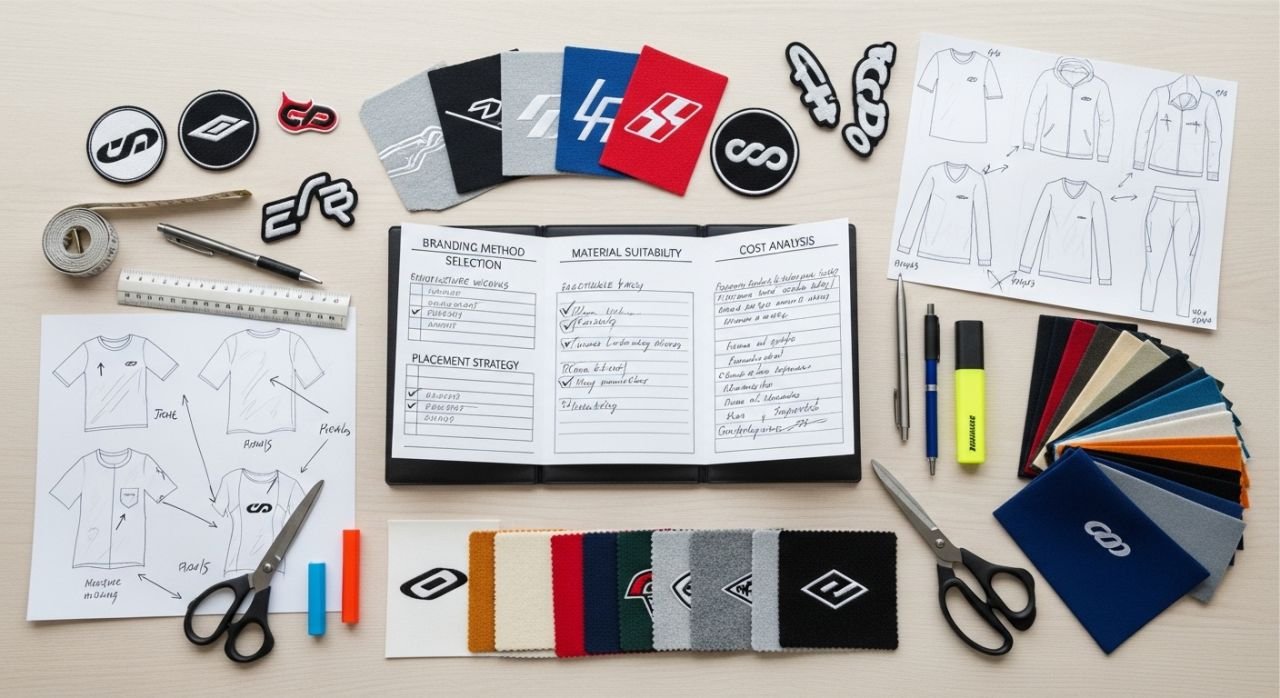
Choosing the right branding method is a critical decision for sportswear brands, teams, and businesses. The choice between printing vs embroidery for sportswear affects not only the visual appeal of your apparel but also its comfort, durability, and overall brand perception.
By following practical tips and working strategically, businesses can ensure that their custom-branded sportswear stands out while meeting functional requirements for athletes and consumers alike.
1. Always Test with Samples
Before committing to bulk production, it’s essential to request samples of your branded sportswear. Samples allow you to evaluate key aspects of your branding and ensure the final product meets expectations.
When testing samples, focus on:
- Logo appearance – Verify that the logo or design is clear, proportionate, and visually appealing.
- Fabric performance – Check how the branding interacts with stretch, moisture-wicking, or breathable fabrics.
- Wash durability – Ensure the design retains its color, shape, and texture after repeated washing.
Testing samples helps identify potential issues early, reducing costly errors in large-scale production.
2. Consider Your Target Market
Your branding method should align with your brand positioning and target audience. Different markets have different expectations when it comes to quality, aesthetics, and garment performance.
- Premium lifestyle sportswear → Embroidery communicates luxury, durability, and professionalism, appealing to high-end consumers.
- Fitness performance apparel → Printing is ideal for lightweight, flexible, and moisture-wicking garments used in active sports and gym wear.
Selecting the right method for your target market ensures your products meet customer expectations and strengthen your brand identity.
3. Think About Comfort
Comfort is a critical factor, especially for athletic apparel. Athletes and activewear users need garments that allow a full range of motion without irritation.
- Avoid heavy embroidery on lightweight or stretchable fabrics, as it can create stiffness or discomfort.
- Printed designs are lightweight and unobtrusive, making them perfect for running shirts, compression gear, or performance jerseys.
Balancing comfort with visual appeal ensures your sportswear is functional while effectively showcasing your brand.
4. Plan Branding Placement Carefully
Strategic branding placement enhances visibility and reinforces your brand identity without overwhelming the garment. Common placements include:
- Chest logos – Highly visible and professional, ideal for both embroidery and printing.
- Sleeve logos – Subtle branding for team uniforms or corporate apparel.
- Back graphics – Perfect for large designs, player numbers, or promotional visuals.
- Neck labels – Discreet branding for premium apparel or private-label garments.
Professional manufacturers can recommend the most effective placements based on garment type, logo size, and overall design aesthetics. Proper planning ensures the branding complements the garment and provides maximum impact.
5. Work with an Experienced Manufacturer
Partnering with a knowledgeable manufacturer is key to successful branding. Experienced manufacturers understand the technical aspects of custom sportswear production and can guide businesses on:
- Branding durability – Ensuring prints or embroidery withstand repeated washing and athletic use.
- Fabric compatibility – Matching the right branding method to different materials such as polyester, spandex, cotton blends, or fleece.
- Production efficiency – Streamlining processes to reduce errors, costs, and delays during bulk production.
Manufacturers like Rompvela International provide expertise in both printing and embroidery, offering guidance on design execution, fabric selection, and quality control. This partnership helps businesses avoid costly mistakes, maintain consistency, and deliver high-quality sportswear that meets market expectations.
Key Takeaways
When choosing branding methods for sportswear, businesses should focus on:
- Testing with samples to evaluate design clarity, fabric performance, and durability.
- Aligning the branding method with the target market and brand positioning.
- Prioritizing comfort, especially for performance apparel.
- Planning logo placement carefully for maximum visibility and professional aesthetics.
- Working with an experienced manufacturer to ensure consistent, high-quality results.
By following these practical tips, sportswear brands, teams, and businesses can create custom apparel that balances style, functionality, and brand impact. Strategic decision-making at the branding stage ensures your sportswear collections are professional, durable, and aligned with your market goals, giving your brand a competitive edge.
Final Thoughts: Choosing the Right Branding Method for Your Sportswear
Choosing between printing vs embroidery for sportswear is an important decision for sportswear brands, teams, and businesses looking to build a strong and recognizable identity. The right branding method does more than just display a logo — it influences product quality, durability, comfort, and how customers perceive your brand in the market.
Both printing and embroidery offer valuable advantages depending on the type of sportswear being produced. Printing works exceptionally well for performance apparel, detailed graphics, vibrant designs, and large logo placements. It is commonly used for activewear, training gear, and sports jerseys where lightweight comfort and flexibility are essential.
Embroidery, on the other hand, delivers a premium, durable, and professional appearance. It is often preferred for products such as hoodies, polo shirts, jackets, and team uniforms, where a raised and textured logo adds a sense of quality and long-lasting branding.
For businesses involved in sportswear manufacturing, private label apparel, or team uniform production, selecting the right logo application method in sportswear manufacturing plays a major role in strengthening brand identity and improving the overall product experience.
By understanding the differences between these branding techniques, sportswear brands can develop collections that are both functional and visually appealing, while also meeting the expectations of athletes, teams, and customers.
Ready to Build Your Sportswear Brand?
If you are planning to launch a new sportswear line or expand your existing collection, choosing the right branding method is a key step toward creating successful products.
Rompvela International specializes in custom sportswear manufacturing, private label production, and bulk apparel customization for sportswear brands, teams, and businesses worldwide.
Our team can help you select the most suitable branding solution — whether it is printed performance apparel or premium embroidered sportswear — to match your product goals and brand vision.
Get in touch with Rompvela International today to:
- Discuss your custom sportswear project
- Request product samples
- Receive a production quotation
Let’s turn your ideas into high-quality sportswear with professional manufacturing and custom branding solutions.