
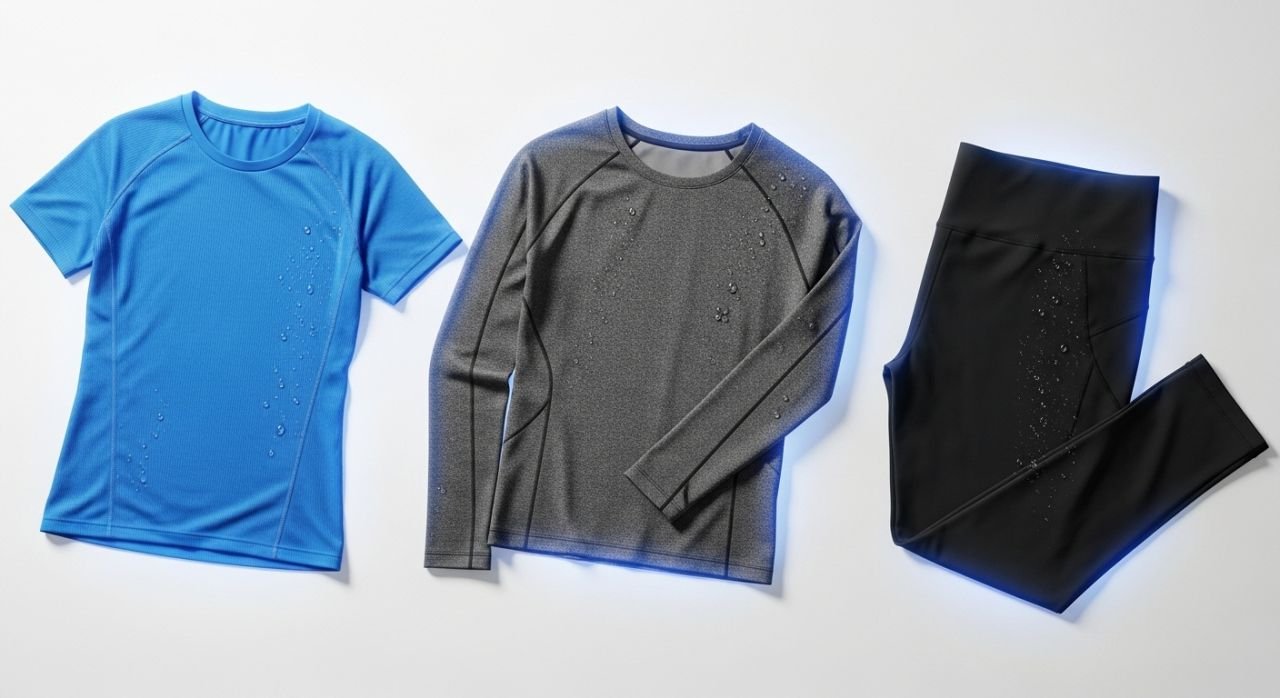
Sportswear has come a long way from the heavy cotton shirts and stiff training pants of the past. In the past, athletes wore fabrics that absorbed sweat, felt sticky, and slowed them down. Over time, as sports became faster and more demanding, fabric innovation changed everything. Today, modern sportswear is built around smart fabric solutions that help the body move better, stay dry, and perform longer. This evolution has led to advanced athletic fabric technologies that focus on comfort, durability, and performance.
At the center of this shift is moisture-wicking fabric technology, which helps pull sweat away from the skin so it can dry quickly. As a result, athletes feel cooler and more comfortable. Alongside this, compression fabric technology supports muscles, improves blood flow, and reduces fatigue during intense activity. Meanwhile, stretch fabric for sportswear allows easy movement, better fit, and freedom in every direction. Together, these high-performance sportswear fabrics create clothing that works with the body, not against it.
Understanding fabric performance is no longer optional. It is essential. For athletes, the right performance fabric for sportswear can mean better focus and fewer distractions. For brands, choosing the correct technical sportswear materials helps build trust and product quality. And for B2B buyers, fabric knowledge supports smarter sourcing decisions, fewer returns, and stronger long-term partnerships. Therefore, knowing how breathable sportswear fabric and moisture management textiles function gives businesses a clear advantage.
In this guide, we break down these fabric technologies simply and practically. You will learn how they work, why they matter, and how to choose the best option for your sportswear line. Let’s make fabric technology easy, clear, and powerful.
What Is Moisture-Wicking Fabric Technology?
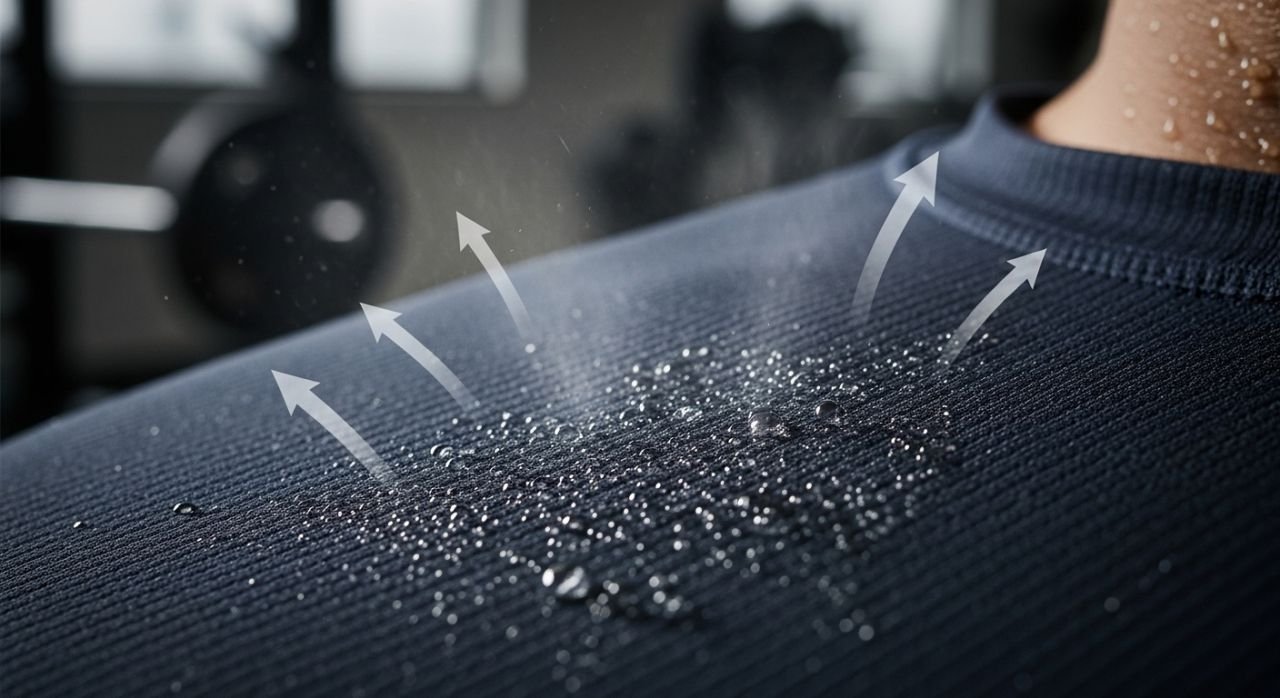
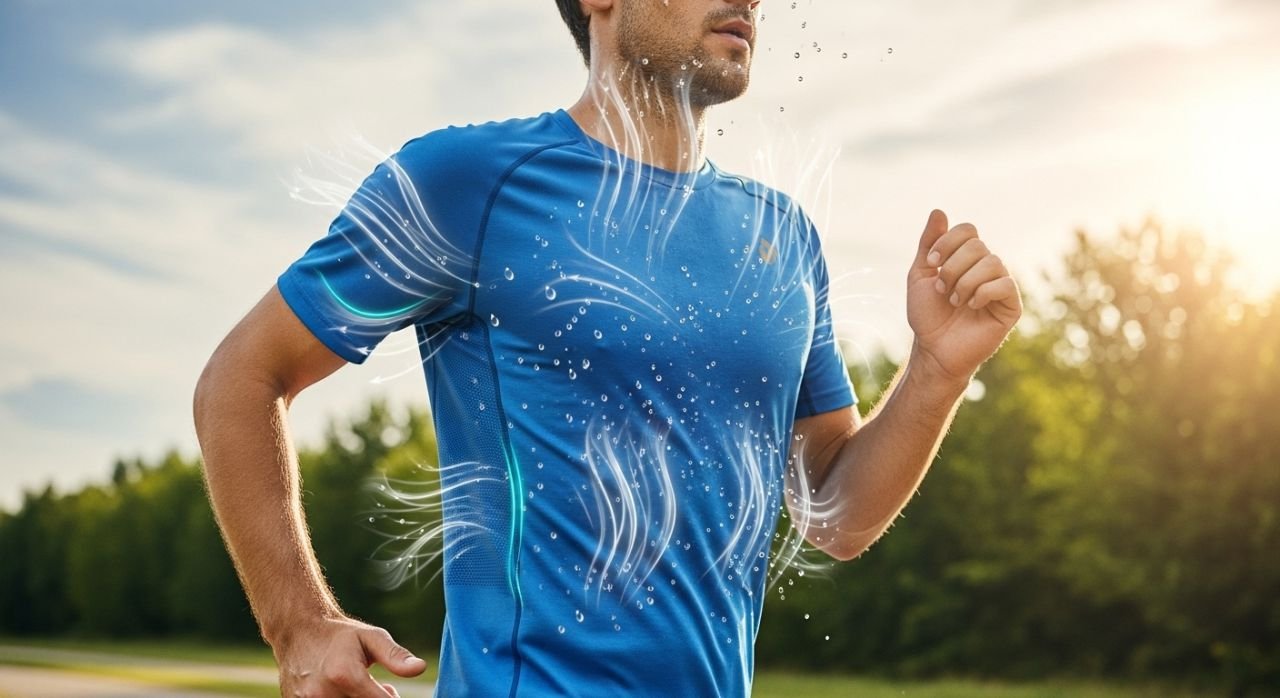
Moisture-wicking fabric technology is a smart way to keep the body dry during sports and workouts. In simple words, it is a fabric system that pulls sweat away from the skin and moves it to the outside of the garment. There, the sweat dries fast. As a result, the body feels cool, light, and comfortable. This is why performance fabric for sportswear is very different from regular clothing.
So, how does it work? Moisture management textiles use special fibers and fabric structures. These fibers do not soak up sweat. Instead, they guide moisture through tiny channels in the fabric. Then, air helps the sweat dry quickly. Because of this process, breathable sportswear fabric allows heat to escape and fresh air to flow in. Therefore, athletes can move freely without feeling wet or heavy.
Comfort is not just about feeling dry. It also affects performance. When the body stays cool, focus improves. Energy lasts longer. This makes athletic fabric technologies an important part of modern sportswear design.
Common fibers used in high-performance sportswear fabrics include polyester, nylon, and blended yarns. These fibers are strong, light, and fast-drying. Sometimes, small amounts of elastane are added for better stretch and fit. On the other hand, traditional cotton works differently. Cotton absorbs sweat and holds it. Because of this, it feels wet and takes a long time to dry.
In short, moisture-wicking vs traditional cotton fabrics is an easy choice for sports. Moisture-wicking fabrics support movement, comfort, and performance. Cotton does not. That is why modern sportswear relies on advanced technical sportswear materials to help athletes perform their best.
Key Benefits of Moisture-Wicking Fabric in Sportswear
Compression Fabric Technology Explained
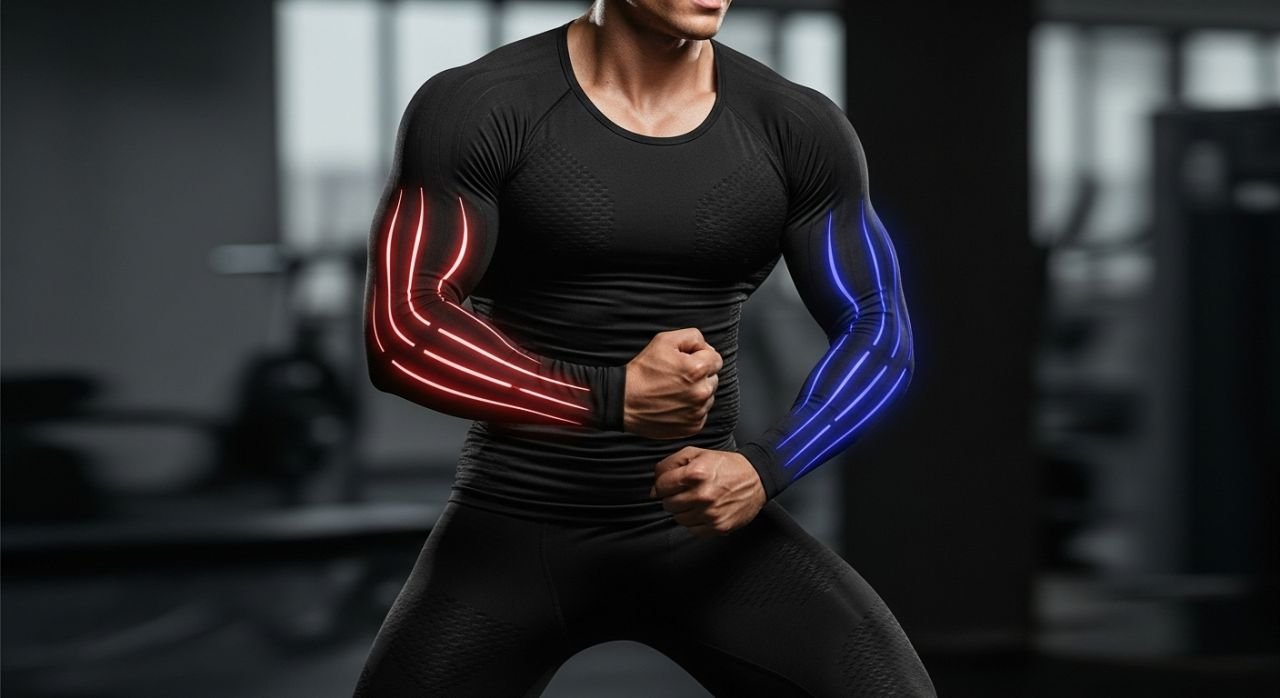
Compression fabric technology is designed to fit the body closely and gently squeeze the muscles. It may feel tight, but it is made to help the body work better during sports. These fabrics use strong, stretchy fibers that hold muscles in place. As a result, athletes feel more supported and stable while moving. When combined with moisture-wicking fabric technology, compression wear becomes even more powerful for performance.
So, how does compression help? First, it supports muscles during movement. Muscles shake less when they are held firmly. Because of this, athletes feel less tired. At the same time, compression helps improve blood flow. Better circulation means oxygen moves faster through the body. Therefore, muscles get energy more quickly and recover sooner. This is one of the key compression fabric benefits for athletes.
Comfort also plays a big role. Modern performance fabric for sportswear feels smooth and light. It does not rub or irritate the skin. Instead, it works with the body. This makes high-performance sportswear fabrics ideal for long training sessions and intense workouts.
Compression wear is popular in many sports. Runners use compression tights to support leg muscles. Gym athletes wear compression tops for strength training. Football, basketball, cycling, and even recovery wear all use athletic fabric technologies like compression. These garments help reduce muscle soreness and improve focus.
In simple terms, compression fabric is not just clothing. It is a support system. It helps athletes move better, feel stronger, and recover faster. That is why technical sportswear materials with compression features are trusted in professional and everyday sportswear.
Stretch Fabric Technology for Activewear
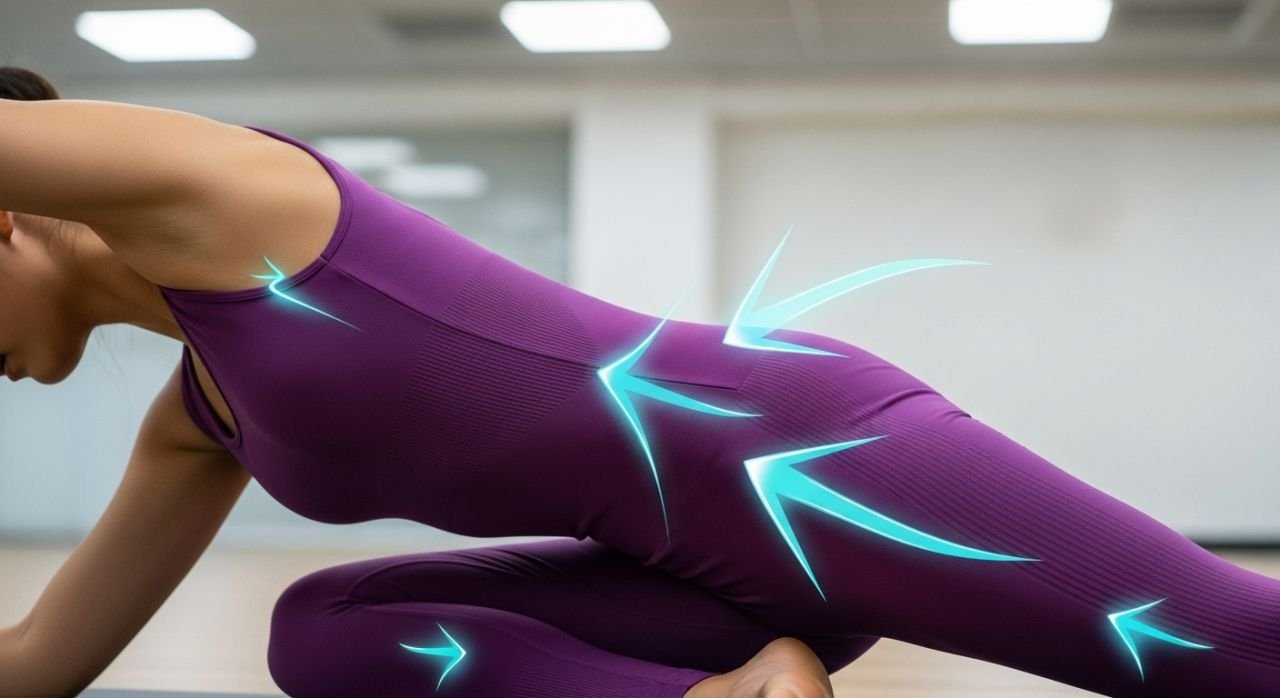
Moisture-Wicking vs Compression vs Stretch Fabric
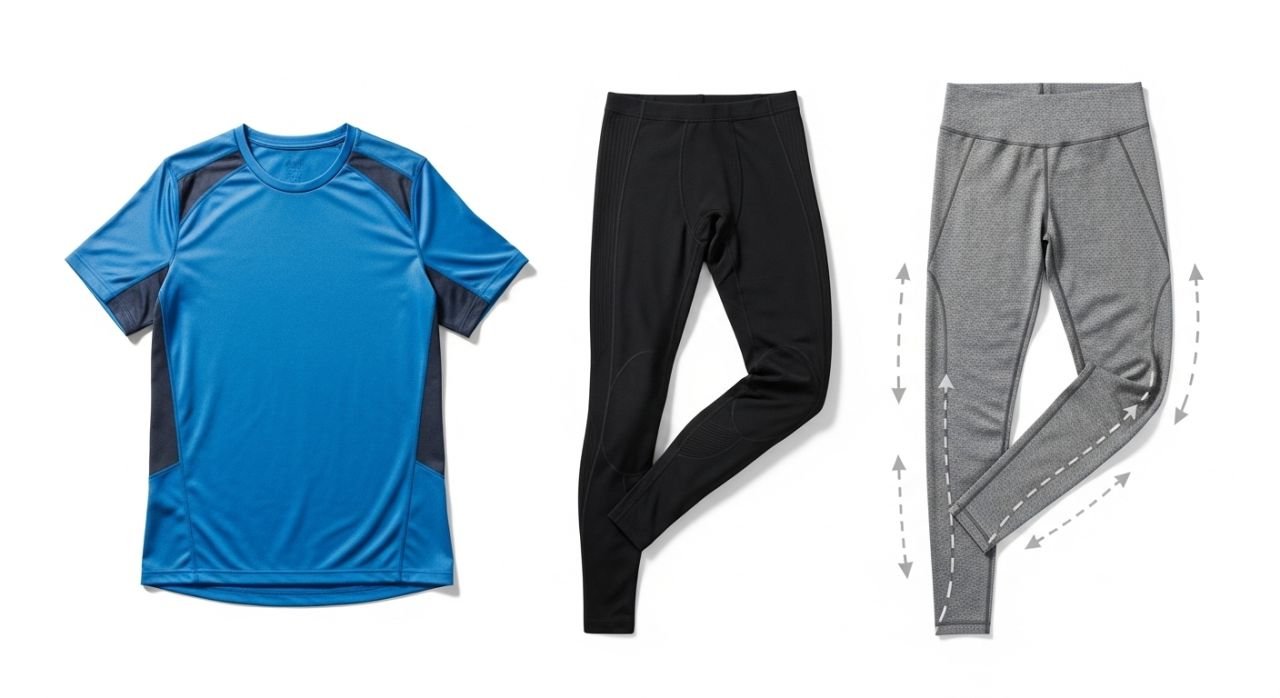
When choosing sportswear, fabric choice makes a big difference. Moisture-wicking fabric technology, compression, and stretch fabrics each have a special job. They may look similar, but they work in different ways. Understanding this helps brands and athletes pick the right performance fabric for sportswear.
First, moisture-wicking fabric keeps the body dry. It pulls sweat away from the skin and helps it dry fast. This makes breathable sportswear fabric great for hot weather, running, and long workouts. Next, compression fabric technology gently squeezes the muscles. It supports the body and improves blood flow. Because of this, athletes feel less tired and recover faster. Then, stretch fabric for sportswear allows easy movement. It bends, stretches, and returns to shape. This helps with flexibility and comfort.
So, when should you use each fabric? Use moisture-wicking fabrics for sweat control. Use compression fabrics for muscle support and recovery. Use stretch fabrics for freedom and fit. Each fabric has its own strength. That is why modern athletic fabric technologies often work best together.
Many high-performance sportswear fabrics combine two or even all three technologies in one garment. For example, a training top may use moisture-wicking fibers with stretch. A running tight may include compression and sweat control. These smart blends create better comfort and performance.
The best fabric technology depends on the activity. Running and cycling need moisture-wicking and compression. Yoga and gym training need stretch and breathability. Team sports often need all three. In the end, choosing the right technical sportswear materials helps athletes move better, feel stronger, and perform at their best.
Choosing the Right Fabric Technology for Your Sportswear Brand
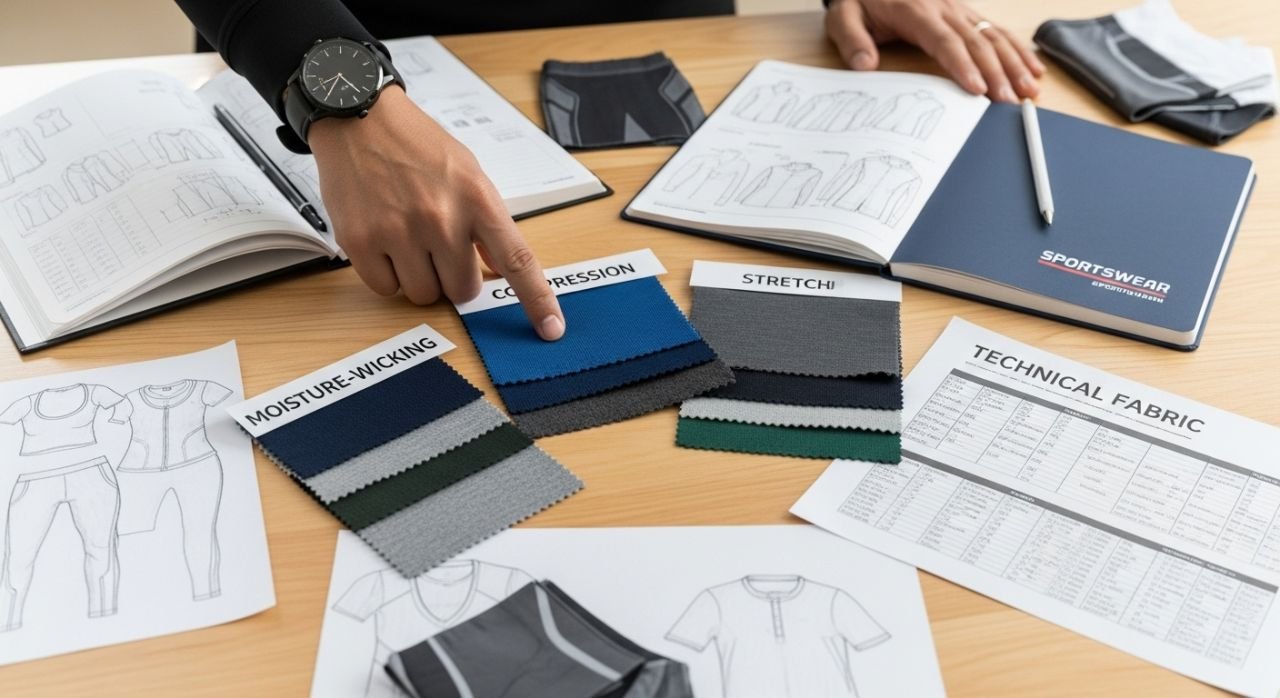
Choosing the right fabric technology is one of the most important steps for any sportswear brand. Moisture-wicking fabric technology, compression, and stretch fabrics each serve a unique purpose, but selecting the right one depends on several key factors. B2B buyers should first consider the product type, climate, and target users. For example, running or cycling gear needs breathable sportswear fabric with moisture-wicking properties, while yoga and gym wear benefits from stretch and comfort. Team sports or recovery wear often combine compression and moisture management for the best results.
Next, fabric selection for private-label or custom sportswear should focus on both performance and durability. High-quality athletic fabric technologies not only improve comfort and fit but also enhance the product’s reputation. Buyers should check fiber content, elasticity, and sweat-handling capabilities. Fabrics that dry quickly, resist odor, and maintain shape over time are essential for long-lasting satisfaction.
Equally important is working with an experienced sportswear manufacturer. Professional manufacturers understand technical sportswear materials and can guide brands to the right fabric blends. They also ensure proper construction, testing, and quality control, which helps prevent complaints and returns.
In short, the right fabric technology can make or break a sportswear line. From high-performance sportswear fabrics to moisture management textiles, every choice matters. Brands that combine smart fabric selection with expert manufacturing deliver products that athletes love and trust. By partnering with a knowledgeable manufacturer like Rompvela International, B2B buyers can create custom sportswear that performs well, looks great, and builds long-term brand value.
How Rompvela International Uses Advanced Fabric Technologies
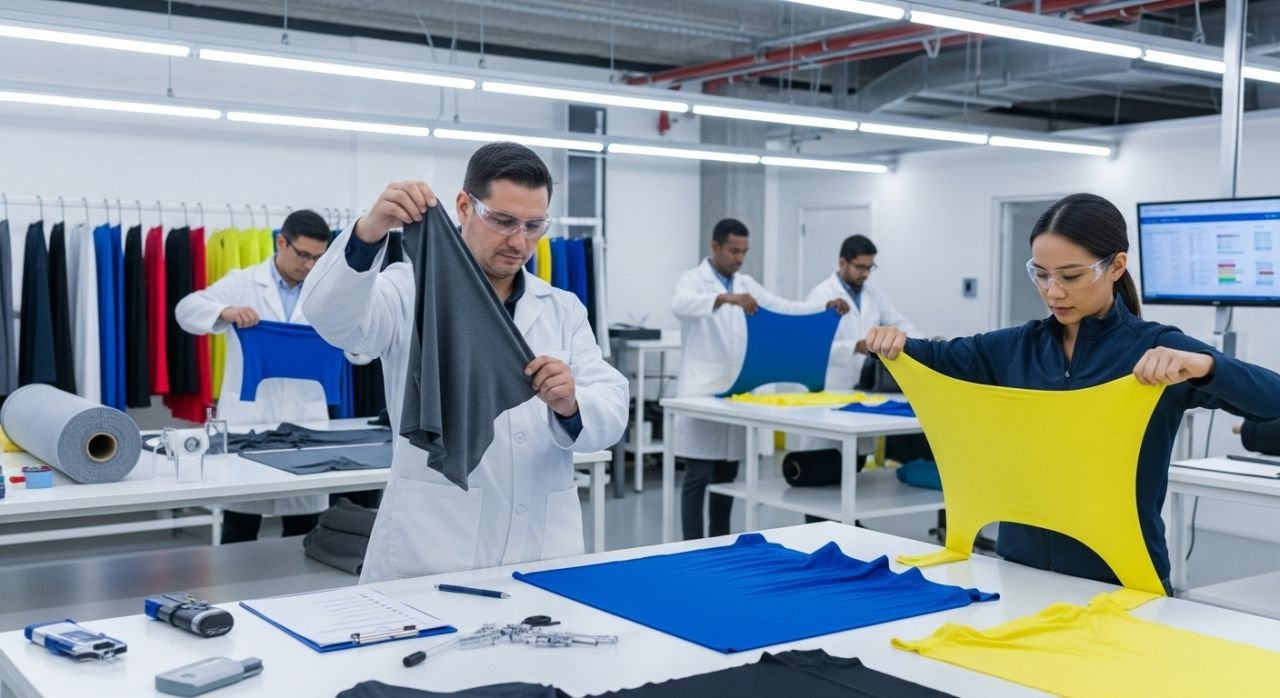
At Rompvela International, we understand that the right fabric can make all the difference in sportswear. That is why we focus on moisture-wicking fabric technology, compression, and stretch fabrics to create garments that perform at the highest level. Our goal is simple: to provide high-performance sportswear fabrics that meet the needs of athletes and brands worldwide.
We start with quality. Every fabric goes through careful testing to ensure it handles sweat, stretch, and movement the way it should. Breathable sportswear fabric is tested for moisture management, while compression fabric technology is checked for support and recovery benefits. Even stretch fabric for sportswear is assessed for durability, elasticity, and comfort. This attention to detail ensures every product feels light, flexible, and reliable.
Customization is another key part of our process. We work closely with B2B clients to design fabrics that match their specific sports, climate, and user needs. Whether it is a running tight, yoga top, or team uniform, our athletic fabric technologies are blended to deliver the best performance.
Finally, our expertise in technical sportswear materials allows us to provide global B2B clients with garments that are ready for both training and competition. By combining advanced fabrics with careful testing and thoughtful design, we help brands create sportswear that athletes love and trust.
At Rompvela International, advanced fabric technology is more than a feature—it is our commitment to performance, comfort, and quality for every sportswear product we produce.