
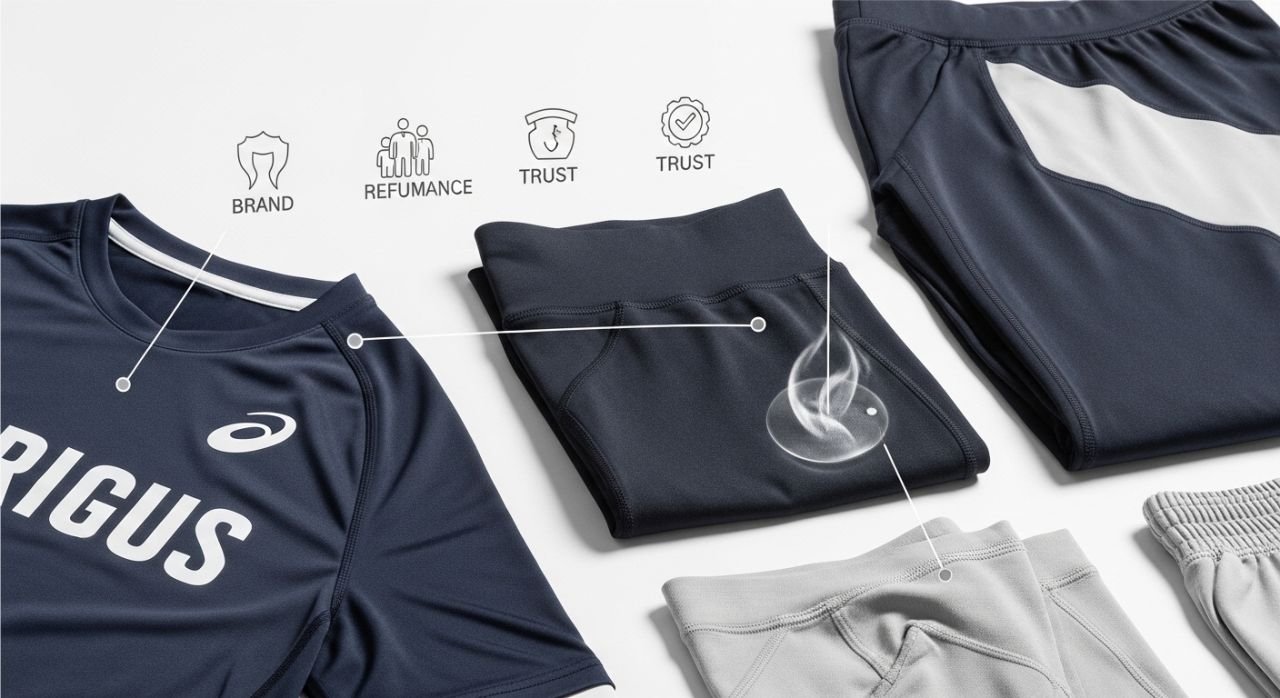
In today’s highly competitive sportswear market, brands are everywhere. New labels launch every week. Big names fight to stay on top. As a result, customers have numerous choices. So, what makes one brand stand out from another? The answer often begins with the quality of sportswear fabric. When someone touches a jersey, wears leggings, or trains in a tracksuit, the fabric speaks first. It tells a story about comfort, care, and value—before any logo does.
Sportswear fabric quality directly shapes how customers feel about a brand. If the fabric feels soft, strong, and breathable, people feel happy. As a result, they leave good reviews. They also come back to buy again. However, if the fabric fades, tears, or feels uncomfortable, trust breaks fast. Then, negative reviews appear. Slowly, brand reputation suffers. This is why high-quality sportswear fabrics matter so much in today’s activewear industry.
Good fabric also sets clear expectations. Customers expect performance that supports movement. They want durability that lasts after many washes. They look for comfort and a fit that feels right every time. Most importantly, they want to trust the brand. When a brand delivers consistent sportswear material quality, it builds confidence. Over time, that confidence becomes brand credibility.
Moreover, in the age of social media, opinions spread quickly. One bad experience can travel far. On the other hand, quality creates loyalty. People recommend brands they trust. They remember how the fabric performed. They remember how it made them feel.
In this blog, we will explore how fabric quality in sportswear shapes customer perception, protects brand image, and drives long-term success. Because in sportswear, quality is not just a feature—it is the foundation of reputation.
What Sportswear Fabric Quality Really Means
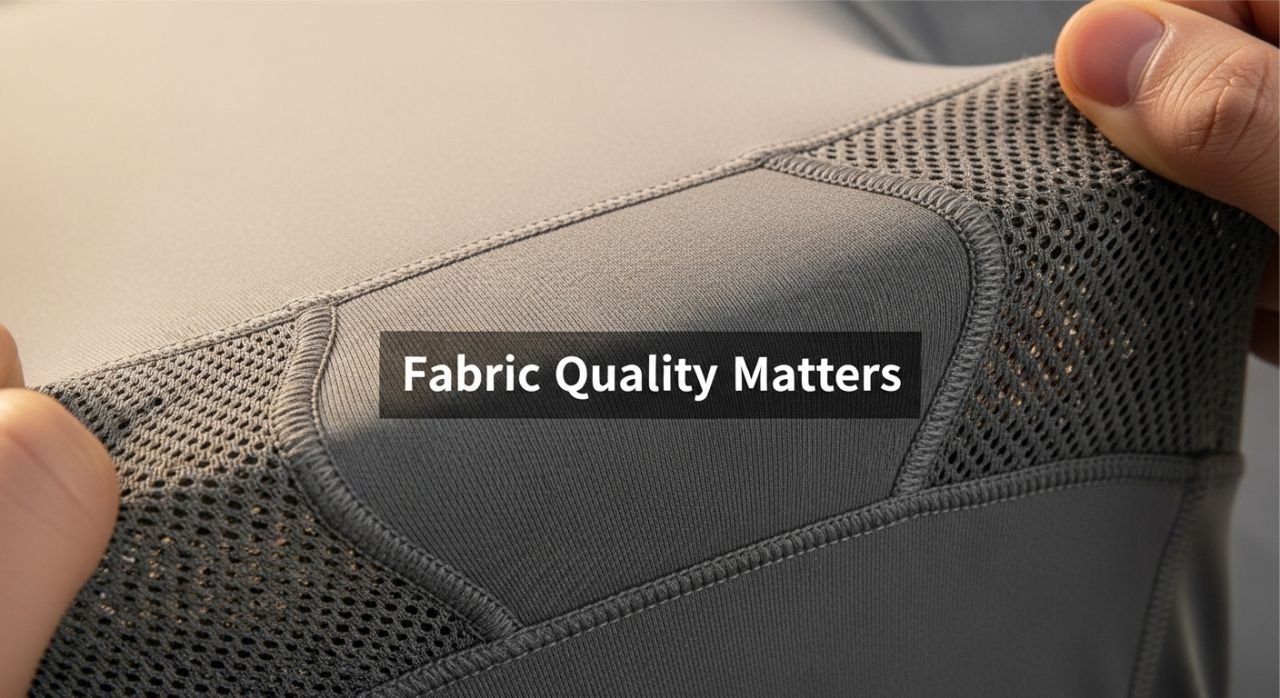
Before selling any sportswear, brands must first understand what sportswear fabric quality really means. Quality is not just about how a fabric looks. It is about how it feels, works, and lasts. In simple words, sportswear fabric quality is the heart of every good product. It shapes comfort, strength, and performance from the very first wear.
First, let’s talk about fabric composition. This means what the fabric is made of. It may include polyester, nylon, cotton, or smart blends. High-quality sportswear fabrics use the right materials for active movement. Next comes yarn quality. Strong and even yarn makes fabric smooth and long-lasting. Weak yarn breaks faster and feels rough. Then comes fabric construction. This includes knitting style, stitching, and overall build. Good construction allows fabric to stretch and recover. Poor construction leads to sagging and tearing.
Next, performance matters. Quality fabric delivers durability. It handles tough workouts and frequent washing. It also provides stretch, which helps athletes move freely. At the same time, it returns to shape. Breathability plays a big role, too. Good fabric allows air to flow. This keeps the body cool. Moisture management is just as important. Premium sportswear fabric pulls sweat away from the skin. As a result, the wearer stays dry and comfortable.
Now, let’s look at the difference between premium and low-quality sportswear fabrics. Premium fabrics feel soft but strong. They keep their color. They resist pilling. They perform well over time. Low-quality fabrics do the opposite. They fade quickly. They lose shape. They trap sweat. This lowers comfort and hurts brand trust.
Understanding sportswear fabric quality helps brands make better decisions. It supports performance. It improves durability. Most importantly, it lays the foundation for products that customers trust and remember.
How Sportswear Fabric Quality Shapes First Impressions
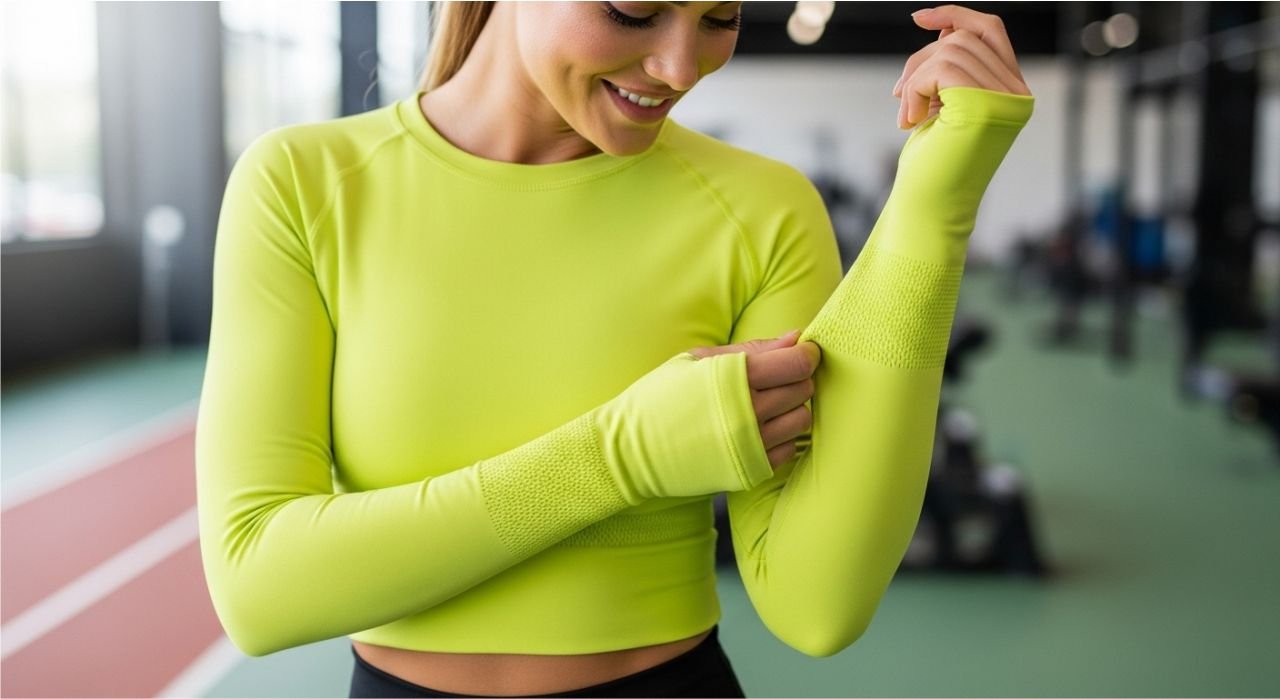
First impressions happen fast. Very fast. When someone wears sportswear for the first time, they feel it right away. This is where sportswear fabric quality plays a powerful role. Before a workout begins, the fabric already sends a message. It tells the user if the brand cares or not.
The look of the fabric comes first. Bright colors, smooth surfaces, and clean lines catch the eye. High-quality sportswear fabrics look fresh and premium. They do not wrinkle easily. They hold their shape. Next comes the feel. Soft and smooth fabric feels good on the skin. It does not itch or scratch. Then comes comfort. Good fabric moves with the body. It does not feel tight or heavy. Because of this, the wearer feels happy and confident upon first wear.
Visual details also matter. Strong stitching integrity shows care and skill. Straight seams and neat edges build trust. Loose threads and uneven stitching do the opposite. Another key factor is fabric hand-feel. This means how the fabric feels when touched. Premium sportswear fabric feels balanced. It is not too stiff. It is not too thin. This small detail makes a big difference in sportswear material quality.
Now, let’s talk about trust. First impressions shape how people think about a brand. If the fabric feels good, people believe the brand is reliable. They see higher value. They expect better performance. This raises perceived value. On the other hand, poor fabric quality lowers confidence. Even a nice design cannot fix a bad first feel. Once trust is broken, it is hard to win back.
In today’s market, customers share opinions quickly. One good experience leads to praise. One bad experience leads to doubt. That is why fabric quality in sportswear is so important at first touch. It sets the tone for the whole brand story.
When brands invest in high-quality sportswear fabrics, they create positive first moments. These moments grow into trust. And trust turns first-time buyers into long-term fans.
Read Also: Choosing the Right Fabric for High-Performance Sportswear
Fabric Quality and Performance Expectations in Sportswear
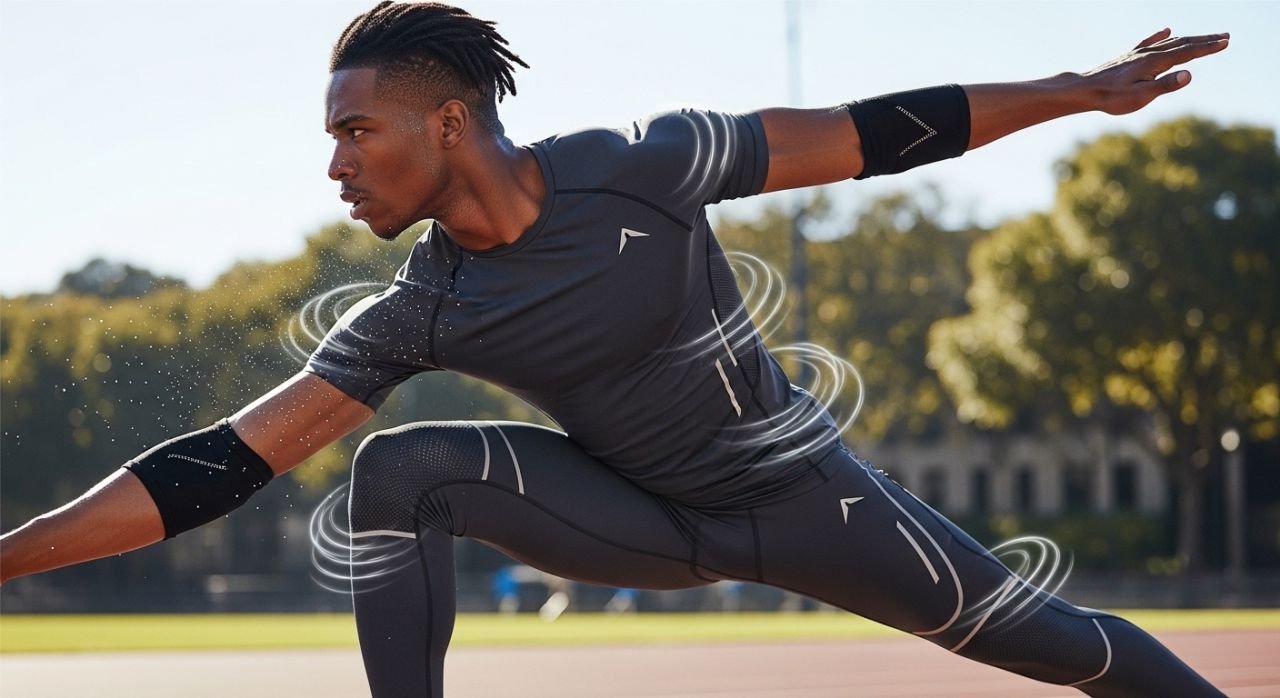
When people wear sportswear, they expect it to work. They run. They stretch. They sweat. Because of this, sportswear fabric quality must support every move. Performance is not a bonus. It is a promise. If the fabric fails, the brand fails too.
First, let’s talk about sweat management. During activity, the body heats up. Good fabric pulls sweat away from the skin. This is called moisture management. It keeps athletes dry. It also keeps them comfortable. Poor fabric traps sweat. It feels heavy and sticky. This quickly ruins the experience. Next is breathability. High-quality sportswear fabric lets air flow in and out. As a result, the body stays cool. Then comes stretch recovery. Good fabric stretches when needed and snaps back into shape. It does not sag or lose fit. This is key to performance fabric quality.
Now, let’s see how quality affects results. High-quality performance fabrics help athletes move freely. They reduce distraction. They support focus. When clothing feels right, athletes perform better. This applies to both beginners and professionals. Strong sportswear material quality supports endurance, speed, and comfort. It becomes part of the athlete’s success.
However, poor fabric performance causes problems. Fabric that overheats, tears, or loses shape creates frustration. Athletes feel uncomfortable. They lose trust. Soon, negative reviews appear. This leads to bad brand experiences. Over time, fabric quality in sportswear directly affects brand reputation and loyalty.
Fabric Quality for Training vs Competition Wear
Training wear must handle daily use. It needs extra durability and comfort. Competition wear needs a lighter fabric and faster sweat control. Both require strong fabric performance standards.
Performance Standards Expected by Modern Athletes
Today’s athletes expect more. They want stretch, strength, and breathability in one fabric. They want clothing that keeps up with them.
When brands meet these expectations, they build trust. When they don’t, they lose it. That is why sportswear fabric quality is the key to performance and reputation.
The Link Between Fabric Durability and Brand Reputation
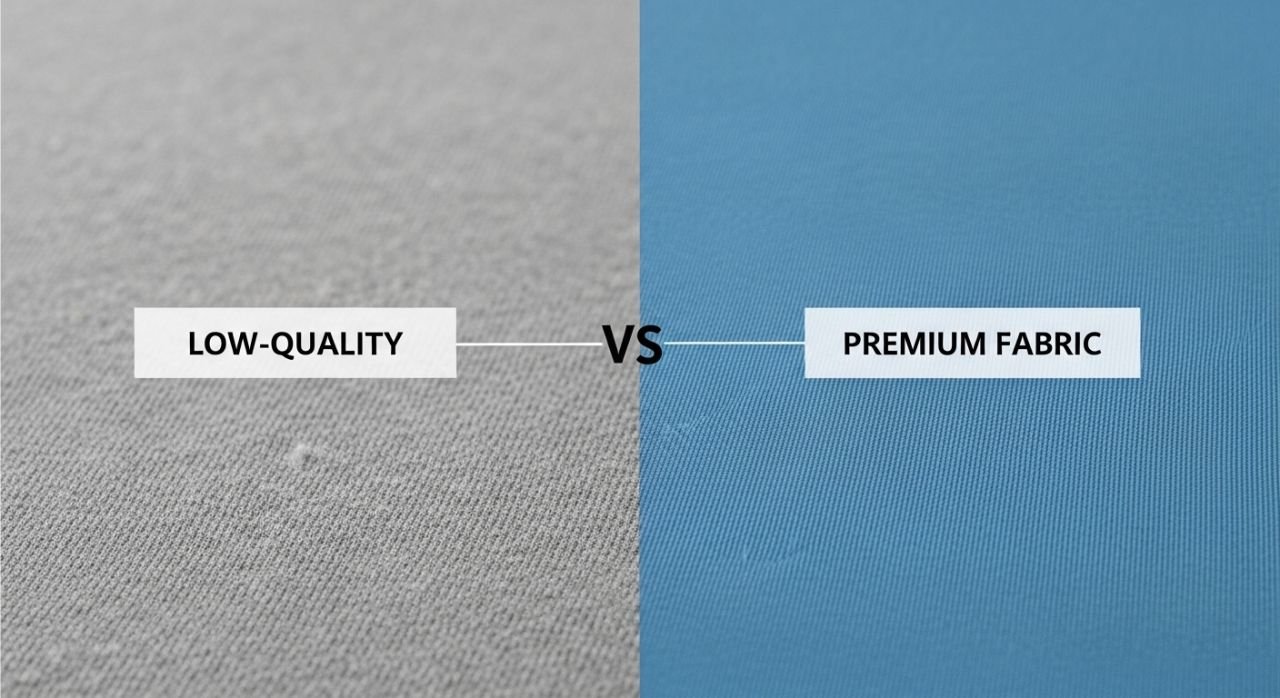
When it comes to sportswear, durability matters as much as design. Customers notice when clothes fade, pill, shrink, or break. That is why sportswear fabric quality is so closely tied to brand reputation. Durable fabrics keep products looking new, feeling comfortable, and performing well—even after many washes and workouts. Without this, even the best designs can fail.
First, let’s look at common durability issues. Color fading makes clothes look old fast. Pilling, when little balls of fiber form on the fabric, feels rough and cheap. Shrinkage changes the fit. And fabric breakdown, like tearing or losing stretch, ruins usability. All of these problems signal low-quality materials. Customers notice immediately. They feel disappointed. This directly affects how they perceive the brand.
Durability also impacts business costs. Poor fabric leads to returns and complaints. Shipping back items costs money. Handling refunds and replacements takes time. Plus, bad experiences generate negative reviews online. Today, customers share their opinions fast. One bad review can reach hundreds of people. Over time, repeated issues damage brand trust and reduce repeat business.
On the other hand, durable sportswear fabrics protect long-term brand image. When fabrics retain color, shape, and comfort, customers feel confident. They trust that the brand delivers consistent quality. They recommend the products to friends. They come back to buy again. High-quality fabrics show that the brand cares about both performance and customer satisfaction. This builds a strong, positive reputation that lasts.
Investing in durable materials is more than a technical choice. It is a brand strategy. It signals reliability, professionalism, and attention to detail. Strong, long-lasting fabrics make sportswear brands stand out in a crowded market. They turn first-time buyers into loyal customers. Most importantly, they create trust that grows with every wear.
For brands, choosing premium sportswear fabrics is essential. It reduces problems, improves perception, and strengthens reputation. Because in the sportswear industry, durability is not just a feature—it is a promise that the brand keeps.
How Low-Quality Fabrics Damage Sportswear Brands
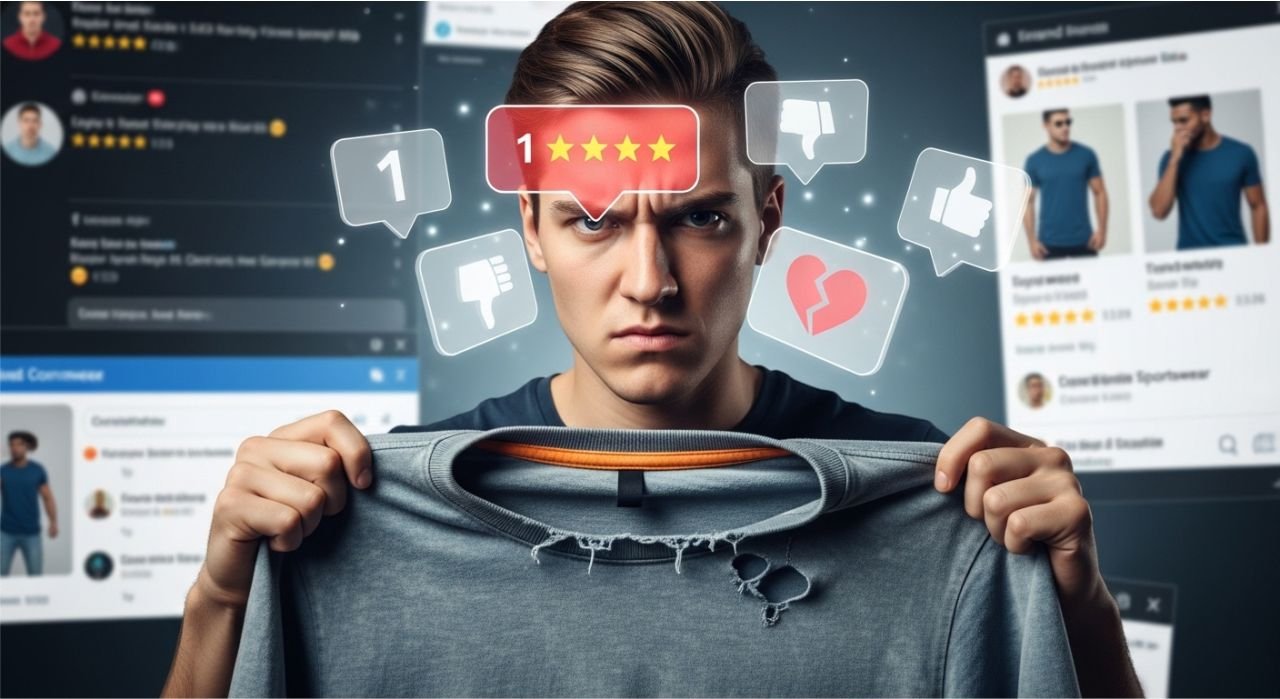
Not all fabrics are created equal. When brands use low-quality sportswear fabrics, problems appear quickly. Even the best designs can fail if the material does not meet expectations. Sportswear fabric quality is more than comfort—it shapes trust, performance, and brand reputation. Without it, customers notice, and brands pay the price.
One of the first issues is inconsistent sizing and comfort problems. Poor fabrics stretch unevenly or shrink after washing. They may feel tight in some areas and loose in others. This creates frustration. Customers cannot rely on the clothing for workouts or competitions. When comfort fails, the user experience suffers, and trust erodes.
Low-quality fabrics also hurt social proof. Today, reviews, word-of-mouth, and social media influence buyers instantly. If clothes fade, pill, or lose shape, customers share negative feedback. One unhappy user can discourage dozens of potential buyers. Over time, these poor reviews damage the brand’s online presence. Even high-quality designs cannot make up for bad fabric performance. This shows how critical premium sportswear fabrics are for maintaining a positive image.
The long-term effects are especially dangerous for private-label brands and startups. Emerging brands rely on customer trust to grow. Fabric quality in sportswear directly impacts repeat business, loyalty, and referrals. Low-quality materials create complaints, returns, and weak brand perception. For new businesses, this can stall growth and limit market opportunities. Established brands may recover, but startups can lose credibility before gaining traction.
Investing in high-quality fabrics is not optional. It protects customer experience, reduces complaints, and strengthens brand identity. Strong fabrics provide consistent sizing, comfort, and performance, making customers feel confident and valued. They also ensure that positive social proof spreads, helping brands grow.
In conclusion, low-quality fabrics are not just a technical flaw—they are a brand risk. Choosing the right sportswear fabric quality safeguards reputation, builds trust, and supports long-term success. Brands that prioritize quality turn first-time buyers into loyal advocates, while low-quality fabrics can quietly erode even the most promising sportswear business.
Fabric Quality as a Competitive Advantage for Sportswear Brands
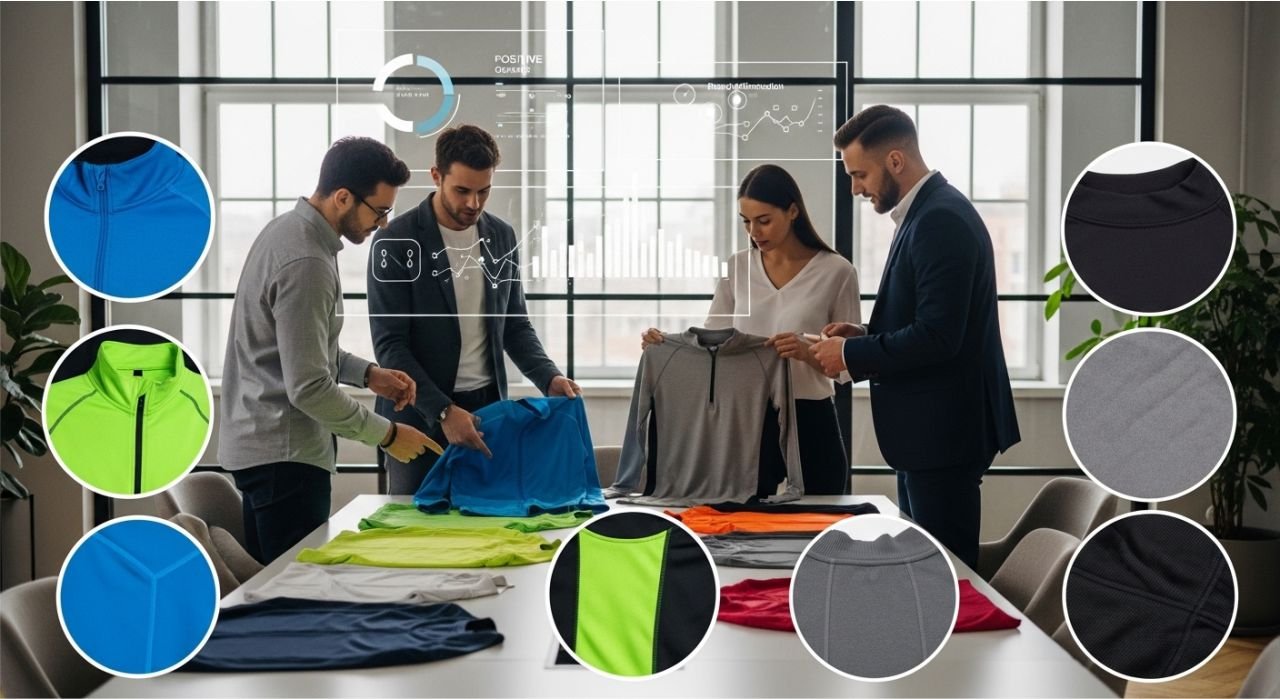
In today’s crowded sportswear market, brands need an edge to stand out. One of the most powerful ways to do this is through sportswear fabric quality. High-quality fabrics do more than feel good—they shape perception, performance, and trust. They can position a brand as premium, reliable, and professional, giving it a clear advantage over competitors.
First, let’s look at brand positioning. Sportswear made with strong, durable, and comfortable fabrics signals value. Customers immediately see the difference between cheap and premium products. When a brand consistently delivers high-quality sportswear fabrics, it builds a reputation for reliability. This trust allows brands to command higher prices without losing buyers. That is pricing power in action. Customers are willing to pay more for products they know will perform, last, and feel comfortable.
Next, fabric quality drives customer loyalty. When athletes and active users experience soft, breathable, and durable sportswear, they come back for more. They recommend the brand to friends, family, and teammates. Positive experiences create word-of-mouth marketing that money cannot buy. This strengthens the brand’s long-term value in the market.
Fabric quality also enhances brand storytelling and marketing. Every product tells a story. Premium fabrics allow brands to highlight performance, innovation, and care. Marketing messages become more believable because the fabric proves the promise. Customers see, touch, and feel the difference. This makes campaigns more effective and memorable.
Read Also: Moisture-Wicking, Compression & Stretch: Fabric Technologies Explained
Fabric Quality and Brand Differentiation
High-quality materials separate a brand from competitors. In a market filled with generic options, durable and comfortable fabrics create unique selling points. They show attention to detail and a commitment to excellence.
Aligning Quality with Brand Promise
Brands that match fabric quality with their promise build credibility. Every product becomes a testament to the brand’s values, creating consistent experiences that inspire trust.
In short, sportswear fabric quality is not just a technical detail—it is a strategic advantage. It boosts positioning, strengthens loyalty, and makes marketing more authentic. Brands that invest in quality fabrics build both better products and stronger reputations, leaving competitors behind.
Why B2B Buyers Must Prioritize Fabric Quality When Choosing a Manufacturer
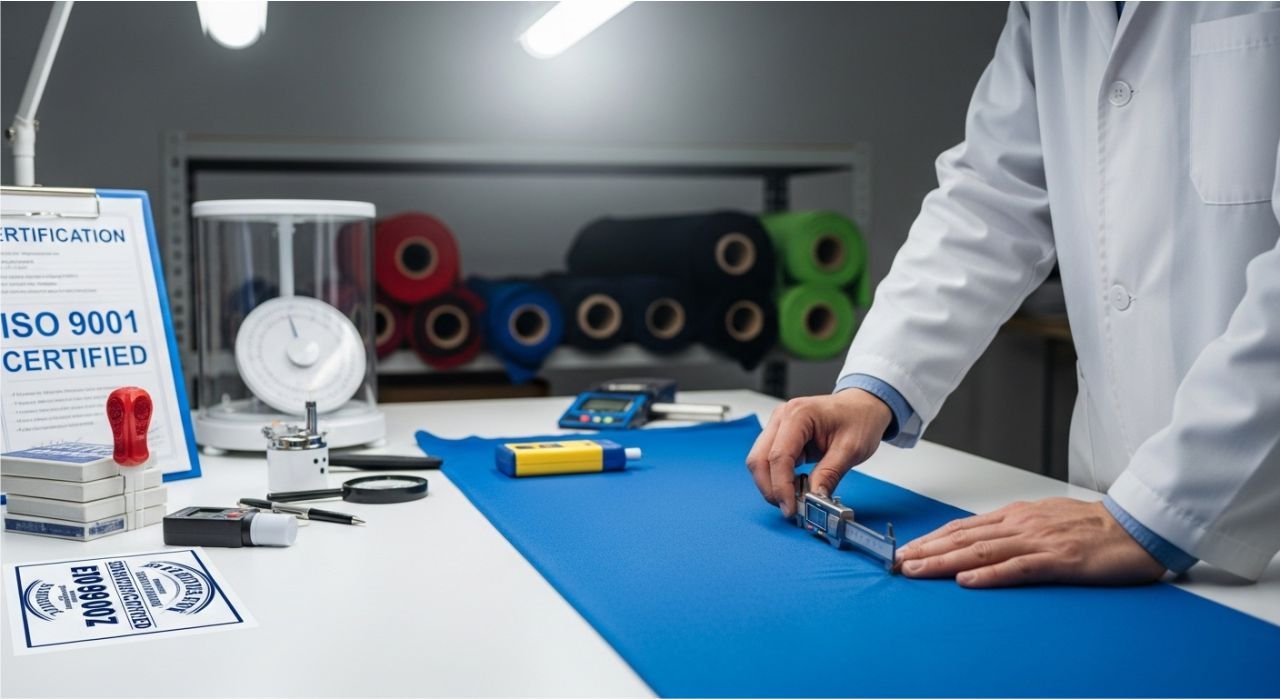
For B2B buyers, selecting the right manufacturer is more than a cost decision—it is a brand-building choice. When it comes to sportswear, the quality of the fabric directly impacts customer satisfaction, product performance, and long-term reputation. Choosing the wrong fabrics or a careless manufacturer can damage trust before the first product even reaches the market.
One key factor is sourcing transparency. Buyers need to know where the fabric comes from. Transparent manufacturers provide clear information about raw materials, production processes, and supply chains. This ensures the fabrics meet expectations for durability, comfort, and performance. Without transparency, brands risk low-quality fabrics, delayed shipments, and inconsistent products, all of which hurt brand credibility.
Next comes fabric testing, certifications, and quality control. High-quality sportswear fabrics are tested for strength, stretch, color retention, and moisture management. Certifications prove the fabric meets industry standards. Regular quality checks at every stage of production prevent defects and inconsistencies. This means that buyers receive garments that perform well, last long, and align with customer expectations. When fabrics fail these tests, it can lead to returns, complaints, and negative reviews, harming both the product and the brand’s reputation.
Experienced manufacturers play a critical role in maintaining fabric standards. They know how to source premium materials, conduct proper testing, and ensure consistent quality across large orders. Their expertise prevents common mistakes like shrinkage, pilling, or uneven stitching. By working with skilled manufacturers, B2B buyers can focus on marketing and sales, confident that the products will reflect their brand promise.
Ultimately, prioritizing fabric quality is a strategic decision. It safeguards performance, protects brand reputation, and strengthens trust with end customers. B2B buyers who choose experienced, quality-focused manufacturers set their brands up for long-term success.
Investing in high-quality sportswear fabrics is not just a production choice—it is a competitive advantage. When buyers partner with reliable manufacturers, every garment tells a story of care, durability, and premium performance, reinforcing brand value in a crowded market.
Read Also: Sustainable Fabrics in Sportswear Manufacturing: What Buyers Should Know
How Reliable Manufacturers Ensure Consistent Sportswear Fabric Quality
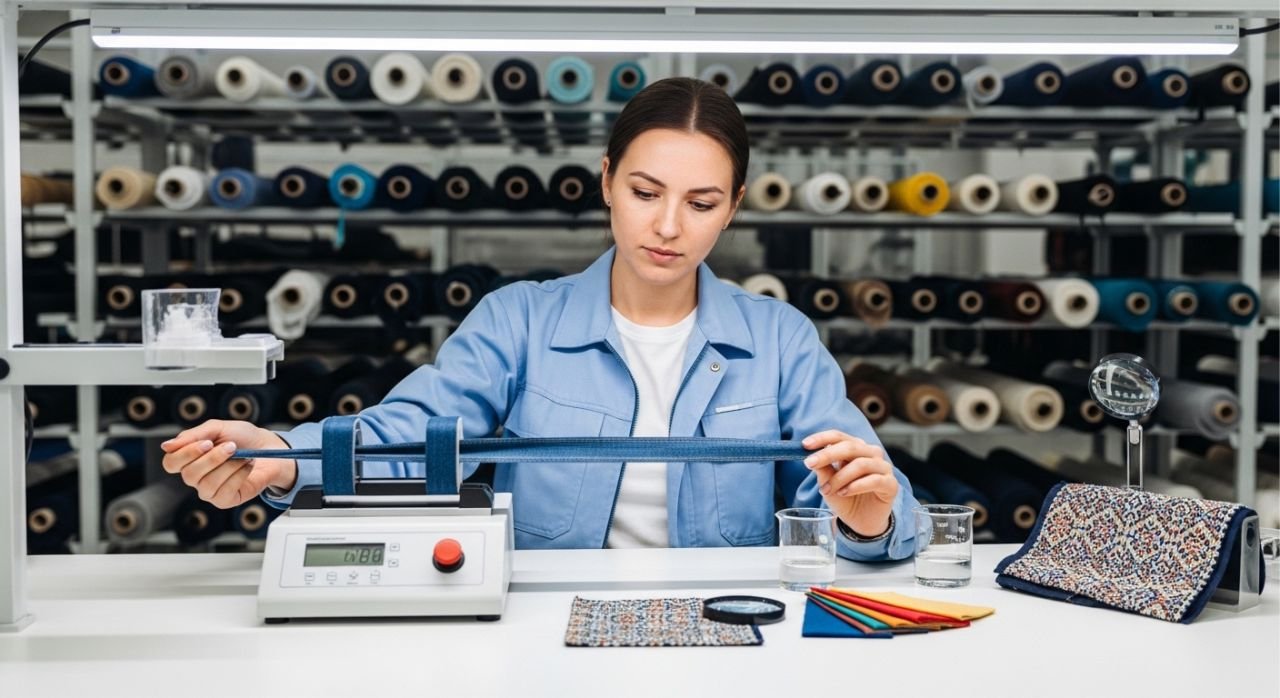
Consistency is everything in sportswear. Brands rely on manufacturers to deliver garments that feel, look, and perform the same every time. This is why sportswear fabric quality depends heavily on reliable manufacturing partners. Without strict processes and careful sourcing, even premium designs can fail to meet expectations.
One key step is fabric inspection and testing. Experienced manufacturers check every batch of material before production begins. They test for stretch, durability, color retention, and moisture management. Fabrics that fail these tests never reach the production line. Ongoing inspections during production ensure that seams, stitching, and finish match high-quality standards. This systematic approach guarantees that every piece of sportswear performs as promised.
Next, manufacturers focus on supplier selection and quality checks. Choosing the right supplier is critical. Top manufacturers work only with trusted suppliers who provide high-quality yarns, fibers, and fabrics. Regular quality audits and performance reviews help maintain consistency. This prevents problems like shrinkage, fading, or uneven texture. Buyers can trust that every order meets expectations because the supplier and manufacturer work together to uphold standards.
Finally, long-term relationships matter more than short-term sourcing. Manufacturers who invest in long-term partnerships with suppliers can monitor quality closely, negotiate better materials, and ensure a consistent supply. In contrast, short-term sourcing often leads to inconsistent fabrics, missed deadlines, and quality fluctuations. Reliable manufacturers prioritize stable relationships, which protect brand reputation and customer trust.
By combining thorough testing, careful supplier selection, and strong partnerships, manufacturers ensure sportswear fabric quality stays consistent across every batch. This not only improves product performance but also strengthens brand credibility. Customers notice when fabrics feel soft, breathable, and durable. They trust the brand more, leave positive reviews, and return for future purchases.
In short, consistency is the backbone of premium sportswear. Reliable manufacturers provide the structure, expertise, and processes needed to maintain fabric quality. When brands partner with experienced manufacturers, every garment reflects excellence, performance, and durability, giving sportswear brands a competitive edge in a crowded market.
Final Thoughts: Fabric Quality Builds Brands That Last
In the end, one thing is clear. Sportswear fabric quality shapes everything. It builds trust. It improves performance. It protects longevity. When fabrics feel good, work well, and last long, customers feel confident. They trust the brand. They share good reviews. They return again and again. This is how strong sportswear brands grow.
Good fabric helps athletes move better. It stays strong after many washes. It keeps colors bright. It feels comfortable every day. Because of this, high-quality sportswear fabrics support both the user and the brand. On the other hand, weak fabric causes damage. It leads to complaints. It hurts brand image. So, quality always wins.
That is why quality fabrics are not a cost. They are an investment. They save money over time. They reduce returns. They protect your name in the market. Most importantly, they help brands stand tall in a crowded sportswear industry. Smart brands know this. They choose premium fabric for sportswear from the start.
Now is the time to act. Looking to build a trusted sportswear brand? Start with fabric quality. Choose partners who care about materials, testing, and consistency. Choose manufacturing that puts quality first.
At Rompvela International, we believe fabric quality is the heart of every great product. We work closely with B2B buyers. We focus on quality-driven sportswear manufacturing. We help brands create apparel that performs, lasts, and builds trust.
So, if you want reliable production and strong brand value, take the next step. Contact Rompvela International to discuss premium fabric options for your brand.
Because great brands begin with great fabric—and great fabric builds reputations that last.