
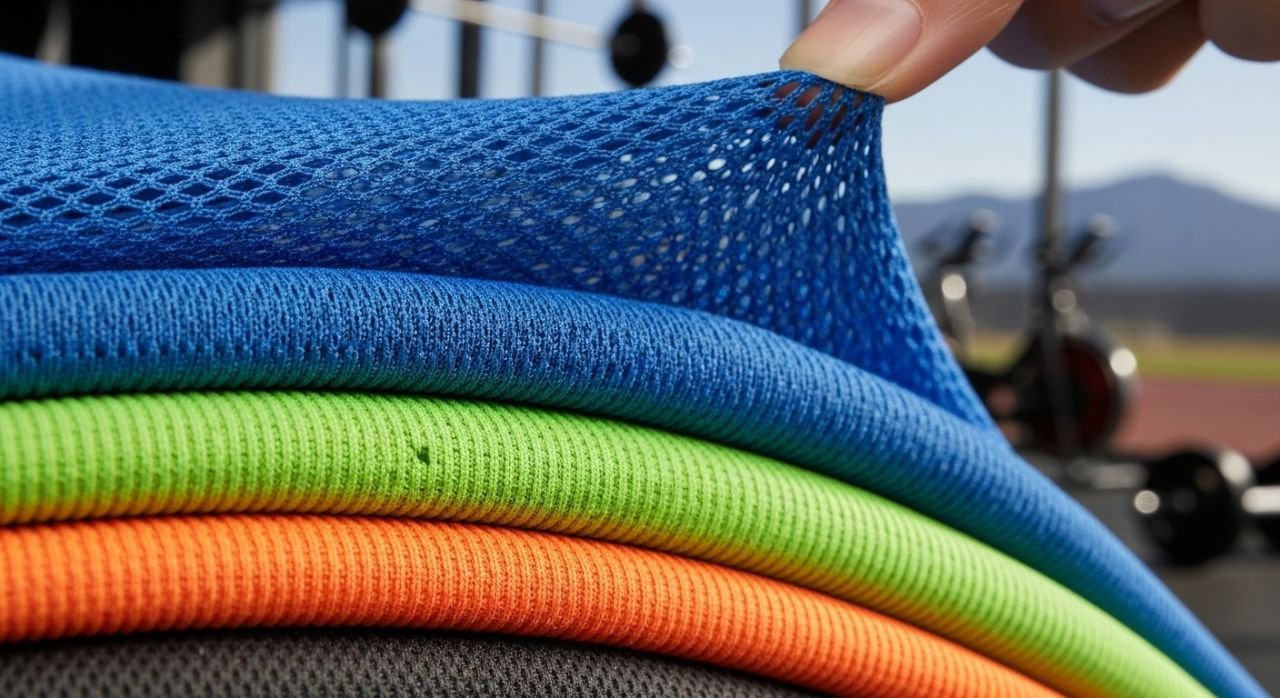
In today’s sports and fitness world, fabric is the real game-changer. It is not just about colors or style. The right fabric can boost athletic performance and protect your brand’s reputation. Athletes want clothes that feel light, soft, and free. That is why choosing the right high-performance sportswear fabric matters so much.
The demand for advanced sportswear textiles is growing rapidly. Brands and buyers seek moisture-wicking fabrics, breathable sportswear materials, and stretchy fabrics for activewear. They want sportswear that keeps athletes dry, cool, and comfortable. At the same time, customers expect strong and durable products that last long. Because of this, smart sportswear fabric selection directly affects comfort, durability, and customer satisfaction.
If the fabric traps sweat or feels rough, athletes feel unhappy. However, when brands use the right performance fabric for sportswear, they build trust. They also create loyal customers. That is why understanding fabric technology in sportswear is no longer a choice. It is a business need for growing brands.
In this guide, you will learn what makes a fabric high-performance, which materials work best, and how to avoid common mistakes. You will also discover how to choose the right athletic wear fabric for your products. So, let’s explore how smart fabric choices can power your next winning sportswear collection.
What Makes a Fabric “High-Performance” in Sportswear?
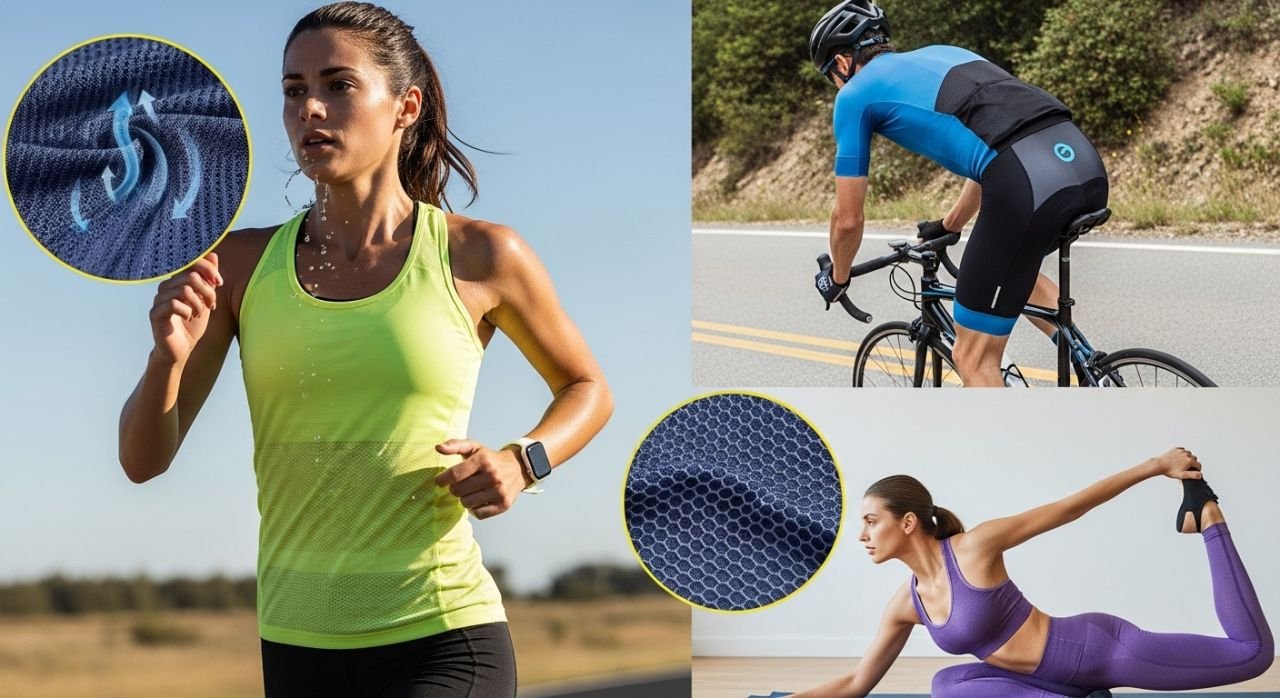
A performance fabric for sportswear is not an ordinary cloth. It is a smart material made to help athletes move better and feel comfortable. In simple words, high-performance sportswear fabric works hard while the athlete plays, runs, or trains. It keeps the body cool, dry, and free. That is why brands must understand what makes a fabric truly high-performance.
First, these fabrics meet core functional needs. They manage sweat. They allow air to pass through. They stretch without tearing. They also stay strong after many washes. Today, fabric technology in sportswear has changed a lot. In the past, sportswear was heavy and slow to dry. Now, advanced sportswear textiles are light, soft, and fast-drying. Because of this, modern athletes expect more from their clothing. Brands that meet these expectations build trust and loyalty.
Key Performance Properties Buyers Should Know
- Moisture-wicking fabric pulls sweat away from the skin. This keeps athletes dry and happy.
- Breathability and ventilation let fresh air flow. So, the body stays cool during workouts.
- Stretch and flexibility allow free movement. This is important for gym wear and activewear.
- Quick-dry capability helps sportswear dry fast after washing or sweating.
- Durability for long-term wear ensures products last longer and keep their shape.
When all these features work together, the result is a powerful athletic wear fabric. Therefore, smart sportswear fabric selection is key for every successful sportswear brand.
Popular Types of High-Performance Sportswear Fabric
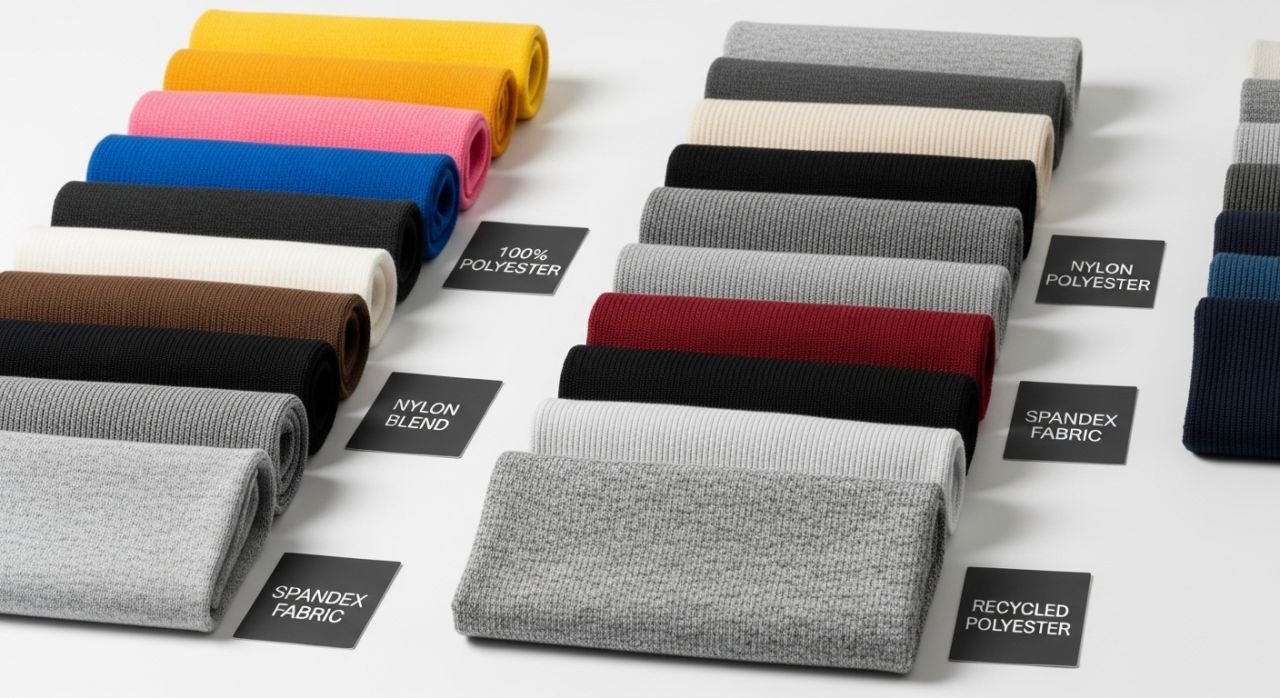
Sportswear is only as good as the fabric used to make it. No matter how stylish a design looks, it will fail if the material cannot handle sweat, movement, and repeated use. That is why choosing the right high-performance sportswear fabric is one of the most important steps for any sportswear brand. Today’s athletes want clothing that feels light, dries fast, stretches well, and lasts long. As a result, modern fabric technology in sportswear has introduced many smart materials made for active lifestyles.
In this section, we will explore the most commonly used advanced sportswear textiles. Each fabric type has its own strengths. Understanding them helps brands make better sportswear fabric selection decisions. It also helps B2B buyers choose the best athletic wear fabric for their product lines. Let’s look at the top materials used in performance-driven sportswear.
Polyester and Blended Performance Fabrics
Polyester is the most popular performance fabric for sportswear. It is light. It is smooth. It feels soft on the skin. Most importantly, it works very well as a moisture-wicking fabric. This means it pulls sweat away from the body and pushes it to the outer surface. Then the sweat dries fast. So, athletes stay cool and dry.
Polyester is also strong. It does not wrinkle easily. It keeps its shape after many washes. That is why it is used in gym wear, running shirts, and team uniforms. However, many brands now use polyester blends. They mix polyester with cotton, spandex, or nylon. This creates breathable sportswear material with extra comfort and flexibility.
Because of its lightweight feel and easy care, polyester remains a top choice in sportswear fabric selection. It also works well for sublimation printing. Therefore, it is perfect for custom designs and team branding. Brands that choose quality polyester fabrics enjoy better product performance and fewer customer complaints.
Nylon-Based Sportswear Materials
Nylon is another powerful fabric used in high-performance sportswear collections. It is known for its strength. It resists tearing. It also handles friction very well. This means it has excellent abrasion resistance. So, nylon is perfect for sports that involve rough movement or contact.
Nylon feels smooth and silky. It is also very light. At the same time, it offers great breathability and ventilation. Air can pass through easily. This keeps the body cool during intense activity. Because of this, nylon-based fabrics are often used in leggings, compression wear, and outdoor sportswear.
Another big advantage is durability. Nylon lasts long. It does not lose shape quickly. It does not fade easily. This makes it a smart choice for durable sportswear textiles that must survive daily training and frequent washing.
Many brands combine nylon with spandex. This creates a fabric that is both strong and stretchy. Therefore, nylon-based fabrics help brands deliver premium-quality products that athletes trust.
Spandex and Compression Fabrics
Spandex is the secret behind stretch. It is also called elastane or Lycra. Even a small amount of spandex in fabric can create amazing flexibility. That is why stretch fabric for activewear almost always includes spandex.
Spandex allows sportswear to move with the body. It hugs the skin. It supports muscles. It helps improve movement during exercise. This makes it ideal for yoga wear, gym leggings, compression tops, and cycling suits.
Compression fabrics are special blends that use spandex with polyester or nylon. They fit tight. They support muscles. They help reduce fatigue. They also improve blood flow during workouts. Because of this, compression wear has become a key part of modern fabric technology in sportswear.
Another benefit is comfort. Spandex fabrics feel soft. They do not restrict movement. They return to their original shape after stretching. So, garments keep their fit over time. This improves customer satisfaction and reduces product returns.
For brands, spandex-based materials allow creative designs and body-hugging styles. They also meet the demand for flexible and functional athletic wear fabric in today’s market.
Eco-Friendly and Recycled Fabric Options
Sustainability is now a big trend in sportswear. Many buyers want clothing that performs well and also protects the planet. Because of this, eco-friendly sportswear fabrics are growing fast in demand.
Recycled polyester is made from plastic bottles. Recycled nylon comes from old fishing nets or waste materials. These fabrics offer the same strength and moisture control as regular performance fabrics. However, they reduce environmental impact. This makes them perfect for modern brands that care about sustainability.
Organic cotton blends, bamboo fabrics, and biodegradable textiles are also becoming popular. They feel soft. They are skin-friendly. They support green business values. Many B2B buyers now look for sportswear fabric sourcing options that match their sustainability goals.
Using eco-friendly materials is not just good for the planet. It is also good for brand image. Customers trust brands that show responsibility. Therefore, sustainable high-performance sportswear fabric helps businesses stand out in a crowded market.
Choosing the Right Fabric for Your Brand
Each fabric type serves a different purpose. Polyester manages sweat. Nylon offers strength. Spandex provides stretch. Eco-friendly fabrics support sustainability. When used wisely, these materials help create powerful sportswear products.
The key is understanding your product’s function. Gym wear needs stretch. Outdoor wear needs durability. Teamwear needs print-friendly fabrics. Once you know the goal, sportswear fabric selection becomes easier.
At the same time, working with the right manufacturer ensures access to tested and reliable advanced sportswear textiles. This reduces risks and improves product quality.
In the end, the best sportswear brands succeed because they choose the right high-performance sportswear fabric. They focus on comfort, durability, and innovation. And most importantly, they listen to what athletes need.
How to Choose the Right Fabric for Your Sportswear Line
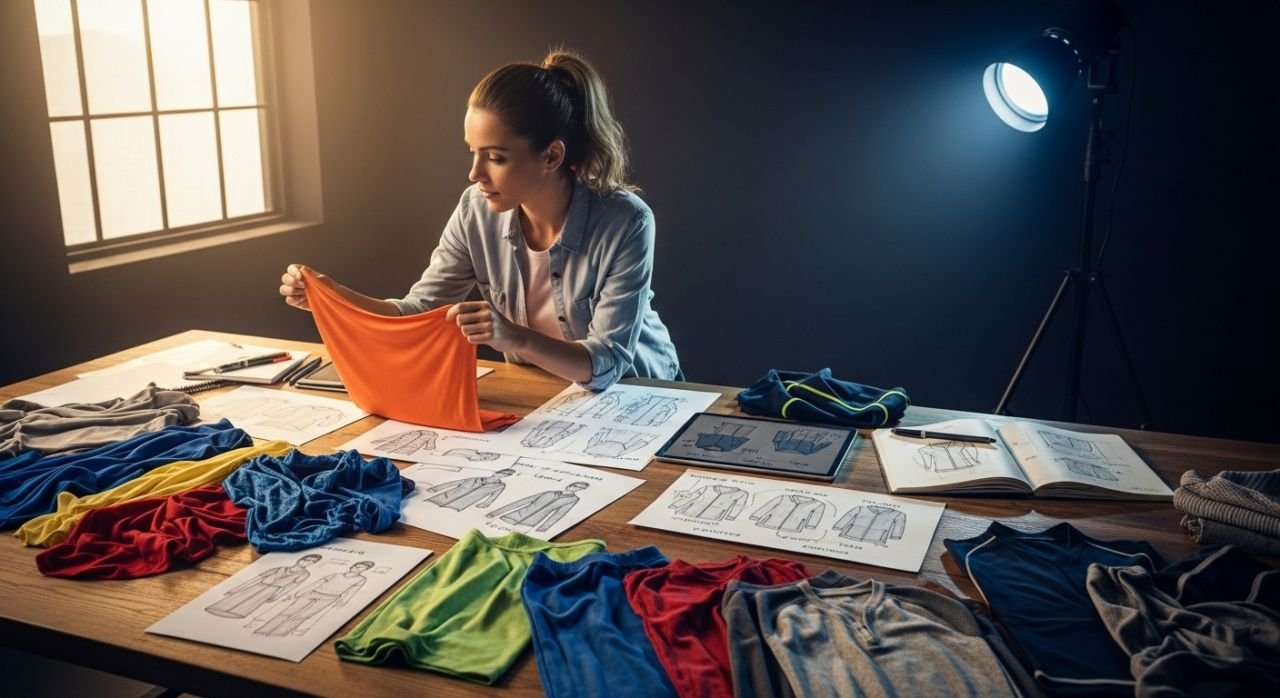
Choosing fabric for sportswear is like picking the right shoes for a race. If you pick the wrong one, you cannot perform well. The same rule applies to clothing. Every sportswear product has a purpose. Therefore, smart sportswear fabric selection starts by matching the material with how the product will be used. When brands understand this step, they create better products and happier customers.
The heart of every great collection is the high-performance sportswear fabric. It decides how the clothing feels, moves, and lasts. A good performance fabric for sportswear keeps athletes dry, comfortable, and confident. However, different sports need different features. Gym wear needs stretch. Outdoor gear needs protection. Teamwear needs durability. So, choosing the right athletic wear fabric is not guesswork. It is a smart business decision.
Let’s explore how to match fabric with product purpose.
Fabric Selection for Gym and Fitness Wear
Gym and fitness wear must move with the body. People jump, stretch, and bend. Therefore, the fabric must follow every move. That is why stretch fabric for activewear is key for gym clothing.
A good gym outfit uses breathable sportswear material. It allows air to pass through. This keeps the body cool. At the same time, moisture-wicking fabric pulls sweat away from the skin. So, the wearer stays dry during workouts.
Spandex blends are perfect for fitness leggings, yoga pants, and training tops. They offer flexibility and comfort. Polyester blends also work well because they dry fast and feel light. Together, these advanced sportswear textiles create clothing that feels like a second skin.
For brands, choosing the right fabric for gym wear means fewer customer complaints and better reviews. When fitness lovers feel free to move, they trust the brand more. Therefore, smart fabric technology in sportswear helps build long-term success.
Fabric Selection for Outdoor and Endurance Sports
Outdoor sports push the body and the fabric to the limit. Runners, hikers, and cyclists face wind, sun, and rain. Because of this, outdoor sportswear needs special protection.
The right high-performance sportswear fabric for outdoor use must handle weather changes. Some fabrics resist water. Others control body heat. Many outdoor garments use layered materials. These layers trap warmth in cold weather and release heat in warm conditions. This is called thermal control.
Nylon-based fabrics are a popular choice here. They offer strength and resistance to wear. They also provide good breathability and ventilation, which prevents overheating. Many outdoor brands also add special coatings to fabrics. These coatings block rain while still letting air pass.
Quick-dry sportswear fabric is also important for endurance athletes. Sweat dries fast. Clothes stay light. Runners feel comfortable for longer hours.
When brands choose strong and smart materials for outdoor wear, they create trust. Customers know the product will perform in tough conditions. That is why careful sportswear fabric selection is vital in this category.
Fabric Selection for Teamwear and Bulk Orders
Teamwear has different needs. Sports teams often wear uniforms. They wash them many times. They train hard. Therefore, teamwear fabrics must last long.
The best athletic wear fabric for teamwear balances durability and cost. Polyester is a top choice. It is strong. It keeps the color bright. It also works well for logo printing and sublimation designs. This makes it ideal for bulk production.
For teamwear, durable sportswear textiles are a must. Fabric should not fade quickly. It should not tear easily. It should also stay comfortable for long training sessions.
Cost-efficiency is another key point. Teams and clubs often order in bulk. So, brands need fabrics that offer quality at a fair price. Blended fabrics help achieve this balance. They mix comfort, strength, and affordability.
Choosing the right fabric for teamwear means long-lasting uniforms and happy clients. It also reduces product returns and complaints. Therefore, smart sportswear fabric sourcing plays a big role in business growth.
Why Matching Fabric with Purpose Matters
Every sportswear product tells a story. A gym leggings should stretch. A hiking jacket should protect. A football jersey should stay strong. When fabric matches purpose, performance improves.
Modern fabric technology in sportswear offers endless choices. But choosing the wrong one can hurt your brand. It can lead to discomfort, poor reviews, and lost trust. On the other hand, the right high-performance sportswear fabric builds loyalty and brand value.
That is why brands must test fabrics, understand their audience, and work with reliable manufacturers. Expert guidance helps avoid costly mistakes. It also ensures the final product meets athlete expectations.
Make Smart Fabric Choices for Stronger Brands
In the end, choosing fabric is not just about material. It is about creating an experience. A good performance fabric for sportswear keeps people active, confident, and satisfied.
Whether you design gym wear, outdoor gear, or team uniforms, the right fabric makes all the difference. With smart sportswear fabric selection, your products perform better, and your brand grows faster.
Because when athletes feel good in your clothing, they come back again and again.
Important Factors B2B Buyers Must Consider
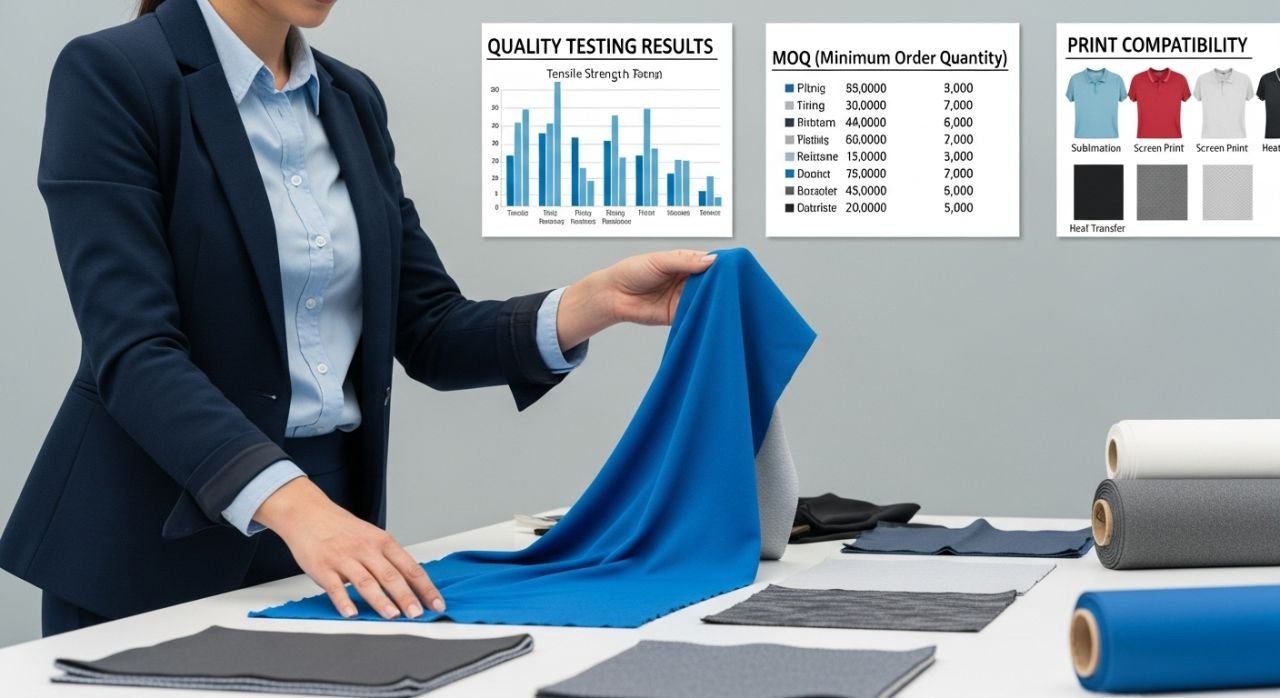
Buying sportswear fabric in bulk is a big decision. One wrong choice can lead to poor products, unhappy customers, and lost money. That is why B2B buyers must think smart and plan. When you choose the right high-performance sportswear fabric, you build strong products and a strong brand. However, picking the right material is not only about looks. It is about quality, comfort, cost, and production needs.
Modern sportswear fabric selection needs clear decision-making. Buyers must check fabric strength, feel, price, and print options. They must also think about future growth. The right performance fabric for sportswear keeps customers happy and reduces business risks. Let’s explore the key factors every B2B buyer should consider.
Quality Standards and Testing
Quality is the first step in smart buying. A good high-performance sportswear fabric must pass strong testing. It should handle sweat, stretching, and washing. It should not fade or tear quickly. That is how brands ensure durable sportswear textiles.
Before bulk production, smart buyers always ask for samples. They test the fabric for shrinkage, colorfastness, and strength. They also check how it feels on the skin. This testing avoids costly mistakes later.
Many trusted manufacturers follow international quality standards. These standards help buyers feel safe about their orders. Therefore, working with a supplier who offers fabric testing is very important. It ensures the fabric technology in sportswear meets global expectations.
When buyers focus on quality first, they protect their brand reputation. They also build long-term trust with customers.
Comfort and Skin-Friendly Properties
Sportswear touches the skin all day. So, comfort matters a lot. A great athletic wear fabric should feel soft and smooth. It should not cause itching or irritation. That is why comfort and skin-friendly properties are key in sportswear fabric selection.
Modern advanced sportswear textiles use smart fibers. These fibers allow air to pass. They also move sweat away from the body. This keeps athletes cool and dry. A moisture-wicking fabric prevents bad smells and discomfort. A breathable sportswear material keeps the body fresh during workouts.
When customers feel good in the clothing, they stay loyal to the brand. They also leave positive reviews. However, rough or heavy fabric can lead to complaints. That is why buyers must test comfort before placing bulk orders.
In simple words, soft and skin-friendly fabrics create happy customers. And happy customers grow your business.
Cost, MOQ, and Scalability
Every B2B buyer must think about the budget. A good performance fabric for sportswear should offer quality at a fair price. If fabric cost is too high, product prices increase. If the cost is too low, quality may suffer. Therefore, finding the right balance is key.
MOQ means Minimum Order Quantity. Some suppliers require large orders. Others offer flexible MOQs. Buyers must choose what fits their business size. Startups may need smaller MOQs. Big brands may prefer large-scale production.
Scalability is also important. A good supplier should grow with your brand. When your orders increase, they should handle higher volumes without losing quality. This makes sportswear fabric sourcing smooth and stress-free.
Planning cost, MOQ, and future growth together helps buyers avoid supply problems. It also keeps production steady and predictable.
Customization and Printing Compatibility
Modern sportswear is not only about fabric. It is also about design. Brands need custom colors, logos, and patterns. Therefore, fabric must support printing and decoration methods.
Sublimation printing works best on polyester-based high-performance sportswear fabric. It creates bright colors that do not fade. Embroidery needs fabric that holds stitches well. Colorfastness ensures colors stay strong after many washes.
Buyers must check if the fabric supports their design plans. Some fabrics handle heat printing better. Others work well with screen printing. Choosing the wrong fabric can ruin prints and waste money.
That is why testing printing compatibility is part of smart sportswear fabric selection. It ensures designs look perfect and last long.
Practical Decision-Making for Smart Buyers
Buying sportswear fabric is not just a purchase. It is a partnership. Smart B2B buyers ask the right questions. They test before ordering. They think about comfort, cost, quality, and design together.
Modern fabric technology in sportswear offers many choices. But only the right high-performance sportswear fabric will meet your brand goals. When you choose wisely, your products perform better, last longer, and earn trust.
In the end, smart fabric decisions lead to strong products. Strong products lead to happy customers. And happy customers help your brand grow.
Common Mistakes in Sportswear Fabric Selection
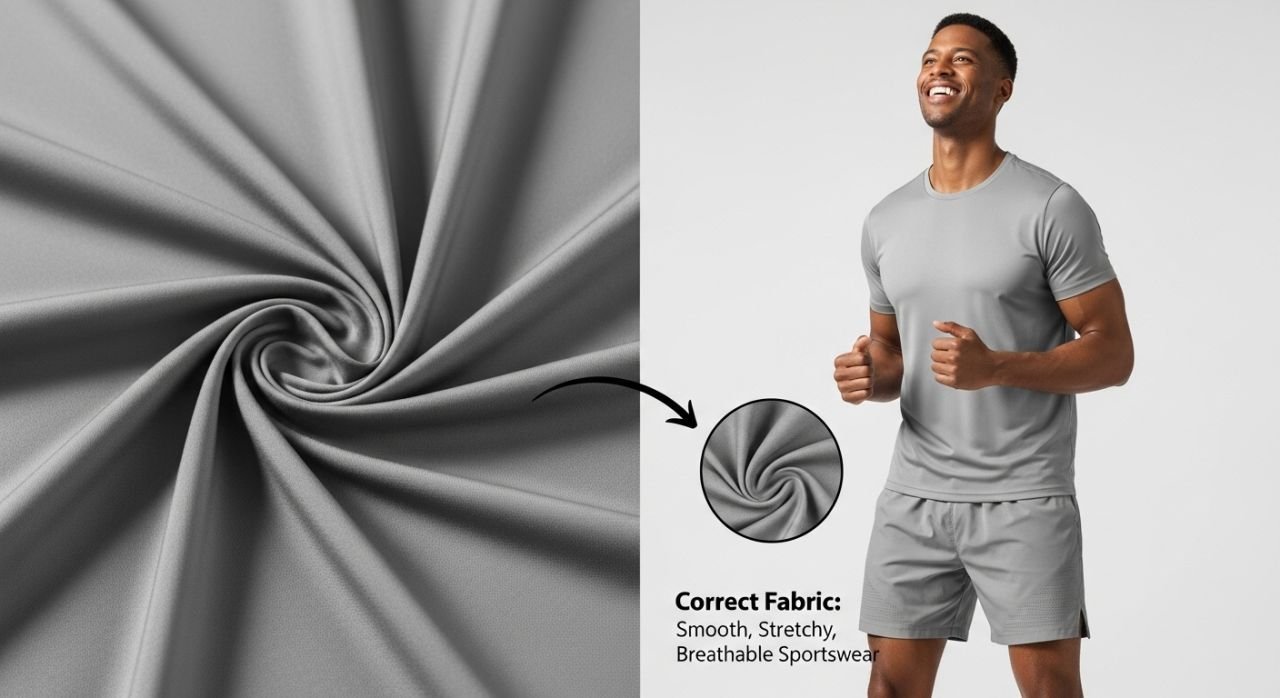
Choosing the wrong fabric can ruin even the best sportswear design. Many brands struggle with fabric mistakes that affect comfort, durability, and performance. Understanding these pitfalls helps B2B buyers make smarter decisions and ensures every product meets athlete expectations. Selecting the right high-performance sportswear fabric is key to creating clothing that performs well and lasts long.
One common mistake is picking the wrong fabric for the product type. Gym leggings need stretch. Outdoor jackets need strength and weather resistance. Using the wrong material can make the garment uncomfortable and reduce its effectiveness.
Another mistake is ignoring breathability or stretch. Sweat cannot escape if the fabric is too tight or non-breathable. Athletes feel hot and uncomfortable. On the other hand, stretch fabrics allow freedom of movement, making sportswear fabric selection more effective.
Many brands also overlook long-term durability. Some fabrics look good at first but fade, shrink, or tear after a few washes. Durable fabrics ensure clothes last longer, and customers stay happy. This is especially important for bulk orders and teamwear.
Finally, some buyers choose suppliers without sampling. Skipping samples can lead to unexpected problems in color, texture, or printing compatibility. Testing fabrics before production avoids costly mistakes and ensures consistent quality.
By avoiding these common errors, brands can select the best athletic wear fabric, improve comfort, and build loyal customers. Smart fabric choices save time, reduce returns, and create sportswear that truly performs.
Why Partnering with the Right Manufacturer Matters
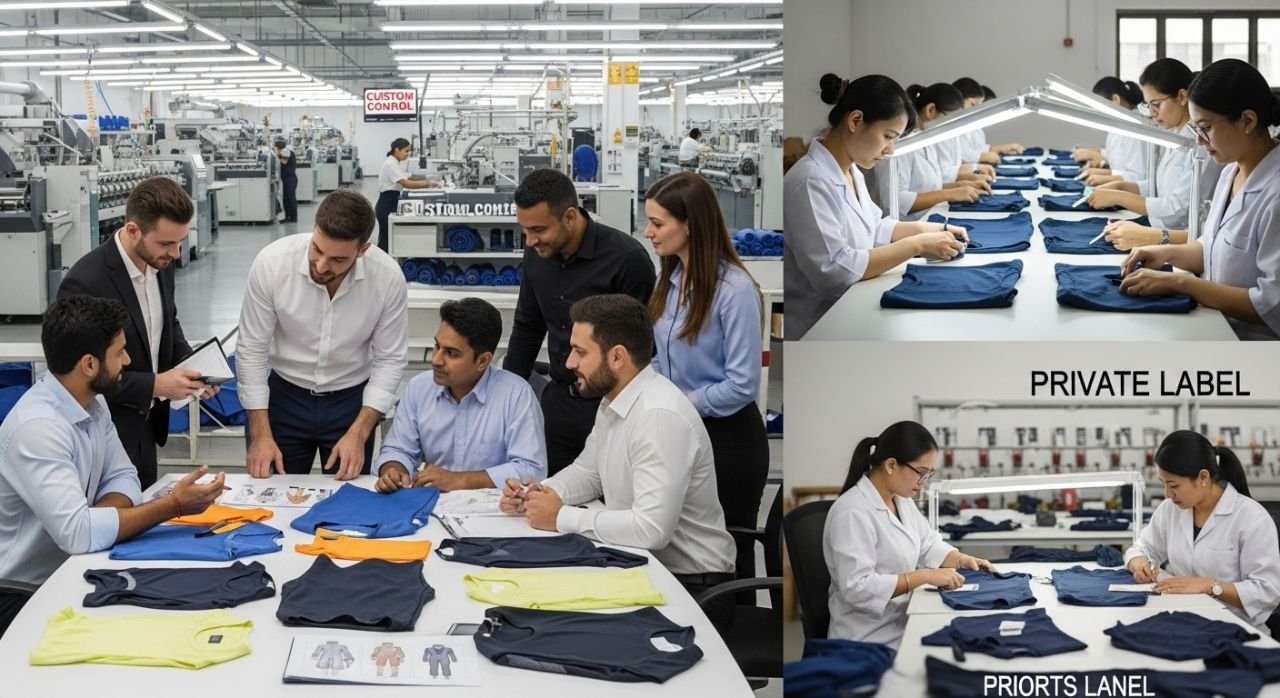
Choosing the right high-performance sportswear fabric is only half the battle. The other half is working with a reliable manufacturer. A good supplier ensures that your vision turns into high-quality sportswear products that perform well, feel comfortable, and last long. For B2B buyers, sourcing from a trustworthy sportswear fabric supplier is crucial to avoid delays, production errors, and unhappy customers.
A reliable manufacturer does more than just provide fabric. They guide you through sampling, testing, and production support. Sampling allows you to check the fabric, feel, and fit before committing to bulk orders. Testing ensures the material meets quality standards for durability, moisture management, and breathability. Production support means that every stage, from cutting to finishing, is handled professionally. This reduces risks and ensures consistent results, helping your brand stand out in a competitive market.
Working with the right manufacturer also makes scaling easier. Reliable partners can handle large orders while maintaining quality. They provide advice on fabric selection, design feasibility, and advanced fabric technology in sportswear. With proper guidance, you save time, reduce errors, and create products that meet both functional and aesthetic expectations.
How Rompvela International Supports B2B Clients
At Rompvela International, we understand that modern sportswear brands need more than just fabric. We offer custom sportswear fabric manufacturing, ensuring every product matches your brand’s needs. From gym wear to outdoor gear, we provide durable sportswear textiles designed to perform.
We also provide quality assurance and export services, guaranteeing that every order meets international standards. This gives B2B buyers confidence that their products will satisfy customers globally.
Flexibility is key in today’s market. That is why we offer flexible MOQ and private label options. Whether you are a startup or an established brand, you can order according to your needs without compromising quality. Our private label services allow you to create unique branded products that reflect your identity.
Partnering with the right manufacturer ensures your sportswear fabric selection translates into high-performance, comfortable, and long-lasting products. With expert guidance, testing, and support, your brand can grow confidently and create products that athletes love.
Choosing the right manufacturer is not just a decision. It is a strategic move that strengthens your supply chain, protects your brand reputation, and maximizes customer satisfaction.
Future Trends in High-Performance Sportswear Fabric
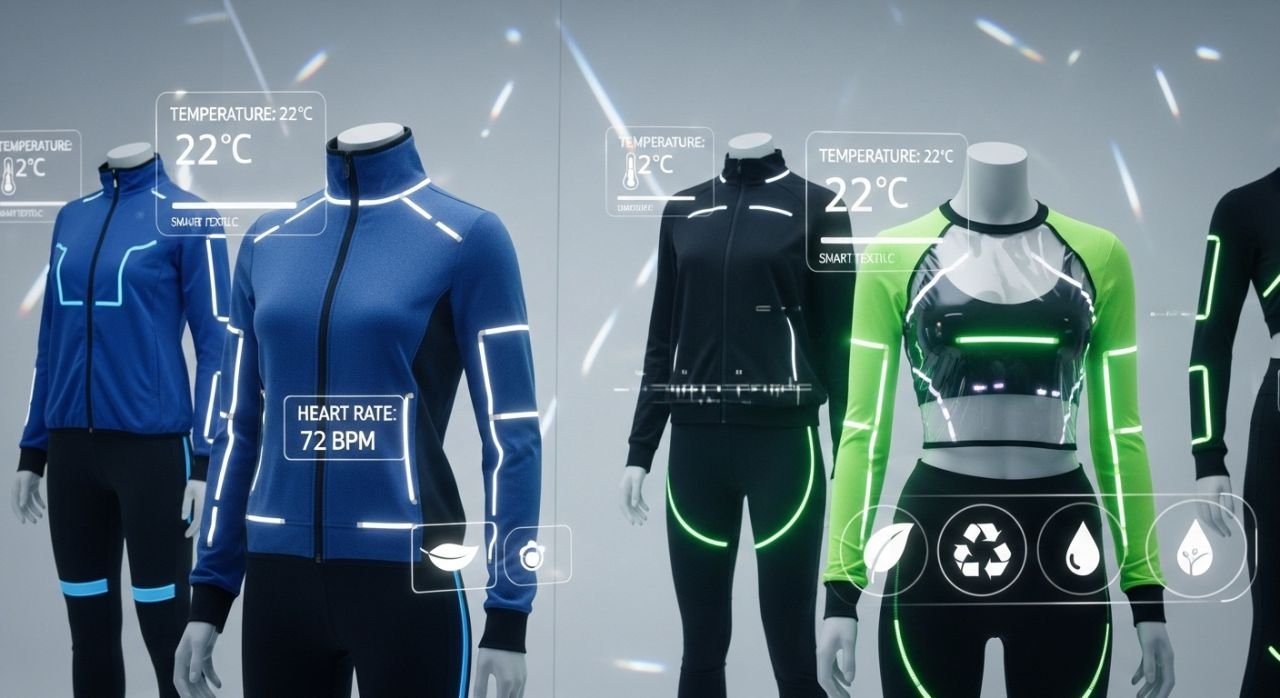
The world of sportswear is changing fast. Brands today are not just making clothes—they are creating smart, functional, and eco-friendly products. For B2B buyers, understanding the future of high-performance sportswear fabric is key to staying competitive and meeting customer expectations.
One exciting trend is smart textiles and wearable tech. These fabrics can monitor heart rate, track movement, or even adjust temperature. They combine comfort with technology, creating clothing that helps athletes perform better. As a result, modern performance fabric for sportswear is more than just soft or durable—it is interactive and intelligent.
Sustainability is another major focus. Sustainable and biodegradable fabrics are growing in demand. Recycled polyester, organic cotton blends, and bamboo fibers reduce environmental impact. These fabrics provide the same comfort and durability as traditional materials while supporting eco-conscious brands. For B2B buyers, sourcing these fabrics adds value to their products and enhances brand reputation.
Finally, advanced anti-odor and antibacterial treatments are becoming standard. These technologies prevent bacteria from building up and keep clothes fresh longer. Athletes stay comfortable even during long or intense workouts. Combining these treatments with moisture-wicking and breathable sportswear materials enhances performance and customer satisfaction.
In short, the future of high-performance sportswear fabric is smart, sustainable, and highly functional. Brands that embrace these trends can deliver products that athletes love, reduce environmental impact, and stay ahead in a competitive market. Staying informed about these innovations helps B2B buyers make smarter sportswear fabric selection decisions for the next generation of performance clothing.
Build Better Sportswear with Smart Fabric Choices
Choosing the right fabric is not hard when you know what to look for. In this guide, we learned how performance fabric for sportswear affects comfort, strength, and style. We explored moisture-wicking fabric, breathable sportswear material, and stretch fabric for activewear. We also saw how smart sportswear fabric selection helps brands create products athletes love. Most importantly, we discovered that the right high-performance sportswear fabric can boost athletic performance and protect brand reputation.
Good fabric keeps athletes dry. It feels soft on the skin. It lasts through many washes. Therefore, choosing the best athletic wear fabric is not just a design choice. It is a business decision. When you use advanced fabric technology in sportswear, your products stand out. Customers stay happy. Brands grow stronger. However, the wrong fabric can lead to complaints and lost trust. That is why fabric selection should always come first.
Now it is time to take action. Let’s Create Your Next Performance Collection together. At Rompvela International, we help brands find the perfect durable sportswear textiles for their needs. We offer custom sportswear production, private labeling, and trusted manufacturing support. Our team guides you from fabric sourcing to final production. So, you can focus on growing your brand.
If you are ready to build powerful and comfortable sportswear, we are here to help. Contact Rompvela International today for expert guidance and custom solutions. Send us your inquiry. Let’s turn your sportswear ideas into high-quality products that win markets and hearts.